



What's Happening?
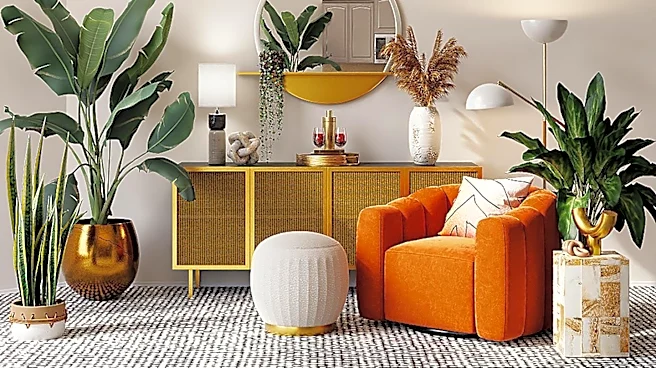
Cluttercore is gaining traction as a popular aesthetic trend, particularly among Gen Z personal finance and fashion creators. This trend is characterized by a maximalist and exaggerated approach, contrasting sharply with minimalist styles. It is often
associated with a 'messy girl' persona, embodying a vibrant yet somewhat nihilistic attitude, reminiscent of characters in Sofia Coppola films. Cluttercore is frequently grouped with other distinct aesthetics such as goblincore, TikTok de 2020, trinketcore, and whimsicraft, indicating its place within a broader movement of diverse and expressive styles. While it shares some thematic overlaps with other trends, its distinct appeal suggests it attracts a specific audience seeking low-anxiety, uncluttered content, despite its name implying the opposite. The trend emphasizes a rich, full-of-life environment, moving away from the clean, simple, and natural-looking aesthetics favored by the 'clean girl' trend.
Why It's Important?
The rise of cluttercore signifies a notable shift in aesthetic preferences, particularly among younger demographics like Gen Z. This trend challenges the long-standing dominance of minimalism, suggesting a cultural pivot towards more expressive, personalized, and perhaps less curated environments. For industries such as interior design, fashion, and social media content creation, understanding cluttercore is crucial. It indicates a demand for products and styles that embrace abundance, individuality, and a certain degree of organized chaos. Businesses that can tap into this maximalist sensibility, offering diverse and eclectic options, may find a receptive market. Conversely, brands heavily invested in minimalist aesthetics might need to adapt their strategies to remain relevant. The trend also reflects a broader societal inclination towards authenticity and self-expression, moving away from idealized, often unattainable, perfection portrayed online.
What's Next?
The continued evolution of cluttercore and its associated aesthetics will likely influence various sectors. In fashion, this could translate into more layered, eclectic, and vintage-inspired looks. For home decor, expect to see a greater emphasis on personalized collections, unique trinkets, and a less uniform approach to interior design. Social media platforms will continue to be a primary driver for the dissemination and popularization of these trends, with creators showcasing their interpretations of cluttercore. Brands and marketers will need to monitor these emerging aesthetics closely to identify opportunities for product development and targeted campaigns. The interplay between cluttercore and other niche aesthetics will also be interesting to observe, as they may either merge, diverge, or inspire new sub-trends, further diversifying the cultural landscape.
Beyond the Headlines
Beyond its surface-level appeal, cluttercore might represent a deeper cultural commentary on consumerism and mental well-being. In an era often characterized by digital perfection and curated online identities, embracing 'clutter' could be a form of rebellion against unrealistic standards. It might signal a desire for comfort, authenticity, and a rejection of the pressure to maintain an impeccably tidy image. Ethically, this trend could encourage more sustainable consumption by valuing vintage and unique items over mass-produced, disposable goods. However, it also risks promoting excessive accumulation if not approached mindfully. The psychological aspect of surrounding oneself with meaningful objects, even if numerous, can foster a sense of security and personal history, contrasting with the anxiety sometimes associated with maintaining a minimalist facade. This shift could also influence how personal spaces are perceived, moving from purely functional to deeply expressive and narrative-rich environments.