




What's Happening?
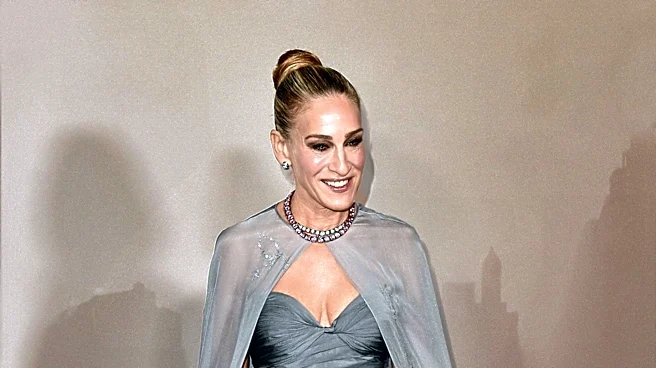
Sarah Jessica Parker, at 61, recently appeared at the New York City Ballet Fall Fashion Gala at Lincoln Center, showcasing exceptionally long hair styled in a fishtail braid adorned with pink ribbons. This appearance directly challenges the long-held
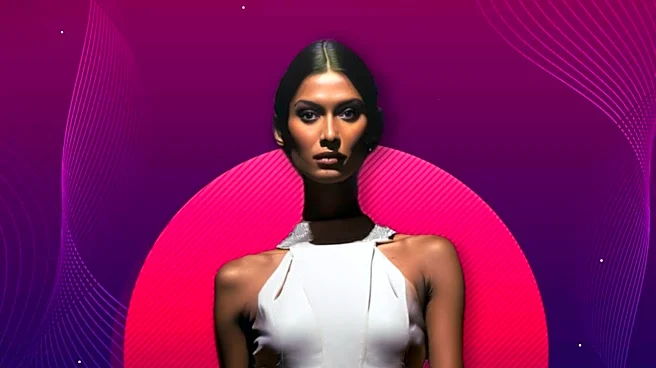
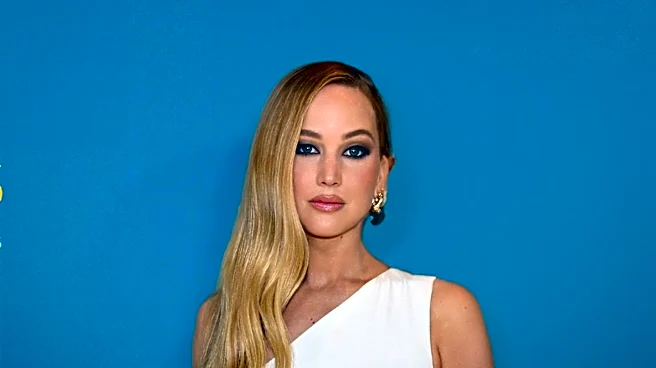
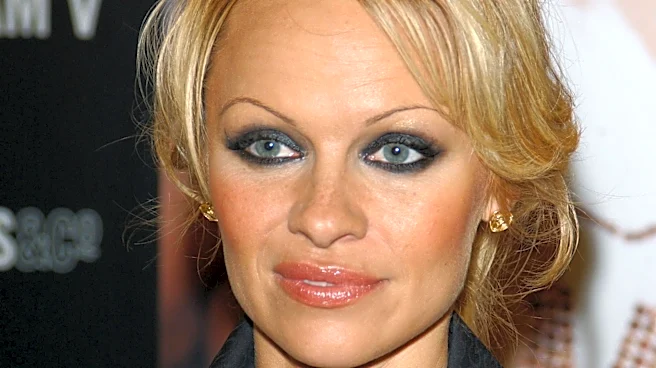
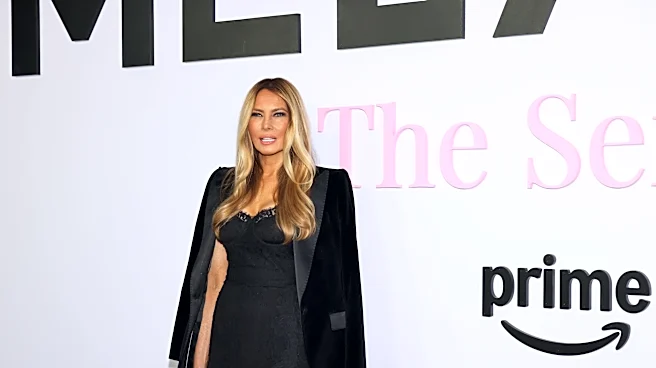
beauty advice that women over 50 should cut their hair short. Parker's choice of hairstyle, paired with a custom white tulle Simone Rocha dress, has drawn attention to the evolving perspectives on age and beauty standards. Hairstylists, including Antonio Estrada and Samantha Bentson, are increasingly advocating against the 'cut it short after 50' rule, emphasizing that youthfulness in hair comes from movement, softness, and density rather than length. Other celebrities like Monica Bellucci, 62, and Naomi Campbell, 56, have also been noted for maintaining long hair on red carpets, further demonstrating that elegant long hair is achievable at any age.
Why It's Important?
This development is significant as it contributes to a broader cultural shift in beauty standards and age perception within the U.S. and globally. The rejection of the 'cut it short after 50' rule by prominent figures like Sarah Jessica Parker empowers women to make personal choices about their appearance without being constrained by outdated societal expectations. This trend can influence the beauty industry, potentially leading to increased demand for products and services that support long hair care for older women, such as extensions, volumizing treatments, and specialized styling. It also highlights a growing movement towards age inclusivity and body positivity, encouraging individuals to embrace their natural aging process while still feeling fashionable and confident. The emphasis on hair health, shape, and volume over arbitrary age-based length restrictions promotes a more nuanced and personalized approach to beauty.
What's Next?
The continued visibility of celebrities like Sarah Jessica Parker embracing long hairstyles at older ages is likely to further normalize this trend. This could lead to more women feeling comfortable and confident in maintaining longer hair, potentially influencing fashion and beauty magazines to feature more diverse age groups and hair lengths. Hairstylists and beauty brands may adapt by offering more advice and products tailored to maintaining healthy, long hair for mature individuals. We might see an increase in discussions around ageism in beauty and fashion, prompting a re-evaluation of other age-related beauty 'rules.' The focus will likely shift from prescriptive age-based guidelines to personalized hair care and styling that prioritizes individual preferences and hair health.
Beyond the Headlines
Beyond the immediate impact on beauty trends, Parker's statement challenges deeper societal norms about aging, particularly for women. The 'cut it short after 50' rule is rooted in a subtle form of ageism, suggesting that older women should conform to a less 'youthful' aesthetic. By defying this, Parker and others are contributing to a cultural redefinition of what it means to age gracefully and stylishly. This movement encourages a more authentic expression of self, regardless of age, and can foster greater self-acceptance and confidence among older women. It also underscores the power of celebrity influence in shaping public perception and challenging entrenched stereotypes, promoting a more inclusive and diverse representation of beauty in media and everyday life.