





What's Happening?
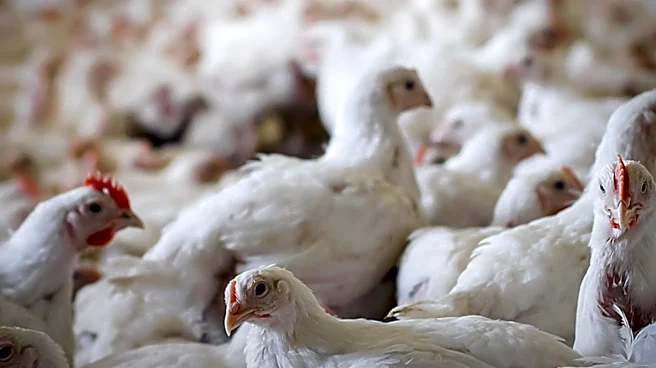
Darling Ingredients is a key player in the global poultry by-product meal market, which is projected to grow at a compound annual growth rate of 4-6% through 2035. The company is focusing on using lower-grade or specialty formulations in aquaculture feed
substitution and other industrial applications such as fertilizers and bio-based products. This market expansion is driven by the increasing use of poultry by-product meal as a cost-effective substitute for fishmeal in aquaculture, particularly in shrimp and marine fish diets. The demand for high-purity, low-ash grades in the premium pet food segment is also contributing to market growth. Darling Ingredients, along with other major companies like FASA Group and Valley Proteins, is capitalizing on these trends by offering traceable grades with stringent quality control, which command significant price premiums.
Why It's Important?
The expansion of the poultry by-product meal market has significant implications for various industries. In aquaculture, the substitution of fishmeal with poultry by-product meal can reduce feed costs and stabilize supply, benefiting shrimp and marine fish producers. The premium pet food market is also poised to gain from the availability of high-purity protein sources, catering to the growing demand for sustainable and traceable ingredients. For Darling Ingredients, this market growth represents an opportunity to enhance its revenue streams and strengthen its position in the global market. Additionally, the use of poultry by-product meal in industrial applications aligns with circular economy initiatives, promoting sustainability by converting processing residuals into valuable products.
What's Next?
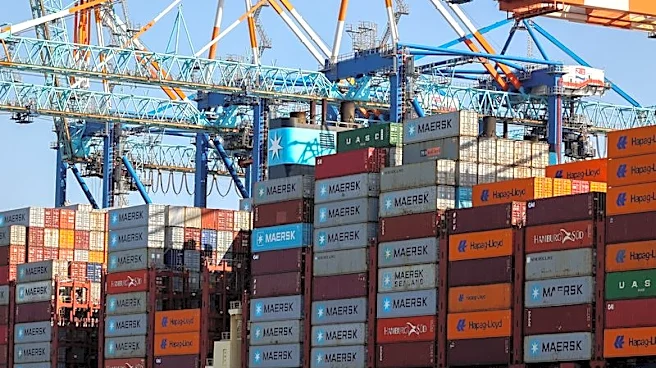
As the market for poultry by-product meal continues to grow, companies like Darling Ingredients are likely to invest in capacity expansion and technological advancements to improve product quality and meet rising demand. The focus will be on enhancing the digestibility and amino acid profile of poultry by-product meal to increase its substitution rate in aquaculture feeds. Regulatory developments, particularly in the EU and Southeast Asia, will play a crucial role in shaping trade flows and market dynamics. Companies will need to navigate these regulatory landscapes to optimize grade allocation and capitalize on emerging opportunities in pharmaceuticals, nutraceuticals, and specialty nutrition.