
What's Happening?
Studio apartment design is evolving to prioritize efficient use of limited space and the creation of distinct functional areas. Key strategies include adopting a two-tone color scheme to unify the living
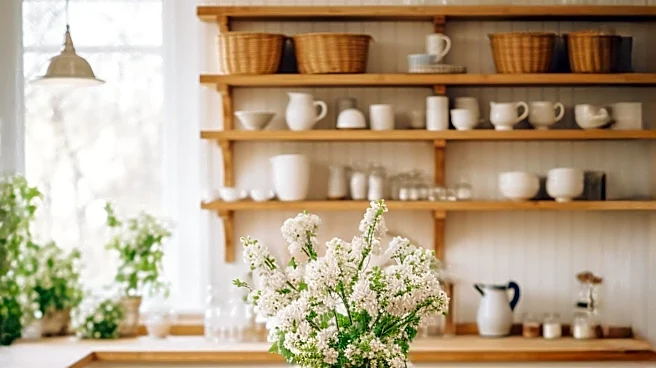
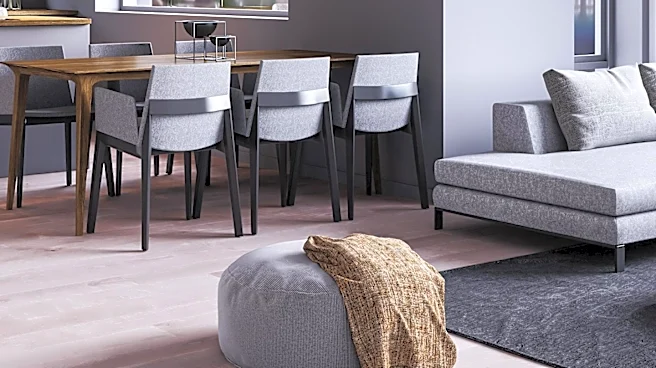
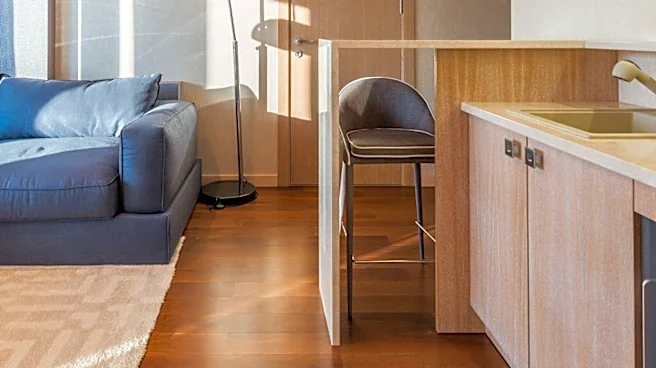
area, utilizing curtains as flexible room dividers to separate sleeping and living zones, and incorporating statement wallpaper to establish focal points. Thoughtful shelf styling is crucial to prevent clutter, transforming storage into a design feature. A clear layout plan is essential to ensure frequently used items are easily accessible and pathways remain unobstructed. Modern studio designs often feature clean lines and contemporary finishes, aiming to maximize both aesthetic appeal and practicality within compact living environments. These design principles are particularly relevant for renters, as many solutions, such as peel-and-stick wallpaper and ceiling-mounted curtain tracks, are renter-friendly and reversible.
Why It's Important?
The emphasis on maximizing space and creating functional zones in studio apartments reflects a broader trend in urban living, where smaller living spaces are becoming more common due to increasing population density and housing costs in U.S. cities. This design approach is vital for enhancing the quality of life for residents in compact dwellings, promoting productivity, and reducing stress associated with cluttered environments. For the real estate and interior design industries, these trends drive innovation in furniture design, storage solutions, and multi-functional decor. Businesses catering to urban dwellers, including furniture retailers, home goods stores, and design services, stand to gain from the demand for space-saving and aesthetically pleasing solutions. Conversely, traditional large-scale furniture manufacturers may need to adapt their offerings to cater to the specific needs of studio apartment residents. The focus on renter-friendly options also highlights the significant portion of the U.S. population living in rental properties, influencing product development and marketing strategies.
What's Next?
Future developments in studio apartment design are likely to see continued innovation in modular furniture, smart home technology integrated for space efficiency, and sustainable materials. Designers and manufacturers will probably explore more customizable and adaptable solutions that can transform spaces for different activities throughout the day. We can anticipate an increase in demand for professional organizing services and specialized interior design consultations tailored to small spaces. Additionally, the real estate market may see a rise in properties specifically marketed with these advanced space-saving and multi-functional design features. Educational resources and DIY guides on optimizing small living spaces are also expected to proliferate, empowering residents to implement these design principles themselves. The integration of virtual reality and augmented reality tools could also become more prevalent, allowing prospective tenants or homeowners to visualize and customize their studio layouts before moving in.
Beyond the Headlines
Beyond the immediate practical benefits, the evolution of studio apartment design touches upon deeper societal and cultural shifts. The embrace of smaller living spaces challenges traditional notions of home size and ownership, potentially fostering a minimalist lifestyle and reducing consumption. This shift could have environmental implications, as smaller homes generally require fewer resources to build, heat, and cool. Ethically, the design of efficient and comfortable small spaces can contribute to addressing housing affordability crises in urban centers, making city living more accessible to a wider range of income levels. Culturally, it may lead to a redefinition of personal space and community, as residents might seek more social interaction outside their compact homes. The psychological impact of well-designed small spaces, promoting mental well-being through organization and functionality, is also a significant, though often overlooked, aspect of this trend.