


What's Happening?
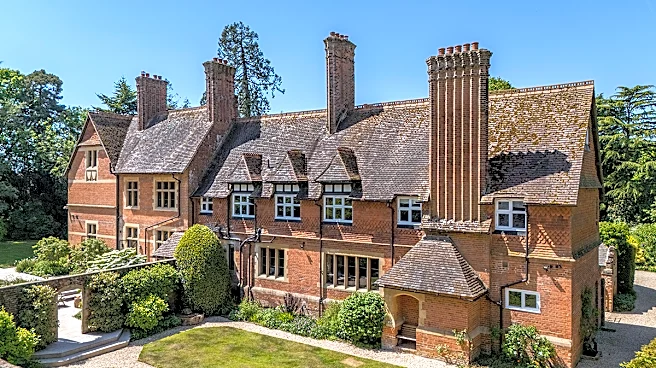
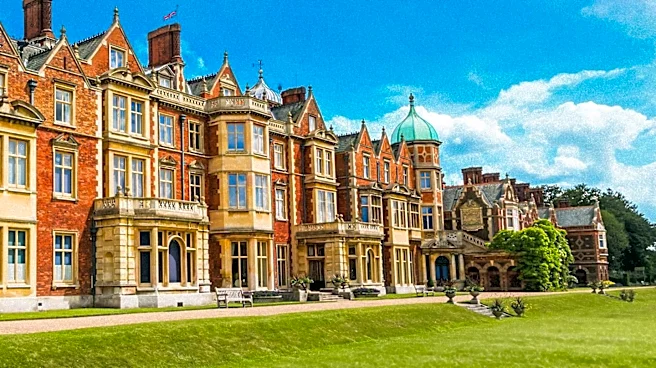
A historic English country house, Stanley Park, which has hosted both Queen Mary and former Oasis frontman Liam Gallagher, is currently on the market for $6.4 million. Located just outside Gloucestershire, the estate dates back to 1584 and was rebuilt
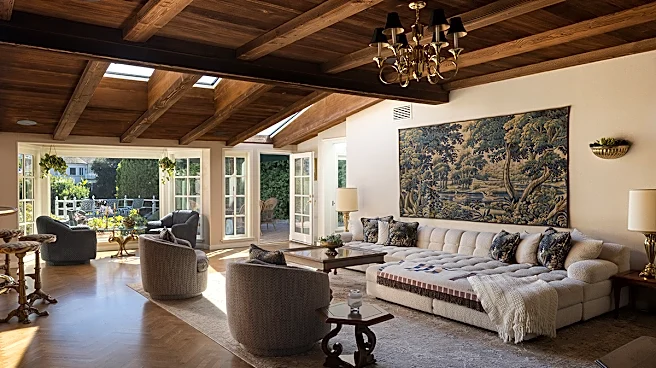
in 1850, then enlarged in 1870 for Sir Samuel Stephens Marling, the 1st Baronet of Stanley Park and Sedbury Park. The property remained in the Marling family for generations, with Queen Mary visiting in 1941. More recently, Liam Gallagher rented the estate for approximately a year. The house features 11 bedrooms across its top two floors, including a primary suite with a modern bathroom and a dressing room with a night-sky-mimicking ceiling. The lower level has been converted into a contemporary entertaining space, boasting a marble-topped circular island, a family room with a large fireplace, and a dining room with an ornate coffered ceiling. Amenities include an original wine cellar capable of storing around 4,000 bottles, a cinema with theater-like seating, a fitness area with a sauna, a billiards room, and a paneled study. The estate spans 2.5 rolling acres, surrounded by multiple terraces and extensive gardens.
Why It's Important?
The sale of Stanley Park highlights the enduring appeal and significant value of historic properties with notable past residents, even in the current real estate market. The association with both British royalty and a globally recognized rock star like Liam Gallagher adds a unique cultural cachet, potentially attracting a diverse range of high-net-worth buyers, from history enthusiasts to those seeking a luxurious retreat with celebrity ties. The property's blend of preserved original details and contemporary renovations showcases a trend in high-end real estate where historical integrity is maintained while modern comforts and amenities are integrated. This approach can serve as a model for preserving heritage while adapting properties for modern living, influencing architectural and interior design trends in the luxury sector. The extensive amenities, such as the 4,000-bottle wine cellar, cinema, and fitness area, reflect the expectations of affluent buyers for comprehensive, self-contained luxury living experiences, which can drive demand and pricing in exclusive markets.
What's Next?
The property is currently listed for $6.4 million with Adrian Beatty at DDRE Global. The next steps involve marketing the estate to potential buyers, likely targeting both domestic and international clientele interested in luxury real estate with historical significance and modern amenities. Given its unique history and features, the sale process may attract considerable media attention, further enhancing its profile. Potential buyers will likely conduct thorough inspections and due diligence, and negotiations will ensue. The successful sale of Stanley Park could set a precedent for similar historic properties in the English countryside, influencing their valuation and marketability. The new owners will face decisions regarding the future use and maintenance of the estate, balancing its historical preservation with personal preferences and potential further modernization. The property's future could involve continued private residency or potentially a conversion into a boutique hotel or event venue, depending on the buyer's vision.
Beyond the Headlines
Beyond its monetary value, Stanley Park represents a tangible link to both British aristocratic history and contemporary music culture. The fact that a property has hosted both Queen Mary and Liam Gallagher underscores the evolving nature of cultural significance and the diverse figures who shape historical narratives. This convergence of royalty and rock-and-roll in one location offers a fascinating glimpse into how different eras and social strata can intersect within a single physical space. The meticulous preservation of original architectural details alongside modern updates also raises questions about the balance between historical authenticity and contemporary functionality in heritage properties. It highlights the ongoing challenge and art of adapting historical structures to meet modern demands without sacrificing their intrinsic character. The property's extensive gardens and amenities also speak to a broader desire for privacy, luxury, and self-sufficiency, a trend that has gained prominence in recent times, particularly among high-net-worth individuals seeking exclusive retreats.