






What's Happening?
Gold and silver prices have surged following an interim deal between the US and Iran to end hostilities and reopen the Strait of Hormuz. This development has eased global inflation fears and tempered expectations for interest-rate hikes. Gold jumped as much
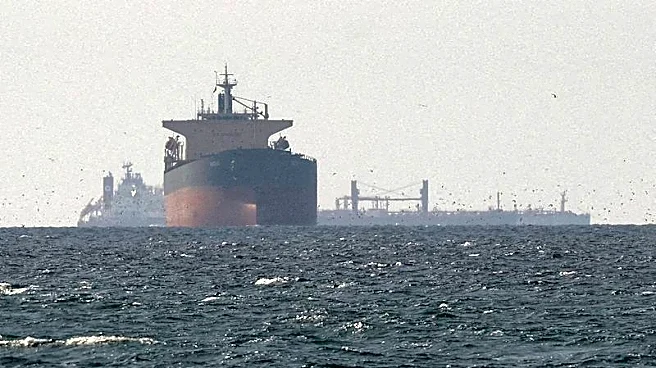
as 3.6% to nearly $4,370 an ounce, while silver rose by 4.9%. The deal, which is set to be formalized in Switzerland, has also led to a decline in oil prices. The reopening of the Strait of Hormuz is significant as it is a critical passage for global oil supply. The agreement has created a less hostile macroeconomic environment for gold, although the deal still needs to be formalized, which may lead to market volatility in the interim.
Why It's Important?
The reopening of the Strait of Hormuz is a crucial development for global energy markets, as it is a major transit route for oil. The easing of tensions between the US and Iran could lead to a stabilization of oil prices, which have been volatile due to geopolitical tensions. For the gold market, the reduction in inflation fears and interest rate hike expectations could support higher prices, as gold is often seen as a hedge against inflation. The deal also has broader implications for international relations and economic stability, as it may lead to improved diplomatic relations and reduced geopolitical risks.
What's Next?
The formalization of the deal in Switzerland will be a key event to watch, as it will determine the next steps in US-Iran relations and the reopening of the Strait of Hormuz. Traders and investors will be closely monitoring the situation for any signs of complications or delays, which could lead to increased volatility in gold and oil markets. Additionally, central bank decisions and economic data releases in the coming days will be important for assessing the impact on interest rate expectations and inflation outlooks. The G7 summit and other diplomatic meetings may also influence market dynamics and geopolitical developments.