




What's Happening?
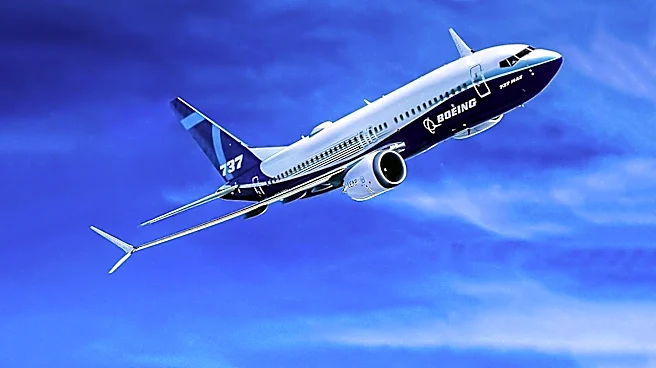
Boeing announced that it will miss its 737 production and delivery targets for 2026, a development that contributed to a larger-than-expected third-quarter loss. The company's shares experienced their worst day in over 18 months, falling 10.7% and closing
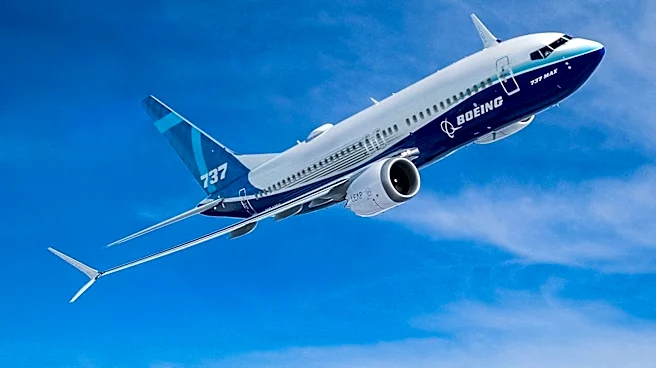
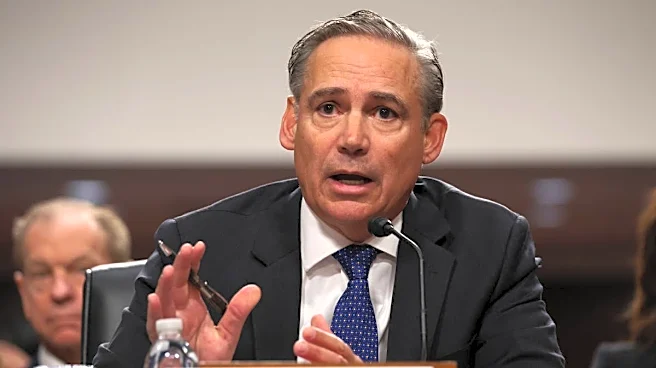
at $168.07, the lowest level since April 2025, according to Reuters. Boeing reported a net loss of $116 million, or 26 cents per share, for the three months ending September 30. Excluding certain costs, the core loss was 34 cents per share, exceeding analysts' expectations of a 21-cent loss. Revenue for the quarter increased by 4% year-over-year to $24.19 billion. CEO Kelly Ortberg stated that the 737 program is still working towards a steady production rate of 47 planes per month, with Reuters reporting that this target is now expected to be reached in early 2027. Ortberg attributed the slowdown primarily to the pace of wing production. Despite these challenges, Boeing delivered 161 commercial airplanes in the quarter, one more than the previous year.
Why It's Important?
This announcement is significant for the aerospace industry and the broader U.S. economy, as Boeing is a major American manufacturer and exporter. The missed production and delivery targets directly impact airlines, which rely on timely aircraft deliveries to expand their fleets and meet growing travel demand. Since airlines typically pay the majority of a plane's price upon delivery, delays also affect Boeing's cash flow and financial performance. The reported third-quarter loss and the subsequent stock tumble reflect investor concerns about the company's ability to stabilize production and meet its commitments, especially following previous production and quality-control issues. A sustained slowdown in 737 production could lead to higher costs for airlines, potentially affecting ticket prices and travel options for consumers. Furthermore, Boeing's performance has ripple effects across its extensive supply chain, impacting numerous U.S. businesses and their employees.
What's Next?
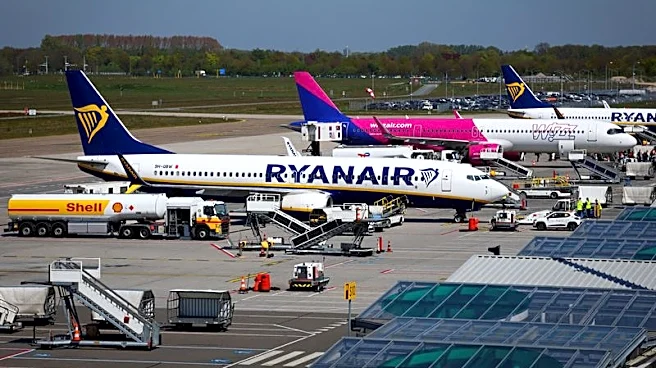
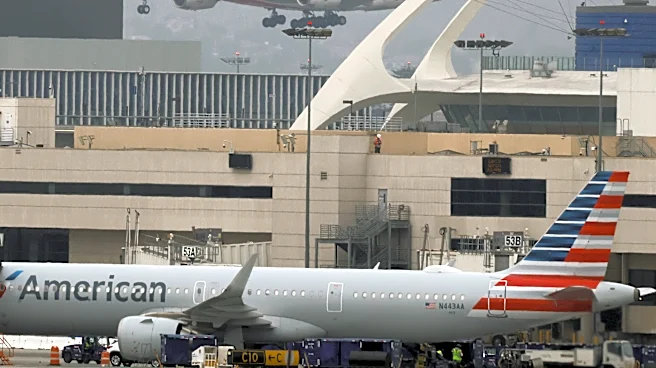
Boeing's immediate focus will be on stabilizing the 737 production rate at 47 aircraft per month, a goal now anticipated for early 2027. CEO Kelly Ortberg also indicated that the company aims for a production rate of 52 planes per month in the second half of 2027. The company will need to address the identified bottlenecks, particularly in wing production, to achieve these targets. The Federal Aviation Administration (FAA) recently certified the 737-7 and 737-10 models, which could help clear the path for future deliveries once production issues are resolved. Airlines like Southwest, which is slated to receive its first 737 MAX 7 in December, and other major customers such as United Airlines, Delta Air Lines, Alaska Airlines, American Airlines, and Ryanair, will be closely monitoring Boeing's progress. The company's ability to improve its production efficiency and meet delivery schedules will be crucial for regaining investor confidence and fulfilling its record $745 billion backlog.
Beyond the Headlines
The ongoing production challenges at Boeing highlight deeper systemic issues within the aerospace manufacturing sector, including supply chain vulnerabilities and the complexities of scaling up production while maintaining stringent quality controls. The company's emphasis on 'doing it right' rather than 'going faster' suggests a cautious approach, likely influenced by past incidents and increased regulatory scrutiny. This prioritization of quality over speed, while necessary for safety and long-term reputation, can have short-term financial implications and impact customer relationships. The shift of 737 production to the new Everett North Line, the first time a 737 has been built outside Renton in over 50 years, signifies a strategic move to increase capacity and flexibility. However, the need for FAA approval for these new production operations and the modifications required for already-built aircraft underscore the intricate regulatory environment and the challenges of introducing new manufacturing processes in a highly regulated industry.