


What's Happening?
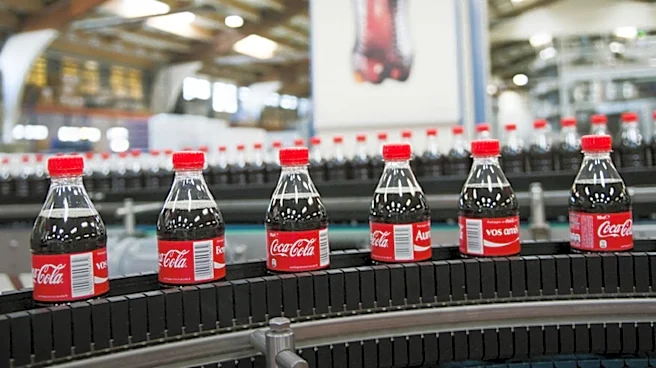
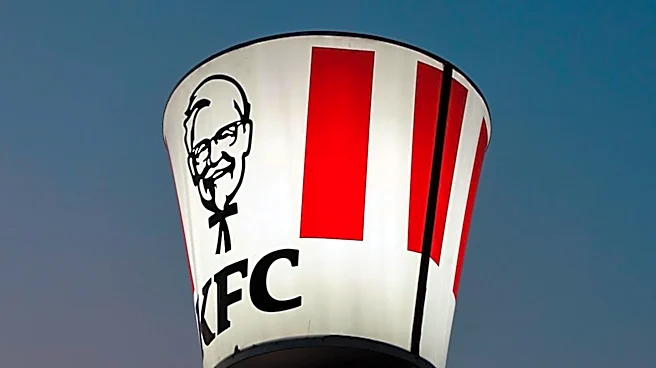
KFC's U.S. restaurants are set to transition their beverage supplier from PepsiCo to Coca-Cola, marking the end of a nearly 40-year partnership. The change will begin in January 2027, with Coca-Cola expected to supply over 3,600 KFC locations across the U.S. by
spring. This strategic move is part of KFC's broader initiative to revitalize its U.S. sales and refresh its offerings to meet evolving consumer preferences. While the change impacts KFC's U.S. operations, PepsiCo will continue to supply the fried chicken chain in international markets. This shift represents a significant commercial victory for Coca-Cola in its long-standing rivalry with PepsiCo. Bank of America estimates that this account could cost PepsiCo approximately $500 million in annual concentrate sales, which accounts for about 3% of Pepsi Beverages North America's concentrate sales.
Why It's Important?
This supplier change underscores the intense competition between Coca-Cola and PepsiCo for 'pouring rights' in the U.S. foodservice market. These agreements are crucial for both restaurant operators and beverage suppliers, extending beyond just product sales. For restaurants, beverage sales, particularly sodas, are highly profitable and can be essential for operational viability. Suppliers offer financial incentives, rebates, price protection, and investments in dispensing equipment, maintenance, and marketing support. For beverage companies, these partnerships enhance brand visibility, encourage product trials, and build consumer loyalty outside of the foodservice channel. The loss of KFC's U.S. business is a notable blow to PepsiCo, highlighting the dynamic nature of these long-term contracts, where even decades-long relationships are not guaranteed. The move also reflects KFC's commitment to adapting its menu and offerings to attract and retain customers in a competitive market.
What's Next?
The transition will unfold starting in January 2027, with Coca-Cola gradually replacing PepsiCo products in KFC's U.S. restaurants. Both Coca-Cola and PepsiCo will continue to fiercely compete for other major restaurant partnerships, with innovation in beverage offerings becoming increasingly critical. As consumer preferences shift away from traditional sodas towards functional drinks, energy drinks, and other categories, beverage suppliers will need to offer diverse portfolios. Tim Harms, CEO of beverage consultancy Enliven, suggests that future agreements will be less about traditional cola brands and more about a supplier's ability to provide a wide range of products across different categories. This will likely lead to increased investment in research and development for new beverage types and more flexible partnership models to cater to evolving demands.
Beyond the Headlines
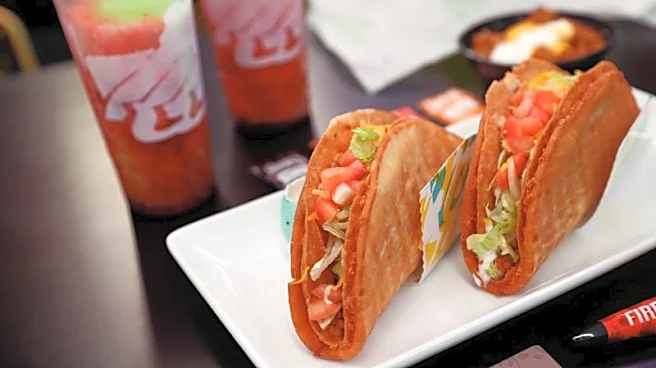
The KFC deal highlights a deeper trend in the food and beverage industry: the evolving landscape of consumer preferences and the strategic responses of major players. Consumers are increasingly seeking variety, health-conscious options, and functional benefits from their beverages, pushing companies like Coca-Cola and PepsiCo to diversify their product lines beyond their flagship colas. PepsiCo's strategy of integrating its snack brands, such as Doritos-branded tacos with Taco Bell, showcases an innovative approach to leveraging its broader portfolio for partnership deals. Conversely, Coca-Cola's win with KFC demonstrates its continued strength in securing major foodservice accounts. This ongoing rivalry drives innovation, competitive pricing, and enhanced service offerings, ultimately benefiting consumers with more choices and potentially better experiences. The shift also signals that brand loyalty, while still important, is increasingly being challenged by strategic business decisions focused on market trends and operational efficiencies.