




What's Happening?
Mao Yuankai, the president of Tibet Summit Resources, a Shanghai-listed mining company, has purchased a luxury residence in Hong Kong for HKD220 million (approximately US$28 million). This transaction reflects a 27% decrease from the property's original
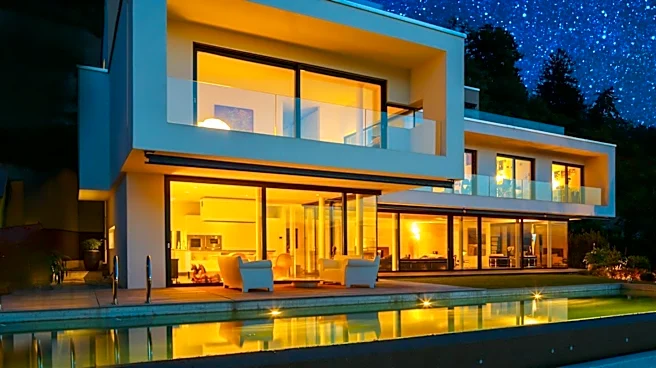
value, highlighting the ongoing distress in Hong Kong's commercial property market. The property, located at 33 Tung Tau Wan Road, features a three-story detached house with a swimming pool, garden, and multiple parking spaces. Originally purchased for HKD300 million in 2011 by a company linked to veteran investor Lai Wing-to, the property entered receivership last year and was initially listed at HKD345 million. The sale underscores the challenges faced by long-established investors who have traditionally used luxury homes as collateral against broader borrowing. The return of mainland buyers, following the removal of residential cooling measures in 2024, has expanded the pool of prospective purchasers, as banks seek to offload distressed assets.
Why It's Important?
The acquisition of this luxury property by a Chinese mining executive signifies a broader trend of distress in Hong Kong's property market, which is now affecting the residential sector. This development is crucial as it indicates a shift in the market dynamics, where long-standing investors are compelled to sell assets at a loss due to financial difficulties. The involvement of mainland buyers, facilitated by the lifting of cooling measures, suggests a potential recovery or stabilization in the market, driven by cash-rich, opportunistic buyers. This trend could have significant implications for the real estate market in Hong Kong, affecting property values and investment strategies. Additionally, it highlights the interconnectedness of global markets, as Chinese firms expand their overseas footprint in pursuit of resources for electric vehicles and renewable energy technologies.
What's Next?
As the market continues to adjust, it is likely that more distressed properties will be sold at reduced prices, potentially attracting further interest from mainland buyers and international investors. This could lead to a gradual stabilization of the market, although the long-term impact on property values remains uncertain. Financial institutions may continue to reassess their strategies, potentially leading to more conservative lending practices. The broader economic implications for Hong Kong's real estate sector will depend on the balance between distressed asset sales and new investments, as well as the overall economic climate in the region.
Beyond the Headlines
The sale of this luxury property also raises questions about the sustainability of Hong Kong's real estate market, particularly in the face of economic shifts and environmental challenges. As climate change impacts become more pronounced, with extreme weather events affecting the region, the resilience of the property market may be tested further. Additionally, the ethical considerations of property investments and the role of international buyers in local markets could become more prominent in public discourse, influencing future regulatory and policy decisions.