





What's Happening?
A 2026 guide from Linkind highlights a significant shift in bedroom lighting trends, moving away from single, bright overhead fixtures towards a layered approach that prioritizes mood and a cinematic aesthetic. The concept of the 'big light' is being
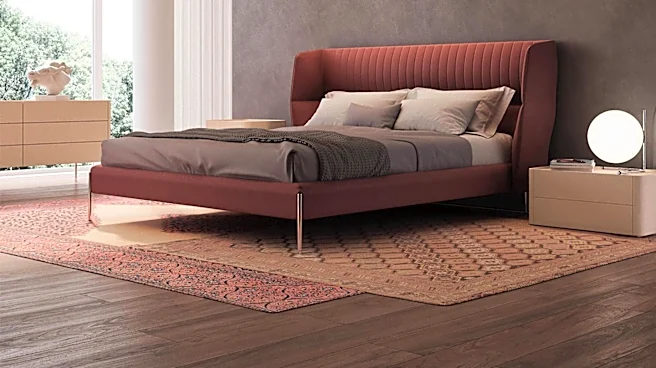
rejected in favor of soft, indirect illumination. The optimal bedroom lighting now involves a combination of ambient, task, and accent lights. Ambient lighting provides a base layer of visibility, often through modern pendants or recessed cans. Task lighting offers focused illumination for activities like reading, typically using bedside table lamps or swing-arm wall sconces. Accent lighting serves a decorative purpose, highlighting artwork or architectural features with smart light sticks or low-wattage lamps. A crucial element of this trend is the use of adjustable fixtures and modern smart controls to create customizable atmospheres, allowing for bright spaces when needed and dim glows for relaxation. The guide also emphasizes the importance of color temperature, recommending 2700K to 3000K for bedroom environments to support healthy sleep cycles.
Why It's Important?
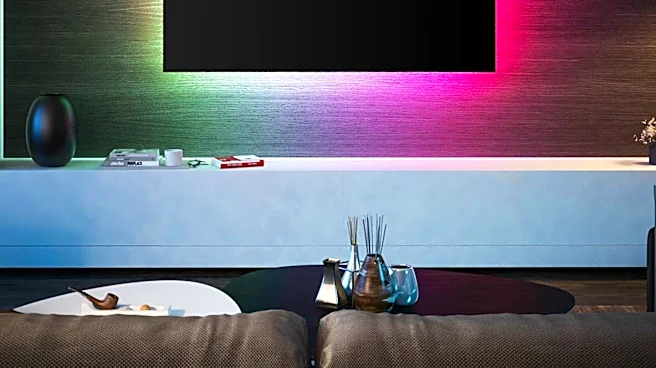
This evolution in bedroom lighting design holds significant implications for U.S. consumers, the home decor industry, and health and wellness. For consumers, adopting layered and mood-centric lighting can transform bedrooms into more comfortable and personalized sanctuaries, potentially improving sleep quality and overall well-being. The emphasis on specific color temperatures (2700K-3000K) for bedrooms aligns with scientific understanding of circadian rhythms, suggesting a growing consumer awareness of how lighting impacts health. For the lighting and home decor industries, this trend drives demand for a wider variety of fixtures, smart lighting solutions, and dimmable bulbs. Manufacturers of LED strips, smart bulbs, and home automation systems stand to benefit from this shift. The 'Anti-Overhead Movement' and the popularity of hidden lighting sources like backlit headboards indicate a move towards more sophisticated and integrated design solutions, encouraging innovation in product development and interior design services.
What's Next?
The trajectory of bedroom lighting in the U.S. suggests continued innovation in smart home technology and design integration. We can anticipate further development of user-friendly smart lighting systems that offer seamless control over multiple light sources, color temperatures, and dimming levels. The market will likely see an increase in aesthetically pleasing and discreet lighting fixtures, such as minimalist pendants, plug-in wall sconces, and vertical light bars, catering to both homeowners and renters. Educational efforts from lighting companies and interior designers will probably continue to promote the benefits of layered lighting for both aesthetics and health. As consumers become more health-conscious, the demand for lighting solutions that support sleep and well-being will likely grow, influencing product features and marketing strategies. The integration of Matter technology, allowing local control without Wi-Fi, points towards a future of more reliable and accessible smart lighting solutions.
Beyond the Headlines
Beyond the immediate design and product implications, the shift in bedroom lighting reflects a broader societal trend towards creating more intentional and personalized living spaces. The rejection of harsh, uniform lighting in favor of soft, layered illumination speaks to a desire for environments that actively contribute to relaxation and mental well-being in an increasingly fast-paced world. This trend also highlights the growing influence of social media platforms in shaping interior design preferences, as users share and adopt new aesthetic concepts like the 'cinematic aesthetic.' Furthermore, the focus on specific color temperatures for health benefits underscores a deeper integration of scientific understanding into everyday living, moving beyond mere aesthetics to consider the physiological impacts of home environments. This signifies a maturation of home design, where functionality, beauty, and well-being are increasingly intertwined.