







What's Happening?
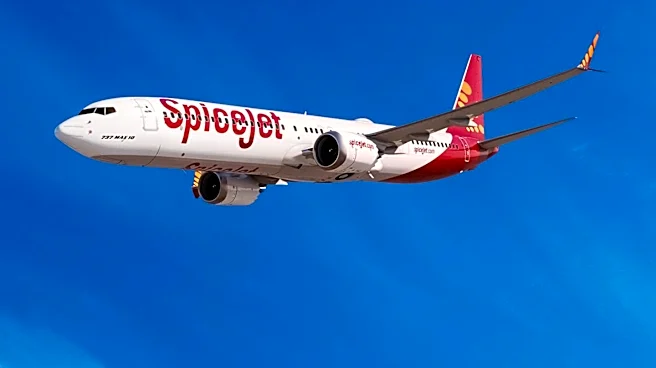
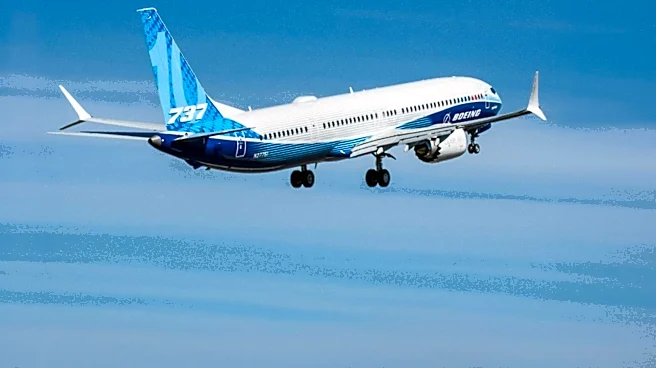
The Federal Aviation Administration (FAA) has delayed the certification of Boeing's 737 MAX 10, the largest variant of the 737, following the discovery of a new software issue. This glitch, identified after a cockpit software update, can disable an automated
navigation function during a landing after a missed approach. In certain scenarios, this issue could force pilots to fly manually at low altitudes without some autopilot functions. The problem also affects the 737 MAX 7 and an unspecified number of in-service jets. Boeing notified airlines of the defect in late August, and the FAA is currently reviewing the situation to determine if the software concern constitutes a safety of flight issue. The FAA Administrator has stated that certification will be withheld until the agency is fully satisfied that the issue is resolved.
Why It's Important?
This delay in certification for the 737 MAX 10 is a significant setback for Boeing, which has been working to restore confidence and production following previous issues with its MAX fleet. The company's stock dropped 3% after the news, extending an 11% year-to-date slide, indicating investor concern. While the issue is software-related, potentially allowing for a quicker resolution through a code update, any requirement beyond a simple patch could impact Boeing's delivery timeline and the credibility of its recovery efforts. The aerospace sector, particularly suppliers like GE Aerospace (which builds the LEAP engines for the MAX), has seen only minor impacts, suggesting the selloff is largely company-specific. However, a prolonged delay could strain Boeing's ability to fulfill its substantial $715 billion backlog of over 6,200 commercial aircraft, affecting its financial performance and market position.
What's Next?
The immediate next step involves the U.S. regulatory review by the FAA to clarify the scope of the required fix. Boeing is developing a software update to address the problem, and the company's ability to maintain its target of certifying the 737-7 and 737-10 in 2026, with first deliveries in 2027, hinges on regulators accepting this software patch as a sufficient remedy. If the review expands to demand broader remedies beyond a software update, it could further test Boeing's delivery schedule and recovery efforts. Investors are advised to maintain modest position sizes until regulators provide clarity on the fix. Additionally, Boeing faces ongoing labor negotiations, with a ratification vote open for the union representing its Puget Sound engineering and technical employees, adding another layer of uncertainty as the current contract expires in early October.
Beyond the Headlines
The recurring software and safety concerns with Boeing's 737 MAX series highlight deeper systemic challenges within the company and the regulatory oversight process. This latest glitch, even if resolvable by a software update, contributes to a narrative of persistent quality control and design issues that have plagued Boeing. The FAA's cautious approach underscores a heightened regulatory scrutiny following past incidents, emphasizing safety over production timelines. This situation could lead to more stringent certification processes across the aerospace industry, potentially increasing development costs and timelines for new aircraft. For the flying public, these ongoing issues can erode trust in air travel safety, even as regulators and manufacturers work to address them. The long-term implications could include a re-evaluation of the balance between rapid innovation and rigorous safety protocols in aircraft manufacturing.