







What's Happening?
Actor Jesse Eisenberg has expressed his views on the use of artificial intelligence in the film industry, particularly in light of A24's partnership with Google DeepMind. In a recent interview, Eisenberg described his latest film, 'The Debut,' as 'the
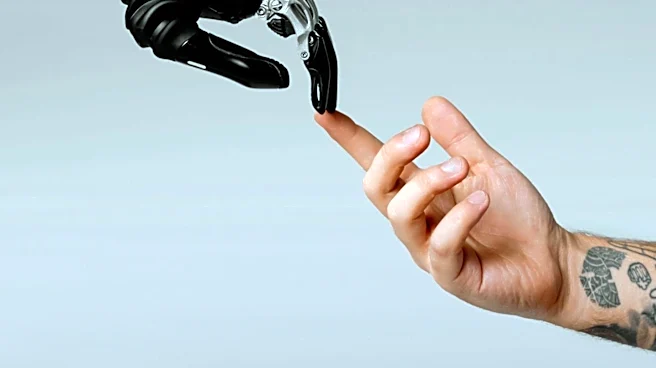
opposite of AI,' highlighting a growing concern within the creative industry about the role of AI in filmmaking. The partnership between A24 and Google DeepMind has sparked discussions about the implications of AI on artistic identity and audience trust. While the technical aspects of the partnership are not deeply explored, the cultural impact is significant, as it raises questions about the boundaries of AI in creative processes. Eisenberg's comments reflect a broader sentiment among artists who are wary of AI's influence on their craft.
Why It's Important?
The integration of AI into the film industry represents a significant shift in how movies are produced and consumed. As AI technologies become more prevalent, they challenge traditional notions of authorship and creativity. Eisenberg's critique underscores the tension between technological advancement and artistic integrity. For the film industry, this partnership could redefine production workflows, potentially reducing costs and increasing efficiency. However, it also poses risks to the authenticity of artistic expression, as AI-generated content may lack the personal touch that audiences value. The debate highlights the need for clear guidelines on AI's role in creative industries to ensure that technology enhances rather than diminishes artistic endeavors.
What's Next?
As the film industry continues to explore AI's potential, stakeholders will likely engage in discussions to establish ethical guidelines and best practices. These conversations will focus on maintaining a balance between innovation and preserving the human element in storytelling. Industry leaders, including filmmakers, producers, and technology companies, will need to collaborate to address concerns about data usage, authorship rights, and the impact of AI on employment within the industry. The outcome of these discussions could shape the future of filmmaking, influencing how stories are told and who gets to tell them.