








What's Happening?
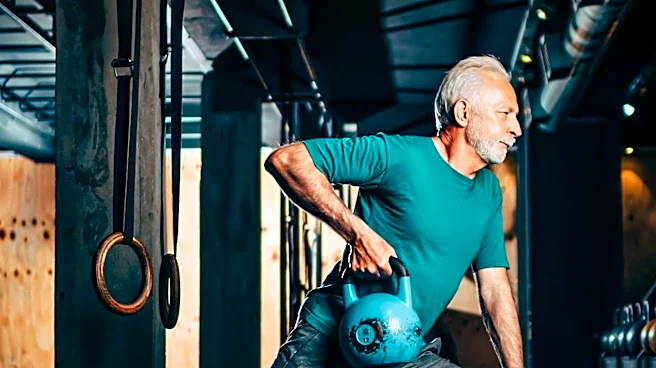
Recent discussions in fitness circles emphasize the benefits of walking and lower-intensity exercises over high-intensity interval training (HIIT). While HIIT is often associated with intense physical exertion and rapid results, experts are highlighting
the importance of activities like walking for long-term health and fitness. Walking is noted for its ability to support cardiovascular health, improve body composition, and aid in recovery between more strenuous workouts. Additionally, practices such as mobility work and Pilates are recognized for enhancing strength, posture, and movement quality. This shift in focus suggests that fitness is not solely about intensity but also about recovery, movement quality, and consistency over time.
Why It's Important?
The growing recognition of walking and similar low-intensity exercises underscores a broader understanding of fitness that prioritizes sustainable health benefits over short-term gains. This perspective is crucial as it encourages a more inclusive approach to fitness, accessible to a wider range of individuals, including those who may be unable to engage in high-intensity workouts due to age, physical limitations, or personal preference. By promoting activities that enhance recovery and overall well-being, this approach could lead to improved public health outcomes, reduced injury rates, and a more balanced lifestyle. It also aligns with the increasing focus on mental health, as lower-intensity exercises are often associated with stress reduction and improved mental clarity.
What's Next?
As the fitness industry continues to evolve, it is likely that more programs and resources will be developed to support low-intensity exercise regimens. Fitness professionals may increasingly incorporate walking, mobility exercises, and Pilates into their training offerings, catering to a broader audience. Additionally, public health campaigns might emphasize the importance of these activities, encouraging individuals to integrate them into their daily routines. This shift could also influence the design of fitness facilities and the development of wearable technology that tracks and promotes recovery-focused activities.