






What's Happening?
A federal judge in Roanoke, Virginia, has denied a request from seven Virginia business owners to overturn a new state regulation that removes an exception to the 2-milligram limit of tetrahydrocannabinol (THC) per product package. The new standard, which
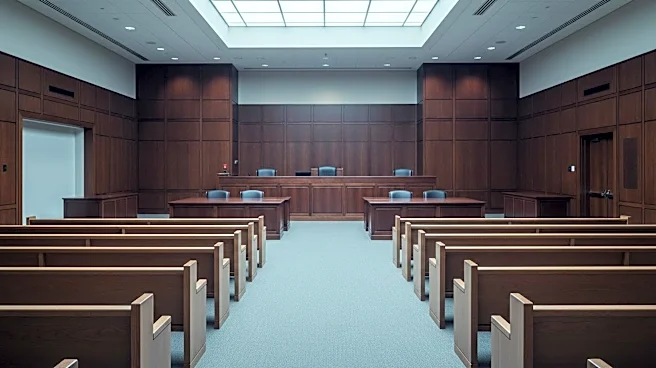
took effect on August 15, eliminates a previous rule that allowed hemp products to exceed the 2 mg THC limit if they contained 25 times as much cannabidiol (CBD). The entrepreneurs had sought a temporary restraining order and preliminary injunction from the U.S. District Court for the Western District of Virginia, arguing that the change would severely harm their businesses. However, Judge Robert S. Ballou ruled on August 14 that the plaintiffs failed to demonstrate a likelihood of success on the merits or irreparable injury, concluding that the new rule was in the public's best interest. This decision means the stricter THC limit will remain in place, impacting the sale and production of hemp-derived products in the state.
Why It's Important?
This ruling carries significant implications for Virginia's hemp industry and its consumers. The denial of the injunction means that many hemp businesses, which had relied on the 25-to-1 CBD to THC ratio to sell products with higher THC content, will now face substantial operational and financial challenges. Industry representatives have expressed concerns about potential bankruptcies and a reduction in consumer access to certain hemp products. The judge's decision underscores the state's intent to regulate the hemp market more strictly, aligning with broader efforts to address what some officials describe as a loophole in state law that led to the proliferation of 'untested and highly-intoxicating products.' This move could also set a precedent for other states considering similar regulatory adjustments to their hemp and cannabis markets, highlighting a growing trend towards tighter controls on THC content in non-recreational cannabis products.
What's Next?
Following the federal judge's decision, hemp industry representatives in Virginia are calling for a special legislative session to address the new THC limit. They are urging lawmakers to reconsider the regulation, arguing that it will create a gap in consumer access and threaten the viability of numerous small businesses. Additionally, they are requesting that the Virginia Cannabis Control Authority, the Office of the Attorney General, and local law enforcement consider pausing enforcement of the new definition until legislative solutions can be explored. The state's adult-use cannabis market, which is slated to open next year, is expected to streamline the industries and create new opportunities, but the immediate future for many hemp businesses remains uncertain as they navigate the stricter regulatory environment. The response from state officials and the potential for legislative action will be crucial in determining the long-term impact on Virginia's hemp sector.
Beyond the Headlines
The federal judge's decision in Virginia highlights a complex and evolving legal landscape surrounding hemp and cannabis products in the United States. The debate over THC limits in hemp-derived products often involves balancing economic interests, public health concerns, and the intent of federal and state legislation. While the 2018 Farm Bill federally legalized hemp, defining it as cannabis with less than 0.3% Delta-9 THC, states retain significant authority to regulate these products. This case exemplifies the tension between the burgeoning hemp industry, which seeks to innovate and expand its product offerings, and state governments aiming to prevent the sale of intoxicating products outside of regulated cannabis markets. The outcome in Virginia could influence how other states interpret and enforce their own hemp laws, potentially leading to a more fragmented national market and ongoing legal challenges as businesses and regulators grapple with the nuances of cannabis chemistry and consumer safety.