
What's Happening?
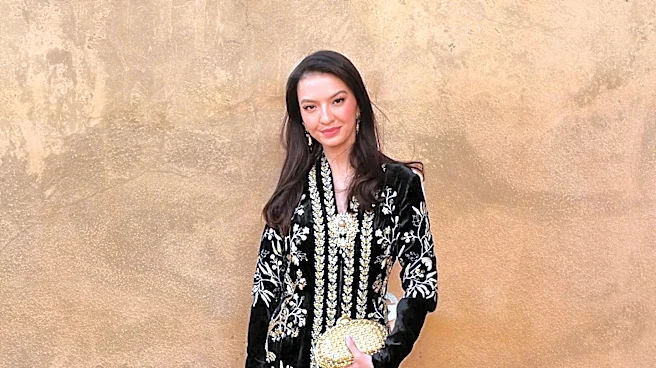
The winter 2026 fashion season is showcasing several prominent coat trends. Ornate duster coats are gaining popularity, characterized by long, fluid silhouettes in jewel-toned satin, floral embroidery,
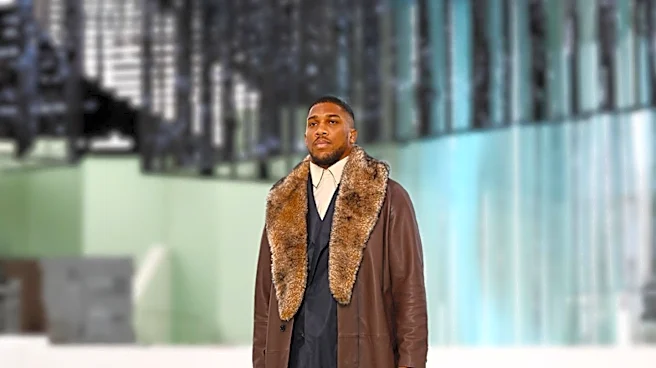
and crushed velvet, often finished with faux-fur trims. These duster coats are being styled casually over everyday outfits, moving beyond their traditional association with evening wear. Another significant trend is the evolution of leather jackets into longer, sleeker car coat styles, featuring softly tailored shapes, belted waists, and fluid lines. These leather coats are versatile, suitable for both minimalist and statement dressing. Additionally, Bambi print is emerging as a fresh alternative to classic leopard print, appearing on coats and offering a confident yet contemporary animal-print option.
Why It's Important?
These emerging coat trends are significant for the U.S. fashion retail sector, influencing design, manufacturing, and consumer purchasing decisions. The emphasis on ornate duster coats could drive demand for luxurious fabrics and intricate detailing, impacting textile suppliers and garment producers. The shift towards sleek leather car coats suggests a continued investment in durable, high-quality outerwear, potentially boosting sales for brands specializing in leather goods. The introduction of Bambi print as a new animal print trend offers retailers a fresh product category to attract consumers, potentially leading to increased inventory and marketing efforts around this specific pattern. These trends collectively shape the aesthetic direction of winter fashion, affecting everything from runway collections to mass-market offerings and ultimately influencing consumer spending habits.
What's Next?
As these coat trends solidify, U.S. fashion brands and retailers are expected to integrate ornate duster coats, sleek leather car coats, and Bambi-print outerwear into their upcoming collections. Consumers will likely see these styles prominently featured in fashion magazines, online editorials, and retail displays. Designers will continue to innovate within these trends, exploring new fabric combinations, embellishments, and silhouettes. The adoption of these trends by influencers and celebrities will further accelerate their mainstream appeal. The market will likely see a diverse range of price points for these styles, from high-end designer pieces to more affordable fast-fashion interpretations, making them accessible to a broader consumer base.
Beyond the Headlines
The prominence of ornate duster coats reflects a broader cultural desire for expressive and dramatic fashion, even in everyday wear, challenging the notion that statement pieces are reserved for special occasions. The enduring appeal of leather, now in sleeker forms, speaks to a consumer preference for timeless investment pieces that combine durability with modern aesthetics. The emergence of Bambi print highlights the fashion industry's continuous search for novelty and fresh interpretations of classic motifs, reflecting a cyclical nature of trends. These developments also underscore the increasing influence of social media and street style in shaping fashion trends, as consumers look for ways to personalize and elevate their daily wardrobes.