






What's Happening?
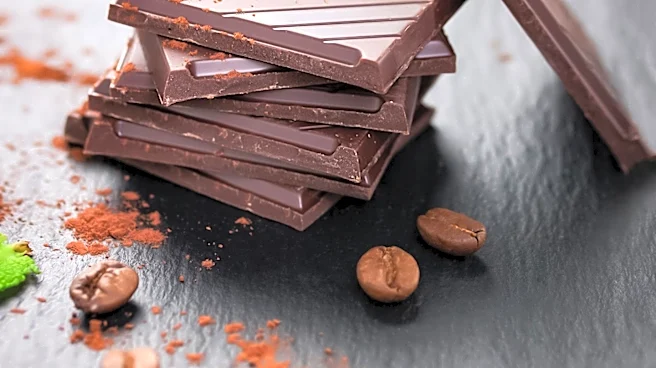
Dark sugar-free chocolate is increasingly sought after by consumers in the U.S. and Canada for various reasons, including managing diabetes, adhering to ketogenic diets, or simply preferring a less sweet flavor profile. Unlike milk chocolate, dark chocolate's
inherent intensity, derived from the cocoa bean itself, allows it to translate effectively into a sugar-free bar without significant flavor compromise. The market sees a consistent demand for products that taste good, do not spike blood sugar, and perform well in both direct consumption and baking. Key concerns among shoppers revolve around taste, impact on blood sugar, and suitability for specific dietary needs like keto. The adaptability of dark chocolate to sugar-free formulations stems from its strong, complex cocoa flavor, which requires less sugar to begin with, making the transition to alternative sweeteners smoother.
Why It's Important?
The growing demand for sugar-free dark chocolate reflects a broader shift in consumer preferences towards healthier eating and specialized dietary needs within the U.S. food industry. This trend impacts manufacturers to innovate with alternative sweeteners like erythritol, monk fruit extract, and stevia, and to focus on high-quality cocoa sourcing to maintain flavor integrity. For individuals managing diabetes or following low-carb diets, these products offer a viable option for indulgence without compromising health goals. The success of sugar-free dark chocolate also highlights the importance of clear labeling regarding cocoa percentage and net carb counts, empowering consumers to make informed choices. This market segment's expansion could lead to more diverse sugar-free offerings across the confectionery industry, catering to a wider range of health-conscious consumers.
What's Next?
The market for sugar-free dark chocolate is expected to continue its growth trajectory, driven by ongoing health trends and increasing awareness of dietary impacts. Manufacturers will likely further refine sweetener blends to minimize aftertastes and improve texture, aiming for products that closely mimic traditional chocolate experiences. We may see an increase in specialized brands focusing solely on sugar-free or low-sugar confections, offering more variety in cocoa percentages and flavor pairings. Retailers, including major grocery chains and specialty stores, will likely expand their selections of sugar-free dark chocolate to meet consumer demand. Additionally, the use of sugar-free dark chocolate in home baking is anticipated to rise, prompting more recipes and culinary resources tailored to this ingredient.
Beyond the Headlines
The rise of sugar-free dark chocolate extends beyond a simple dietary choice, touching upon broader cultural and ethical considerations within the food industry. It underscores a societal move towards greater health consciousness and a demand for transparency in food production. The emphasis on high-quality cocoa sourcing also brings attention to ethical sourcing practices and sustainability in the cocoa industry. Furthermore, the development of effective sugar substitutes and their integration into popular food items could have long-term implications for public health, potentially contributing to a reduction in sugar-related diseases. This trend also challenges traditional notions of indulgence, demonstrating that satisfying treats can align with health-oriented lifestyles, thereby reshaping consumer expectations for 'guilt-free' pleasures.