






What's Happening?
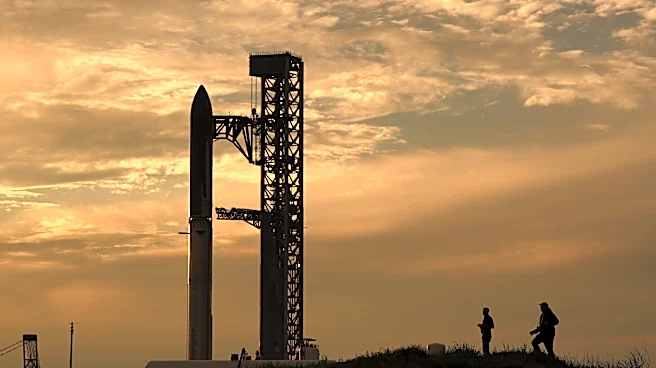
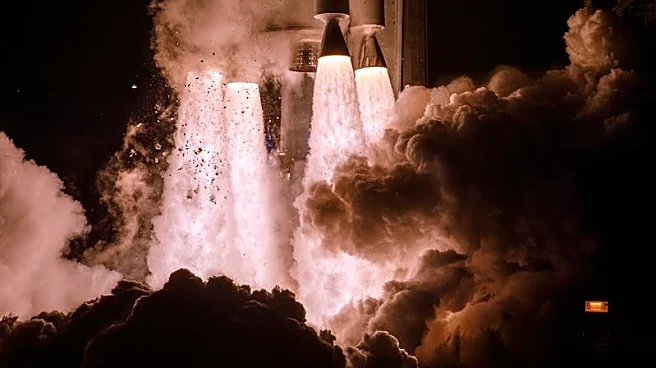
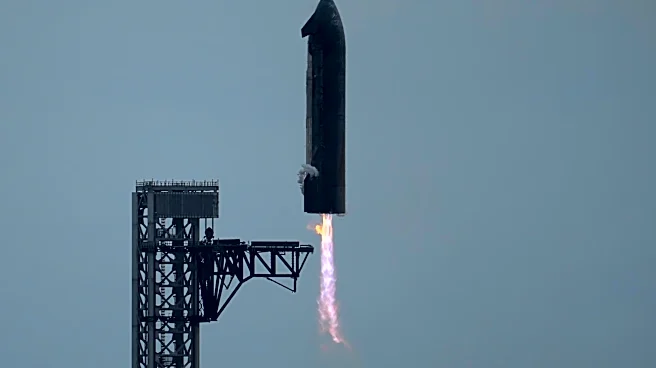
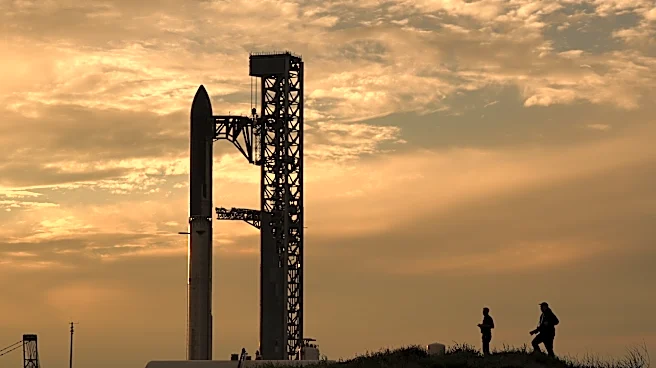
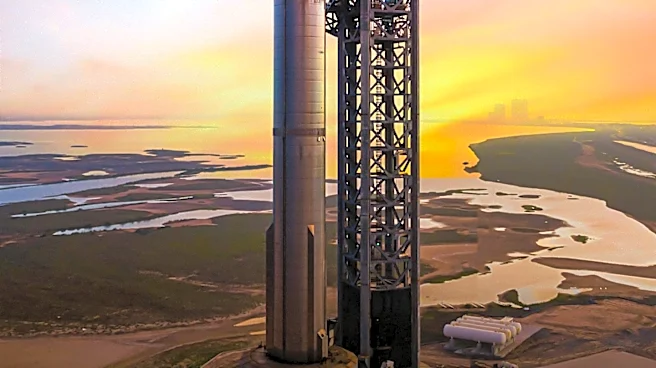
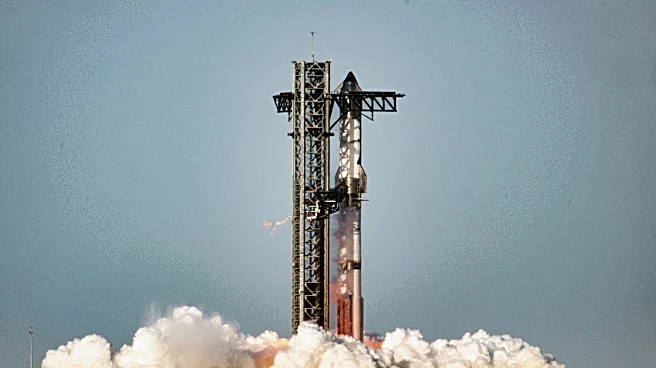
SpaceX is moving forward with its plans for a new Starbase city and launch site in Vermilion Parish, Louisiana, a project initially code-named 'Project Osprey.' This new facility, spanning 125,000 acres at Pecan Island, is slated to include over a dozen
launch towers and on-site rocket fuel production, with ambitions for 30 launches per day. The project's early stages were marked by secrecy, with numerous local officials reportedly signing non-disclosure agreements. Louisiana Governor Jeff Landry publicly announced the project in August. However, local residents and the nonprofit Vermillion Citizens coalition have filed a lawsuit, alleging that parish officials violated the state’s Open Public Meetings Law by sidestepping public participation during initial approvals. This development follows SpaceX's ongoing expansion of its natural gas infrastructure in Texas and Florida to support its methane-based rocket propellant needs, highlighting the company's increasing demand for natural gas.
Why It's Important?
The establishment of Starbase, Louisiana, signifies a significant expansion of SpaceX's operational footprint in the United States, potentially transforming the economic landscape of Vermilion Parish. The project's scale, including its extensive launch capabilities and on-site fuel production, underscores the growing demand for natural gas in the aerospace industry, particularly for methane-fueled rockets. This increased demand could influence natural gas production and infrastructure development in the Gulf Coast region. The lawsuit filed by local residents raises critical questions about transparency and public participation in large-scale industrial projects, potentially setting precedents for how such developments are approved and communicated to affected communities. The controversy also highlights the tension between economic development driven by private enterprise and the public's right to information and involvement in decisions impacting their environment and quality of life.
What's Next?
The legal challenge brought by the Vermillion Citizens coalition will proceed, with the lawsuit alleging violations of Louisiana's Open Public Meetings Law. The outcome of this legal action could impact the project's timeline and potentially require greater transparency or public engagement in future approval processes. SpaceX will likely continue to develop its natural gas supply infrastructure to support the Louisiana Starbase, mirroring its efforts in Texas and Florida. This may involve further pipeline construction and partnerships with natural gas producers. The project's progression will also be closely watched by environmental groups, given the scale of operations and the potential impact on the marshy coastal region of Pecan Island. Future public hearings or regulatory reviews related to the data center and power plant components of the Starbase project in Texas could also offer insights into the company's broader infrastructure strategy.
Beyond the Headlines
The Starbase, Louisiana project, alongside SpaceX's other ventures, illustrates a broader trend of increased natural gas consumption by technology and aerospace companies, potentially complicating efforts to transition to cleaner energy sources. While Elon Musk's Tesla is a leader in electric vehicles, his other enterprises, like SpaceX and xAI data centers, are driving significant demand for fossil fuels, particularly natural gas for rocket fuel and power generation. This creates a complex narrative around sustainability, where advancements in one sector (EVs) are offset by increased fossil fuel reliance in others. The secrecy surrounding 'Project Osprey' also raises ethical concerns about corporate influence on local governance and the potential for large corporations to bypass public scrutiny in pursuit of rapid development. This situation could prompt broader discussions about the balance between economic growth, environmental protection, and democratic principles in the context of major industrial projects.