




What's Happening?
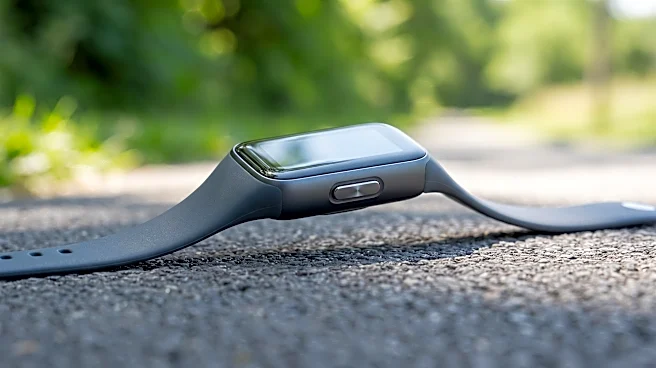
The Fitbit Edge has been released, featuring a 46% larger and brighter 1.34-inch display compared to its predecessor, the Charge 6. This new fitness tracker includes a physical side button for improved navigation, a built-in altimeter for tracking elevation
changes, automatic workout detection, and structured workouts accessible via a smartphone. It also boasts fast charging capabilities, providing a full day of battery life in just five minutes, and a user-replaceable battery designed for sustainability. While offering enhanced GPS tracking and refined heart rate monitoring, the device omits contactless payment functionality, a feature present in many modern wearables. The Fitbit Edge is priced at $179 for the base model.
Why It's Important?
The introduction of the Fitbit Edge signifies a strategic move by Google in the competitive fitness tracker market, aiming to balance advanced tracking features with user convenience and sustainability. The larger, brighter display and physical button address common user feedback regarding usability during activities, potentially broadening its appeal to a wider range of fitness enthusiasts. The inclusion of a user-replaceable battery is a notable step towards reducing electronic waste and extending device longevity, aligning with growing consumer demand for more sustainable tech products. However, the absence of contactless payments could be a significant drawback for users accustomed to this convenience, potentially limiting its adoption among those who prefer an all-in-one wearable solution for daily transactions and fitness tracking. This decision reflects a prioritization of a slimmer design and longer battery life over certain 'smartwatch' features, indicating a clear positioning of the Edge as primarily a fitness-focused device.
What's Next?
The Fitbit Edge is expected to compete directly with other fitness trackers in the market, such as the upcoming Samsung Galaxy Fit 4, which is also priced similarly. Future firmware updates could potentially address some of the Fitbit Edge's current shortcomings, such as the lack of on-device workout guidance or the manual activation of sleep mode. The device's integration with the Google Health app will continue to evolve, offering detailed metrics and analysis for users. However, the reliance on a smartphone for certain functionalities, like structured workouts, suggests that Google may continue to differentiate its fitness trackers from its more feature-rich Pixel Watch line. Consumers will likely weigh the Edge's enhanced tracking and battery life against the absence of contactless payments and the need for smartphone tethering for some features when making purchasing decisions.
Beyond the Headlines
The design choices for the Fitbit Edge, particularly the emphasis on a user-replaceable battery and the omission of contactless payments, highlight a broader industry discussion about the trade-offs between advanced features, device longevity, and environmental impact. By making the battery replaceable, Fitbit is challenging the planned obsolescence often seen in consumer electronics, potentially setting a new standard for sustainability in wearables. This could influence other manufacturers to consider similar eco-friendly design elements. The decision to remove contactless payments, based on reported low usage rates among previous models, suggests a data-driven approach to product development, focusing on core fitness functionalities. This might indicate a trend where fitness trackers become more specialized, while smartwatches continue to offer a broader range of lifestyle features, creating a clearer distinction between the two categories in the wearable market.