




What's Happening?
Fifth Third Bank has significantly strengthened its security infrastructure by establishing a centralized Security Operations Center (SOC) that operates 24/7. This SOC serves as the bank's internal emergency response hub, providing employees with direct
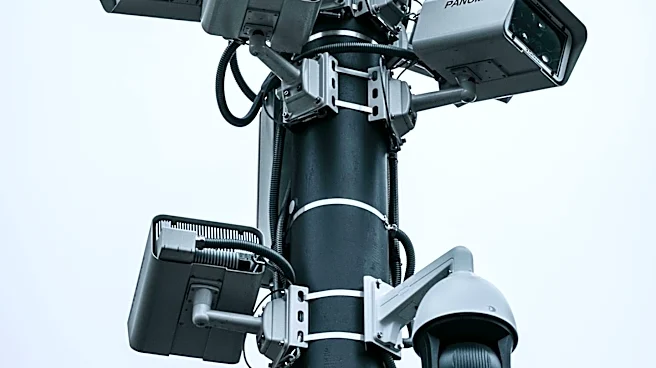
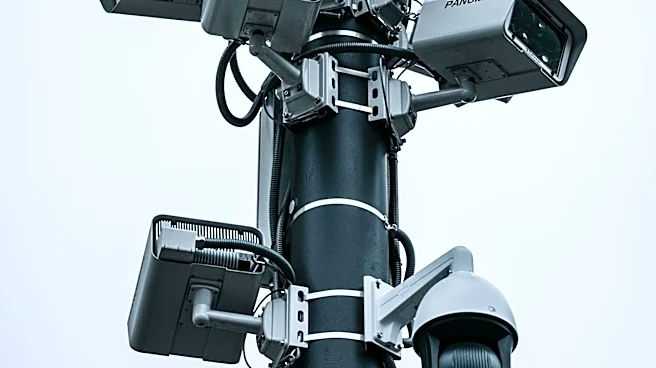
access to live support for safety and security concerns. The bank has partnered with March Networks to standardize its video surveillance and enterprise management software across its extensive network. This deployment includes over 30,000 cameras and more than 1,100 recorders, all centrally managed through a single platform, covering over 1,500 financial centers and approximately 80 high-rise facilities across the United States. The camera system is specifically designed for banking environments, featuring multi-sensor cameras for broad coverage, 360-degree cameras to eliminate blind spots, dome cameras for teller and lobby areas, and dedicated ATM cameras capable of capturing clear facial images. A key initiative has been the rollout of exterior cameras, now 60% complete, providing full perimeter visibility around financial centers.
Why It's Important?
This security enhancement is crucial for Fifth Third Bank in protecting its assets, employees, and customers, while also bolstering its role as a responsible community partner. The centralized SOC and advanced surveillance system significantly improve the bank's ability to detect, respond to, and investigate security incidents in real-time. The exterior cameras, in particular, have proven instrumental in tracking suspects, identifying vehicles, and sharing critical information with law enforcement, leading to apprehension rates above 80%. This not only deters criminal activity but also aids in faster cash recovery and reduces financial losses. Beyond crime prevention, the comprehensive surveillance system supports day-to-day operations by allowing property management teams to assess damage from natural events and vandalism remotely. Furthermore, the bank's ability to provide video evidence to law enforcement for incidents on or near its properties strengthens community safety and fosters trust, demonstrating a commitment to public welfare beyond its immediate banking services.
What's Next?
Fifth Third Bank will continue the rollout of its exterior camera program, aiming for full coverage across its financial centers. The bank will likely further integrate its security systems with emerging technologies to enhance predictive capabilities and response times. Ongoing training for SOC personnel will be essential to ensure they remain proficient with the advanced surveillance tools and emergency response protocols. The success of this security strategy may influence other financial institutions to adopt similar centralized and technologically advanced security measures. Fifth Third Bank will also continue to collaborate with law enforcement agencies, leveraging its enhanced surveillance capabilities to assist in broader community safety initiatives. The data collected from these systems could also be used to refine security policies and procedures, adapting to evolving threats and maintaining a proactive stance against potential risks.
Beyond the Headlines
The implementation of such a robust security system by Fifth Third Bank raises deeper implications regarding the balance between security and privacy. While the primary goal is to protect against crime and ensure safety, the extensive network of cameras and centralized monitoring capabilities contribute to a broader surveillance landscape. This development underscores the increasing reliance on technology to safeguard physical spaces and assets, a trend that extends beyond the financial sector. The bank's ability to share video with law enforcement for incidents beyond its immediate property highlights the evolving role of private entities in public safety and the potential for data sharing between corporate security and government agencies. This also touches upon the ethical considerations of data retention and access, ensuring that such powerful tools are used responsibly and within legal frameworks. Ultimately, this move reflects a growing expectation for institutions to invest heavily in security infrastructure in an increasingly complex and interconnected world.