





What's Happening?
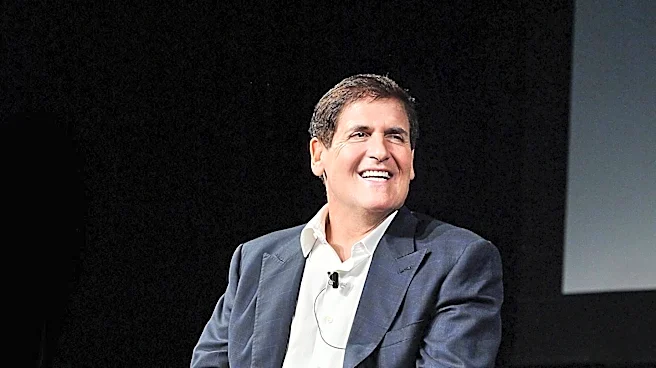
Liberty Media has acquired founder John Malone's high-vote Series B shares in its Formula One Group. This corporate-governance reset has significantly reduced Malone's voting power from approximately 48% to about 3%. The Formula One Group tracking stock,
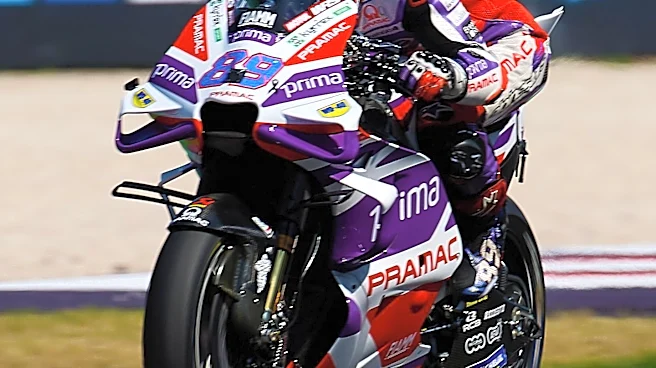
which includes FWONA (Series A, voting) and FWONK (Series C, non-voting) share classes, holds the commercial rights to Formula 1 and recently acquired MotoGP. Both share classes have seen gains following this simplification of Liberty Media's capital structure. The Series A shares (FWONA) carry one vote per share and are less liquid, typically trading at a modest discount. The Series C shares (FWONK) are non-voting but are significantly more liquid and have consistently traded at a premium, making them preferred by funds and active traders. This move aims to broaden the appeal of the stock to institutional investors.
Why It's Important?
This restructuring is important as it centralizes control within Liberty Media's Formula One Group, reducing the influence of a single large shareholder, John Malone. The significant reduction in Malone's voting power from nearly half to a mere 3% signals a shift in corporate governance, potentially leading to more streamlined decision-making processes and broader institutional investor confidence. For investors, the increased liquidity and simplified capital structure, particularly for the FWONK shares, make the stock more attractive and accessible. This could lead to increased trading volumes and potentially a more stable valuation for the Formula One Group, which benefits from strong commercial momentum, including record attendance and new agreements, despite some recent earnings coming in below analyst estimates.
What's Next?
The simplification of Liberty Media's capital structure is expected to continue attracting institutional investors to the Formula One Group's stock, particularly the more liquid FWONK shares. This increased institutional participation could lead to greater market stability and potentially higher valuations. The company will likely focus on leveraging Formula 1's commercial momentum, including expanding its race calendar, growing its sponsor base, and further developing its digital audience. The integration of MotoGP under the Dorna acquisition will also be a key area of focus, aiming to maximize synergies and revenue streams. Future earnings reports will be closely watched to see how these strategic moves translate into financial performance, especially in light of past earnings that sometimes fell below analyst expectations.
Beyond the Headlines
Beyond the immediate financial implications, this corporate governance shift could signal a broader trend in how large media and entertainment conglomerates manage founder influence as they mature. The reduction of a founder's significant voting power, even if amicable, can pave the way for a more diversified ownership structure and potentially more agile corporate strategies. This move also highlights the ongoing balance between voting rights and liquidity in the market; while voting shares offer influence, non-voting shares often command a premium due to their ease of trading. The long-term impact on Formula 1 and MotoGP, now under a more consolidated ownership structure, could include accelerated global expansion and enhanced commercialization efforts, potentially reshaping the landscape of global motorsports.