






What's Happening?
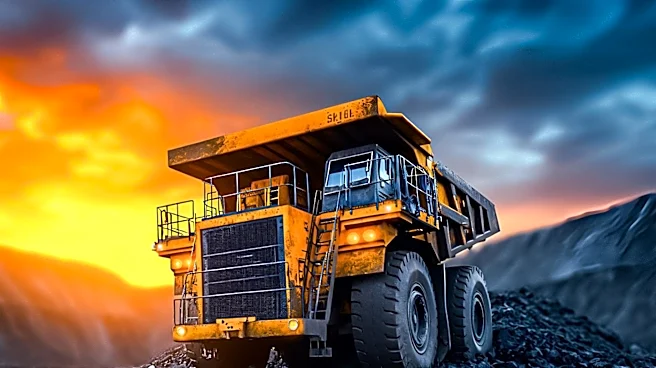
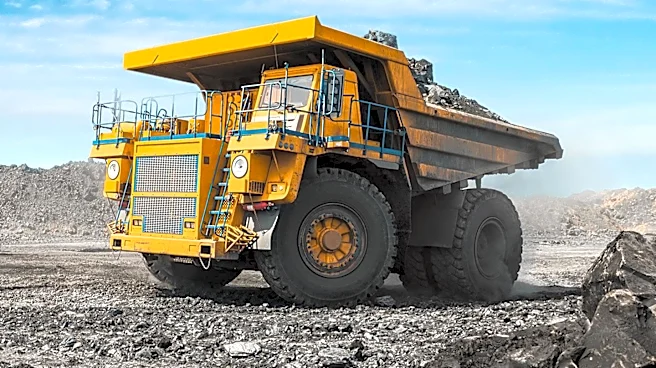
Rio Tinto has announced a 5% year-on-year increase in global iron ore sales for the second quarter of 2026, reaching 89 million tonnes. The majority of these sales, 85.3 million tonnes, came from its Pilbara operations. Despite this growth, the company
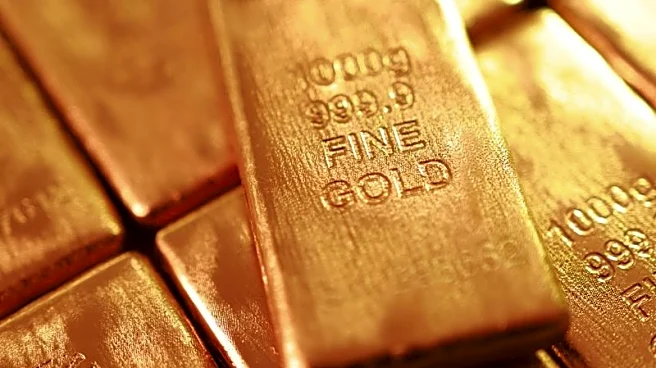
faces challenges in meeting its annual forecast of 323-338 million tonnes, necessitating a strong performance in the latter half of the year. The average pricing for iron ore at Pilbara improved slightly to $85.2 per wet tonne. However, the company reported a 7% decrease in overall copper production, with significant declines at its Escondida operations in Chile due to lower ore grades. In response to higher-than-expected gold prices and productivity improvements, Rio Tinto has reduced its 2026 copper C1 net unit cost forecast. Additionally, the company reported a 20% increase in lithium production, driven by the ramp-up at the Rincon starter plant and early deliveries at Sal de Vida and Fénix 1B.
Why It's Important?
The increase in iron ore sales is significant for Rio Tinto as it underscores the company's ability to maintain strong performance in its core commodity markets despite global economic uncertainties. The improved pricing and sales volume from Pilbara operations highlight the company's strategic focus on enhancing productivity and operational efficiency. However, the decline in copper production poses challenges, particularly as copper is a critical component in various industries, including technology and renewable energy. The reduction in copper production costs could mitigate some financial pressures, but the company must address the production shortfall to maintain its market position. The rise in lithium production is also noteworthy, reflecting Rio Tinto's efforts to capitalize on the growing demand for lithium-ion batteries, essential for electric vehicles and renewable energy storage.
What's Next?
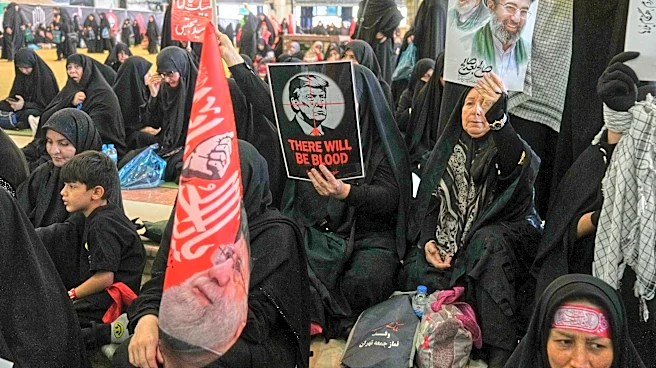
Rio Tinto will need to focus on boosting its second-half performance to meet its annual iron ore sales targets. The company is also closely monitoring geopolitical tensions in the Middle East, particularly in the Strait of Hormuz, which could impact global energy and logistics markets. Contingency plans are in place to address potential disruptions. Additionally, Rio Tinto's ongoing productivity improvement programs and strategic investments in lithium production are expected to continue, positioning the company to benefit from the increasing demand for sustainable energy solutions.