







What's Happening?
Sri Lanka is moving away from new barter trade arrangements, particularly for its tea exports, as its tea-for-oil agreement with Iran nears completion. The Sri Lanka Tea Board (SLTB) indicates that future barter deals are highly unlikely due to concerns
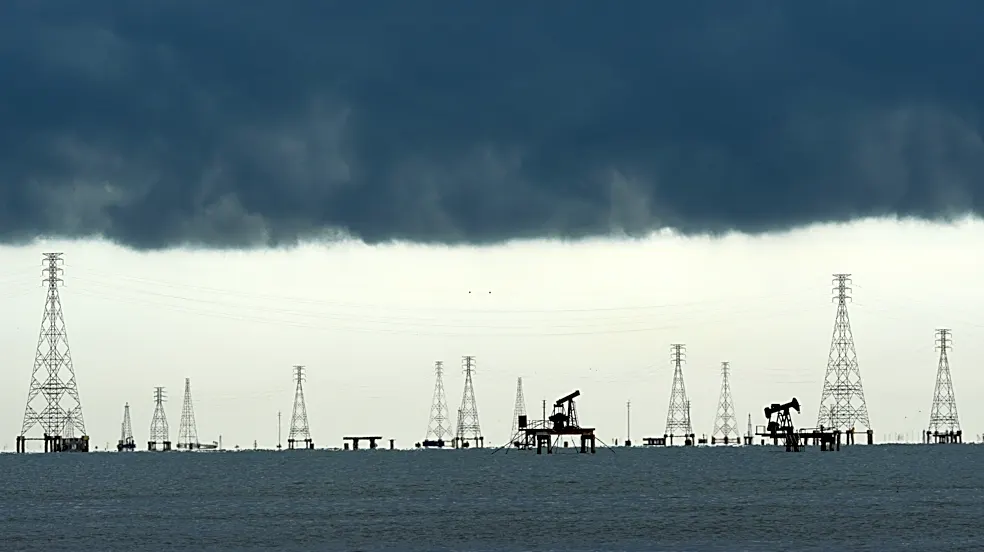
from exporters regarding liquidity, bureaucratic delays, and limited commercial interest in government-managed exchanges. The current agreement, signed in December 2021, allowed Sri Lanka to export approximately $235 million worth of Ceylon Tea to Iran, settling an outstanding debt of about $250.9 million owed by the Ceylon Petroleum Corporation (CPC) to Iran. This mechanism helped Sri Lanka settle its liability while navigating international banking restrictions. However, the implementation created financial and administrative burdens, with exporters facing extended waits to recover working capital. A proposal to use tea exports to settle liabilities for Russian aircraft overhaul services also failed to gain traction among tea exporters, who prefer existing commercial settlement channels.
Why It's Important?
This policy shift by Sri Lanka underscores the challenges and inefficiencies associated with government-managed barter trade, even when used to circumvent international sanctions or financial restrictions. For U.S. businesses and policymakers, this highlights the preference for conventional commercial settlement channels in international trade, which are generally more efficient and less burdensome for private sector entities. The experience demonstrates that while barter can be a temporary solution in specific geopolitical contexts, it often introduces liquidity issues and administrative complexities that deter long-term commercial engagement. The decision to prioritize established financial institutions and secondary trade hubs for transactions, even with countries like Russia, indicates a global trend towards more streamlined and predictable trade mechanisms, which could influence future U.S. trade policy considerations with developing nations facing similar financial constraints.
What's Next?
The Sri Lanka Tea Board's stance suggests a continued focus on conventional commercial settlement methods for tea exports, moving away from state-managed barter models unless absolutely necessary. This implies that Sri Lanka will likely seek to strengthen its existing commercial ties and financial channels with international buyers. The completion of the Iran tea-for-oil deal will free up resources and reduce administrative burdens on the CPC and the Tea Board. Future trade agreements will likely prioritize direct financial transactions, potentially leading to more stable and predictable revenue streams for Sri Lankan tea exporters. This shift could also encourage other nations facing similar financial restrictions to re-evaluate the long-term viability and efficiency of barter systems versus conventional trade mechanisms.
Beyond the Headlines
The Sri Lankan experience with the Iran tea-for-oil deal offers a case study in the broader implications of economic sanctions and the creative, yet often cumbersome, methods nations employ to circumvent them. While the barter system allowed Sri Lanka to settle a significant debt and avoid a formal default, it exposed the inherent difficulties in managing such arrangements, particularly the strain on private sector liquidity and the administrative overhead. This situation highlights the ethical and practical dilemmas faced by countries caught between international financial restrictions and their economic obligations. The preference for 'non-sanctioned financial institutions or secondary trade hubs' for transactions with Russia, rather than a state-managed barter, points to the evolving landscape of global finance where informal or alternative commercial channels are increasingly vital for maintaining trade flows in a complex geopolitical environment.