




What's Happening?
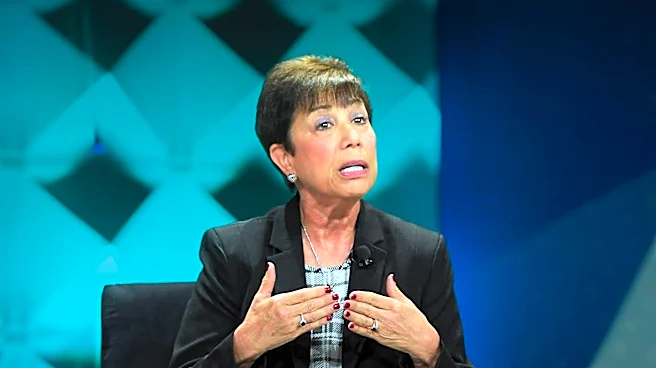
The Tennessee Valley Chapter of the Army Aviation Association of America (TVC AAAA) recently hosted a career panel event at Rocket City Tavern, bringing together leaders from the Army, defense industry, government, and community to offer career advice
to young professionals. The panel included John Allen, CEO of the Huntsville Committee of 100; Ross Armstrong, acting director of the Systems Readiness Directorate at the U.S. Army Combat Capabilities Development Command Aviation & Missile Center; Command Sgt. Maj. Chris Doss of Army Materiel Command; IronMountain Solutions CEO Luther Laney; and Dylan Smith, district director for U.S. Rep. Dale Strong. Key themes discussed included the importance of being a problem-solver rather than just a problem-identifier, effective communication, building relationships, and taking calculated career risks. Dylan Smith specifically advised on tailoring technical information for diverse audiences, drawing parallels to his journalism background, and stressed the importance of proofreading for professionalism.
Why It's Important?
This event is significant for the professional development landscape in the Huntsville and North Alabama region, particularly given its role as a national hub for aerospace, defense, and advanced research. By connecting young professionals with experienced leaders, the TVC AAAA fosters mentorship and knowledge transfer, which are crucial for cultivating a skilled workforce. The emphasis on problem-solving, effective communication, and relationship-building directly addresses critical needs in complex industries like defense and technology. For the U.S. defense sector, a robust pipeline of well-trained and adaptable professionals is essential for innovation and maintaining technological superiority. The advice shared, such as avoiding 'death by PowerPoint' and understanding one's audience, highlights practical skills that enhance efficiency and collaboration within government, military, and private sector partnerships. This initiative helps ensure that the region's talent pool is equipped to meet future challenges and opportunities, contributing to both local economic growth and national security objectives.
What's Next?
The TVC AAAA is expected to continue its mission of connecting soldiers, Army civilians, industry leaders, and young professionals through mentorship and professional development programs. Future events will likely build on the success of this panel, potentially offering more specialized workshops or networking opportunities focused on specific career paths within the aerospace and defense sectors. Young professionals who attended are encouraged to apply the lessons learned, such as actively seeking mentorship, engaging in community service, and refining their communication skills. The insights shared by leaders like Dylan Smith, district director for U.S. Rep. Dale Strong, could influence how companies and government agencies present information, leading to more concise and audience-appropriate briefings. The ongoing collaboration between military, industry, and academic institutions in the Tennessee Valley will likely strengthen, fostering a dynamic environment for career growth and innovation in critical U.S. industries.
Beyond the Headlines
Beyond the immediate career advice, this event underscores a broader cultural shift in professional development, moving beyond traditional hierarchical learning to embrace mentorship and peer-to-peer knowledge exchange. The emphasis on 'betting on yourself' and taking calculated risks reflects a growing recognition of entrepreneurial spirit and adaptability as essential traits in a rapidly evolving job market. The panel's focus on community involvement and building relationships highlights the interconnectedness of professional success and civic engagement, suggesting that a holistic approach to career growth is increasingly valued. Ethically, the discussion about problem-solving versus problem-identifying encourages a proactive and constructive mindset, fostering a culture of accountability and continuous improvement. This type of engagement also helps bridge the gap between academic preparation and real-world industry demands, ensuring that the next generation of leaders is not only technically proficient but also possesses the soft skills necessary for effective leadership and collaboration in complex U.S. sectors.