






What's Happening?
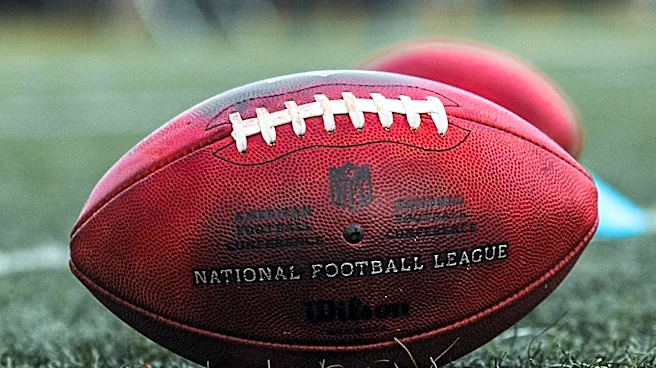
Apollo Sports Capital, the sports division of the private equity giant Apollo, is actively exploring investment opportunities within the National Football League (NFL). Sam Porter, Apollo Sports Capital's chief strategy officer, stated at the Front Office
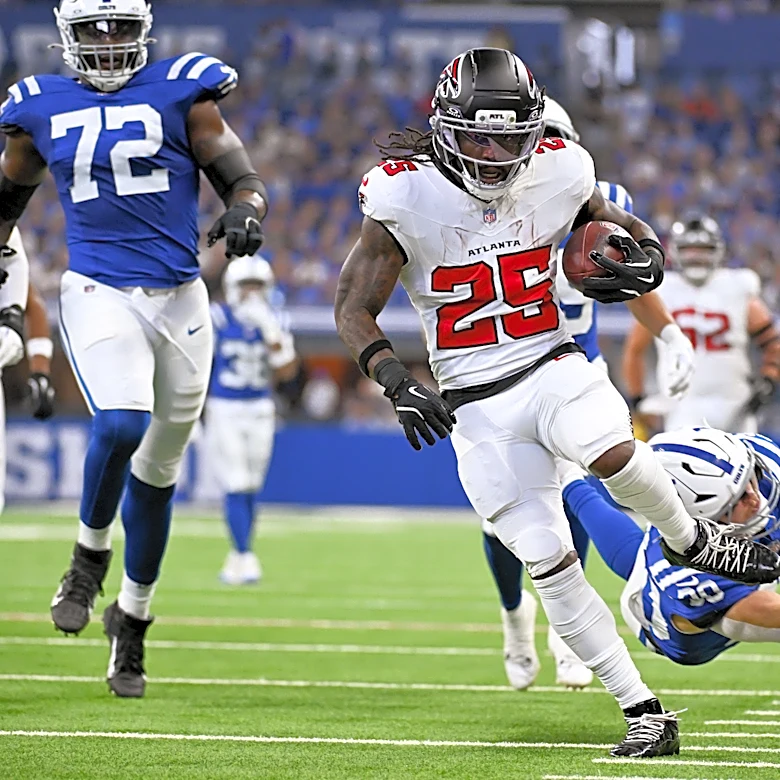
Sports Asset Class event in New York that the firm is taking a "hard look" at the NFL, despite not currently being one of the league's approved private equity partners. Porter emphasized the NFL's massive audience, strong connection with the U.S. population, and global growth ambitions as key attractions. This interest follows Apollo Sports Capital's recent $2.6 billion investment deal with the New York Yankees, which closed last month, providing the MLB club with capital for debt restructuring and growth while maintaining the Steinbrenner family's control. The NFL has permitted private equity investment in teams for the past 25 months, with firms like Arctos already investing in multiple teams, including the Falcons.
Why It's Important?
Apollo Sports Capital's interest in the NFL signifies a growing trend of private equity firms seeking to invest in major U.S. sports leagues. This influx of institutional capital can provide significant financial resources for NFL teams, potentially leading to enhanced facilities, improved player development programs, and expanded marketing efforts. For team owners, private equity investment offers a way to unlock liquidity and increase valuations without necessarily relinquishing full control, as demonstrated by the Yankees deal. However, it also raises questions about the long-term implications for team ownership structures, fan engagement, and the commercialization of sports. The NFL's cautious approach to approving private equity partners reflects a desire to maintain the league's integrity and competitive balance, while still allowing for capital infusion. This development could reshape the financial landscape of professional football, influencing everything from team operations to media rights deals.
What's Next?
Apollo Sports Capital will likely continue its due diligence and engage in discussions with the NFL and potential team partners to understand the league's investment criteria and identify suitable opportunities. The firm will need to navigate the NFL's approval process to become an authorized private equity investor. Should Apollo succeed, its entry could encourage other major private equity firms to pursue similar investments, further accelerating the trend of institutional capital in sports. The NFL, in turn, may refine its policies regarding private equity ownership to balance the benefits of capital infusion with concerns about ownership control and league governance. Future developments will depend on the specific investment structures proposed and the NFL's strategic vision for its financial partnerships, potentially leading to new models of sports franchise ownership and management.
Beyond the Headlines
The increasing involvement of private equity in professional sports, exemplified by Apollo's interest in the NFL, reflects a broader financialization of cultural assets. Sports franchises are no longer just entertainment entities but are viewed as valuable, appreciating assets with significant revenue streams from media rights, sponsorships, and merchandise. This trend raises deeper questions about the balance between the commercial imperatives of ownership and the public interest aspects of sports, including fan loyalty and community identity. The potential for private equity to influence team decisions, from player acquisitions to stadium development, could alter the traditional relationship between teams and their fan bases. Furthermore, the global ambitions of leagues like the NFL, coupled with private equity's international reach, could accelerate the globalization of American sports, transforming their cultural footprint and economic impact on a worldwide scale.