



What's Happening?
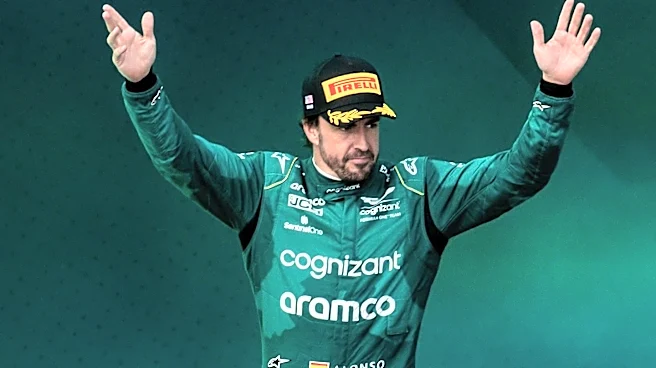
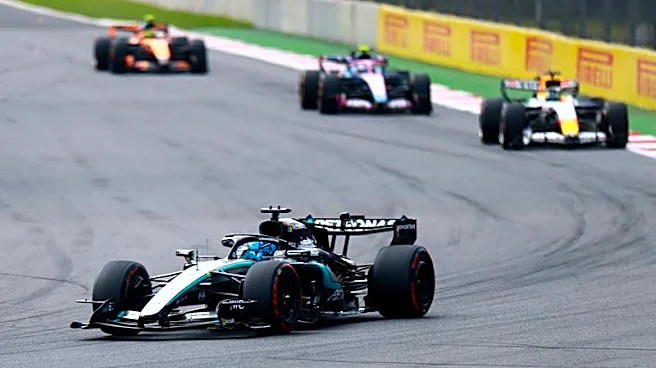
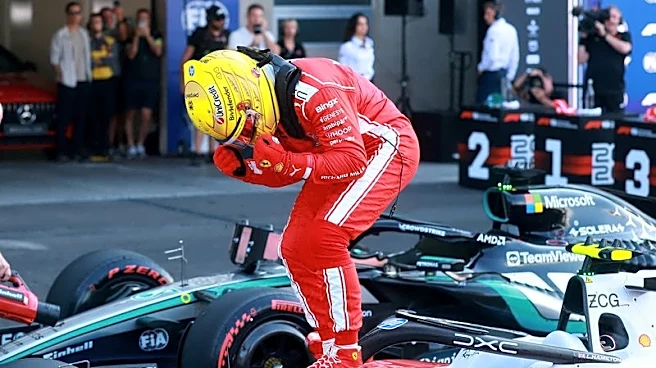
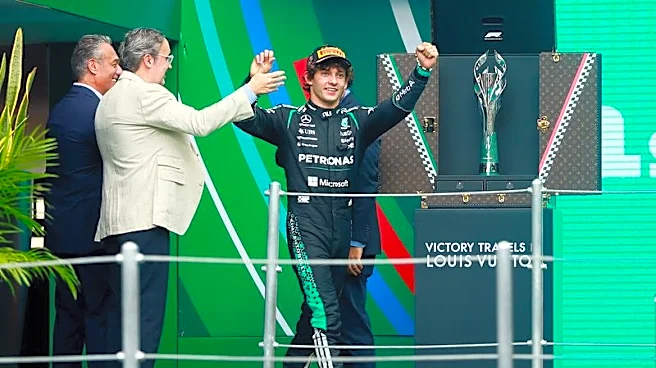
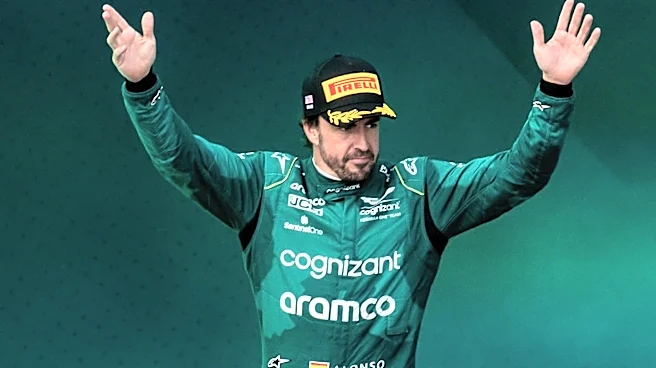
Fernando Alonso, the double Formula One world champion driving for Aston Martin, retired early from the Mexico City Grand Prix on November 1, 2026. This marks another frustrating exit for Alonso in a season plagued by technical difficulties. The retirement
was caused by a recurring MGU-K (Motor Generator Unit – Kinetic) problem, the same issue that had affected his qualifying session. Alonso completed only five laps before his team instructed him to retire. His teammate, Lance Stroll, also retired from the race due to similar power unit issues, resulting in a double retirement for Aston Martin. Honda, the engine supplier, acknowledged that its Energy Recovery System (ERS) cooling system struggled with the high altitude conditions at the Autódromo Hermanos Rodríguez circuit, which placed unexpected stress on the components. Alonso expressed significant frustration, noting that despite the car's good performance, engine reliability issues are preventing competitive race finishes.
Why It's Important?
This repeated technical failure highlights significant reliability challenges for Aston Martin and Honda, particularly under demanding conditions like those presented by Mexico City's high altitude. For Fernando Alonso, a seasoned and highly respected driver, these ongoing issues are testing his motivation and ability to compete for points, despite his car showing promising pace in practice sessions. The double retirement for Aston Martin is a blow to the team's constructors' championship aspirations and raises questions about the robustness of their power unit. Honda's admission of underestimating the cooling challenges at altitude suggests a need for more rigorous testing and development, which could impact their performance in future high-altitude races and potentially influence their engine development strategy for upcoming seasons. This situation also affects the competitive landscape of Formula 1, as a team with potential pace is unable to consistently convert it into results due to mechanical failures.
What's Next?
Aston Martin and Honda will now focus on thoroughly analyzing the data from the Mexico City Grand Prix to understand the root cause of the MGU-K and ERS cooling failures. The immediate priority is to develop solutions before the next race, the São Paulo Grand Prix, scheduled for November 6–8. Fernando Alonso has stated his commitment to remain motivated and continue giving his maximum effort, despite the setbacks. The team hopes to avoid similar reliability problems in Brazil. Honda's technical director, Shintaro Orihara, indicated that the information gathered will be crucial for developing solutions for future races, including the 2027 Mexican Grand Prix. The performance in São Paulo will be a critical test to see if the team can address these reliability concerns and capitalize on the car's underlying pace.
Beyond the Headlines
The recurring technical issues faced by Aston Martin and Honda in Mexico City underscore the intricate engineering challenges in Formula 1, especially when operating at extreme conditions like high altitude. The thin air at the Autódromo Hermanos Rodríguez significantly impacts engine performance and cooling, pushing components to their limits. This incident highlights the delicate balance between maximizing power output and ensuring reliability, a constant battle for all F1 manufacturers. For Honda, this situation could prompt a re-evaluation of their ERS cooling system design and testing protocols, potentially leading to innovations that could benefit future power unit generations. For Aston Martin, consistent reliability is crucial for attracting and retaining top talent and sponsors, as well as for establishing themselves as a front-running team. The psychological toll on a driver like Alonso, known for his fierce competitiveness, also brings into focus the mental resilience required in a sport where success is often dictated by factors beyond a driver's control.