

What's Happening?
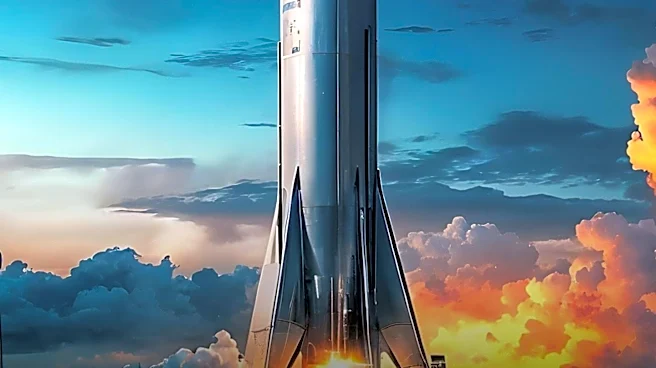
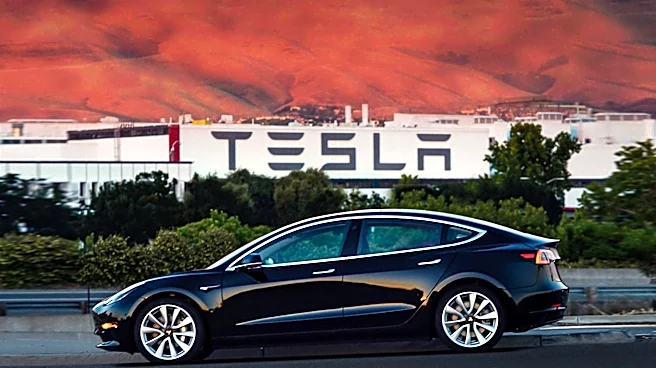
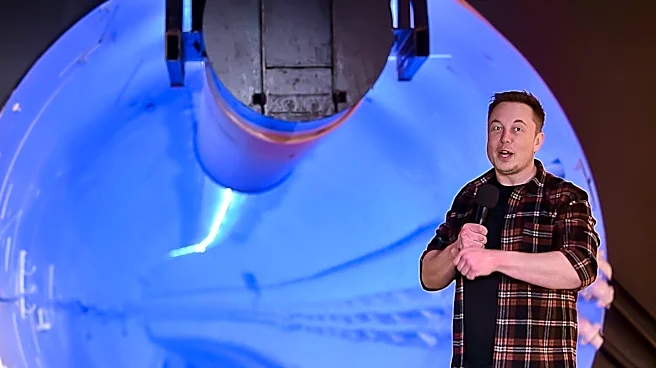
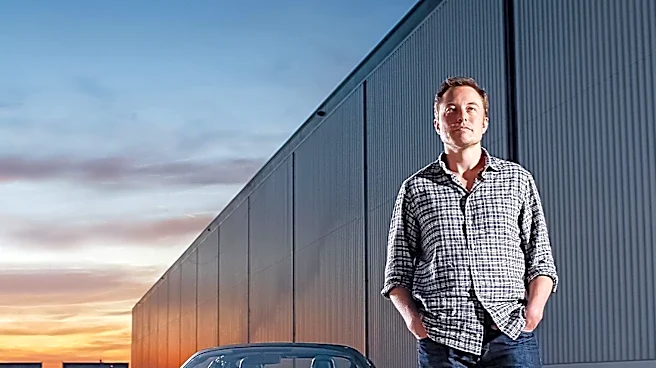
Elon Musk's companies, Tesla and SpaceX, have announced the construction of Terafab, a semiconductor megafactory in Grimes County, Texas. The facility, which is set to become the largest building in the world, will span over 100 million square feet and require
an initial investment of $16.8 billion. Terafab will produce chips optimized for edge computing and high-power applications, catering to Tesla's Optimus robots and SpaceX's space-based data centers. The project is expected to create at least 3,000 jobs, with hiring focused on local residents from Grimes and Brazos County. The facility aims to address the existential supply issue faced by Tesla and SpaceX, as their demand for chips exceeds current global production capabilities.
Why It's Important?
The development of Terafab represents a significant investment in the U.S. semiconductor industry, which is crucial for technological advancement and economic growth. By consolidating chip production, packaging, and testing in one location, the facility is expected to streamline the production process and reduce time-to-yield. This move could enhance the competitiveness of U.S. semiconductor manufacturing, potentially reducing reliance on foreign suppliers. The creation of thousands of jobs will boost the local economy, while the facility's focus on cutting-edge technology positions the U.S. as a leader in semiconductor innovation.
What's Next?
As construction begins, stakeholders will closely monitor the project's progress and its impact on the local community. The facility's reliance on the Gibbons Creek Reservoir for water usage may prompt discussions on environmental sustainability and resource management. Additionally, the involvement of Intel in the project suggests potential collaborations that could further advance semiconductor technology. The success of Terafab could influence future investments in similar facilities, shaping the landscape of the semiconductor industry in the U.S.