






What's Happening?
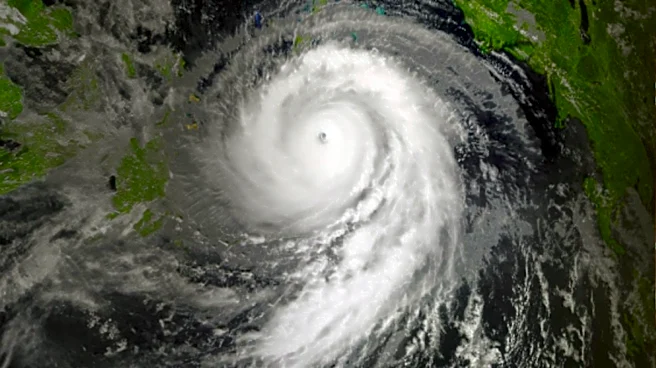
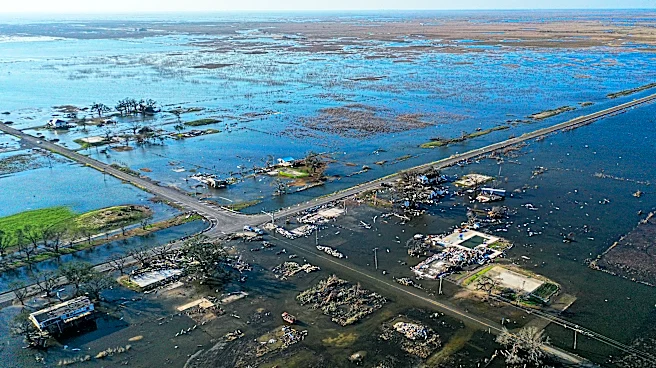
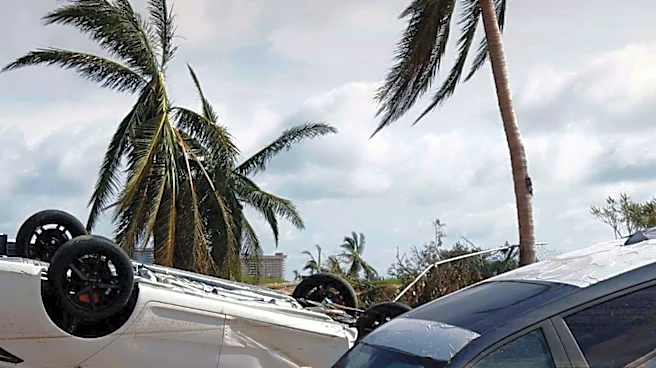
As the 21st anniversary of Hurricane Katrina approaches, the insurance industry is reflecting on the lessons learned from the catastrophic event and the evolving nature of disaster risks. Hurricane Katrina, which struck in 2005, resulted in over 1,800
fatalities, the destruction of more than 200,000 homes, and economic losses exceeding $250 billion. Insured losses alone reached approximately $100 billion, making it the most expensive natural disaster on record. The article discusses how the risks associated with natural disasters have changed over the years, with new challenges emerging due to urban sprawl, climate change, and infrastructure vulnerabilities. Insurers are now tasked with preparing for different types of disasters that may not follow the same patterns as Katrina.
Why It's Important?
The significance of this reflection lies in the need for the insurance industry to adapt to changing risk landscapes. With climate change increasing the frequency and intensity of natural disasters, insurers must anticipate and prepare for new types of catastrophic events. The article highlights the importance of using innovative tools, such as generative AI, to imagine and plan for potential future scenarios that could lead to significant losses. Additionally, the interconnectedness of modern infrastructure and the potential for cascading failures pose new challenges for insurers. The ability to manage exposure hotspots and anticipate infrastructure failures is crucial for minimizing future losses and ensuring the resilience of the insurance industry.
What's Next?
Insurers are expected to continue evolving their risk management strategies to address the complexities of modern disasters. This includes incorporating advanced modeling techniques and scenario analyses to better predict and prepare for potential catastrophic events. The industry may also need to revise policy wordings to address new types of risks and avoid costly litigation. As the nature of disasters changes, insurers will likely face increased scrutiny from regulators and the public, necessitating transparent and proactive approaches to risk management.
Beyond the Headlines
The broader implications of this shift in disaster preparedness extend to public policy and urban planning. As cities continue to grow and climate change impacts become more pronounced, there is a need for coordinated efforts between insurers, governments, and communities to enhance resilience. This includes investing in infrastructure improvements, developing comprehensive emergency response plans, and promoting sustainable development practices. The insurance industry plays a critical role in driving these changes by highlighting vulnerabilities and advocating for proactive measures to mitigate future risks.