





What's Happening?
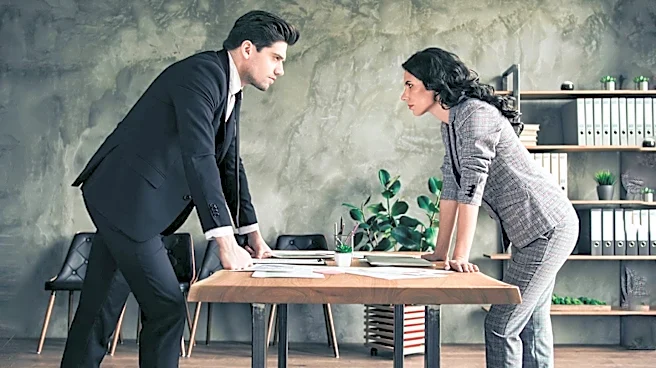
Different generations in the U.S. workforce hold vastly different perceptions of what constitutes professional attire, leading to misunderstandings and friction. Baby Boomers, who entered a hierarchical office culture, view professional dress as a suit,
symbolizing seniority and effort, a standard codified by guides like John T. Molloy's 1975 'Dress for Success.' Gen X, witnessing the rise of business casual, adopted khakis and collared shirts as their professional norm. Millennials, influenced by the tech industry where powerful figures wore casual attire like hoodies, prioritize competence and intentionality over formality, favoring clean, well-fitting clothes. Gen Z, paradoxically, is showing a renewed interest in more formal wear, sometimes even exceeding office requirements, partly due to aesthetic trends and partly from anxiety about workplace norms. This divergence means that a single item, like a white sneaker, can elicit four different interpretations of professionalism across these generations.
Why It's Important?
This generational disparity in professional dress is important because it reflects deeper shifts in workplace culture and communication. For Baby Boomers, the absence of traditional formal wear signifies a breakdown of an established system and clear indicators of status. This can lead to a perception that younger generations are not serious or respectful. Conversely, younger generations may view older colleagues' adherence to outdated dress codes as rigid or out of touch. These differing views can impact team dynamics, intergenerational collaboration, and even career progression if unspoken expectations are not met. The issue extends beyond mere aesthetics, touching upon 'enclothed cognition,' the psychological concept that clothing influences thought and behavior, suggesting that how one dresses can genuinely affect their work performance and interactions. Therefore, navigating these varied expectations is crucial for fostering an inclusive and productive work environment.
What's Next?
As the workforce continues to diversify generationally, companies and managers will need to address these differing perceptions of professional attire. This may involve establishing clearer, more flexible dress code guidelines that accommodate various generational norms while maintaining a professional image. Open dialogues about workplace expectations, including dress, could help bridge the understanding gap between generations. Managers might focus on performance and output rather than strictly adhering to traditional dress codes, recognizing that professionalism can manifest in various ways. Furthermore, the evolving nature of work, including hybrid and remote models, will likely continue to challenge and reshape traditional notions of professional dress, pushing organizations to adapt their policies and foster environments where all employees feel respected and understood, regardless of their sartorial choices.
Beyond the Headlines
The debate over professional dress code highlights a broader cultural tension between generations regarding values, authority, and adaptation to change. Baby Boomers' attachment to formal wear can be seen as a reflection of a time when corporate structures were more rigid and status was overtly displayed. The casualization of dress codes by Gen X and Millennials mirrors a shift towards more meritocratic and comfort-oriented work environments. Gen Z's re-embrace of formality, albeit with a modern twist, suggests a cyclical nature of fashion and a potential desire for structure in a rapidly changing world. This ongoing negotiation of dress codes is a microcosm of larger societal shifts, where traditional hierarchies are being questioned and redefined, and where individual expression increasingly coexists with corporate expectations. Understanding these underlying cultural currents is essential for effective intergenerational communication and collaboration in all aspects of society.