







What's Happening?
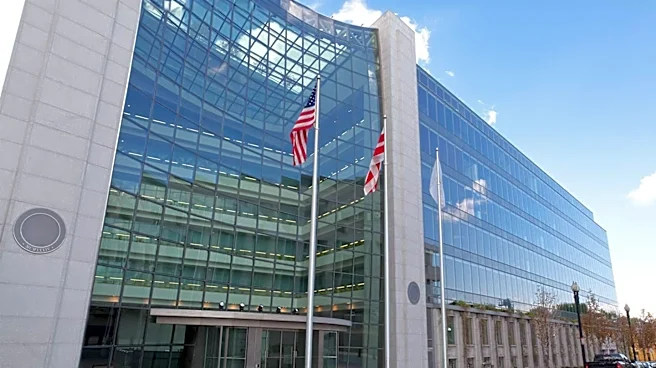
The Federal Communications Commission (FCC) has added foreign-produced connected power inverters to its Covered List, citing national security risks. This decision could significantly impact the availability of portable power stations and residential
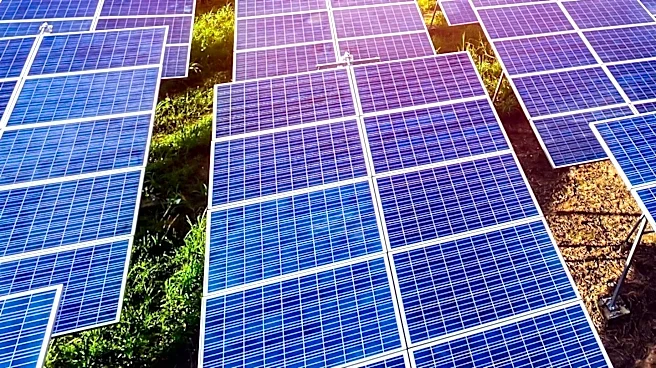
solar systems in the U.S., as these inverters are crucial for converting DC electricity from solar panels and batteries into AC power used in homes. The ruling is part of a broader move by the FCC to regulate connected devices that could pose security threats. The decision has raised concerns among consumers and industry experts about the future availability and affordability of these energy systems, as there is currently no U.S. manufacturer capable of filling the gap left by the ban on foreign inverters.
Why It's Important?
The FCC's decision could have far-reaching implications for the U.S. home energy market, which is increasingly reliant on solar and battery storage systems. By restricting the import of foreign inverters, the ruling may slow the adoption of renewable energy solutions, potentially increasing costs for consumers and hindering efforts to transition to a more sustainable energy grid. The move also highlights ongoing tensions between the U.S. and China, as many of these inverters are manufactured in China. This decision could be seen as part of a broader strategy to bolster domestic manufacturing capabilities, though critics argue it may also be influenced by political motivations.
What's Next?
The FCC's ruling will likely lead to increased scrutiny of connected power inverters and other similar devices. Industry stakeholders may push for clearer guidelines and potential exemptions to ensure the continued growth of the home energy sector. Additionally, there may be calls for increased investment in domestic manufacturing to reduce reliance on foreign technology. Consumers and businesses involved in the renewable energy market will need to monitor developments closely, as the interpretation and implementation of the FCC's decision could evolve over time.