

What's Happening?
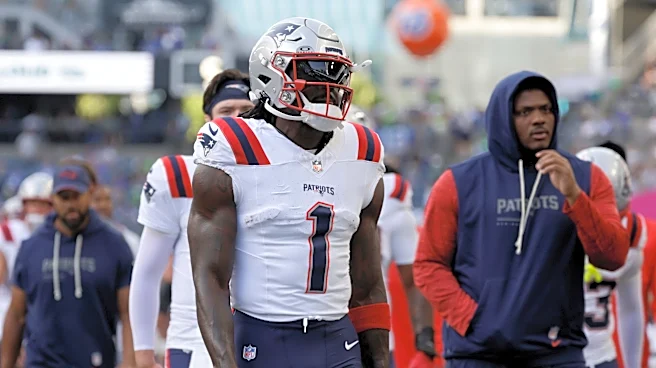
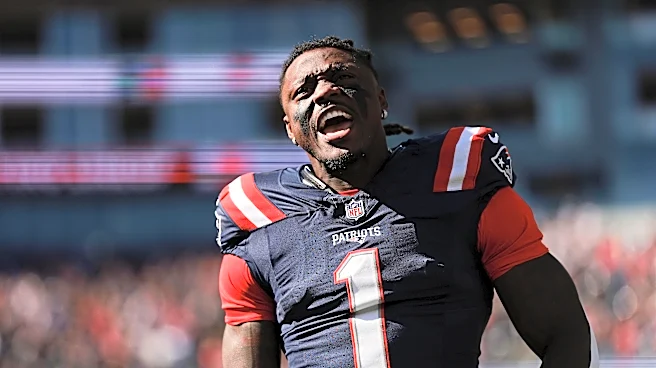
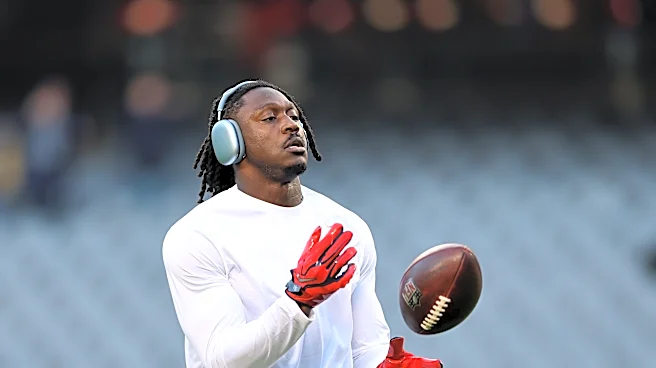
A.J. Brown, wide receiver for the New England Patriots, has been acquired from the Philadelphia Eagles in June for a 2028 first-round pick and a 2027 fifth-round pick. His tenure with the Patriots has been marked by significant struggles, including injuries
and low production. Through Week 10, Brown has recorded only 11 receptions for 128 yards and no touchdowns. This performance has led critics, such as Bill Simmons and Boomer Esiason, to describe the trade as an 'unmitigated disaster.' Brown's current season is his worst by almost every metric, having played in only four games and exhibiting a high drop rate. The trade was initially seen as a move to bolster the Patriots' offense, especially after their Super Bowl appearance, but Brown's output has fallen far short of expectations. His struggles are attributed to a combination of factors, including knee, ankle, and hamstring injuries, and questions about his overall effectiveness without his previous quarterback, Jalen Hurts.
Why It's Important?
The underperformance of A.J. Brown carries significant implications for the New England Patriots and their strategic team building. The trade involved substantial future draft capital—a 2028 first-round pick and a 2027 fifth-round pick—which are crucial assets for long-term team development. If Brown's struggles continue, it represents a misallocation of resources that could hinder the Patriots' ability to acquire other talent or address future roster needs. For the Patriots, who were reportedly aiming to contend for another championship, Brown's lack of impact has contributed to a 'wasted season.' This situation also raises questions about player evaluation and the risks associated with high-profile trades, particularly when a player's performance declines sharply after a move. The Eagles, on the other hand, appear to have made a shrewd move by offloading Brown for valuable draft picks, especially given their own team's struggles this season, which are attributed to other factors like coaching decisions and injuries to key players.
What's Next?
The immediate future for A.J. Brown and the New England Patriots will likely involve a careful assessment of his health and performance. Given his ongoing injury issues (knee, ankle, and hamstring), the team may consider shutting him down for the remainder of the season to allow for full recovery. This approach, if adopted, would aim to preserve his long-term potential, as he is under contract with the Patriots through 2029. The Patriots' front office will need to re-evaluate their offensive strategy and player acquisition methods, especially concerning high-value trades. For the Philadelphia Eagles, the value of the draft picks acquired in the trade will become clearer in the coming years, particularly the 2028 first-round pick, which could be a high selection if the Patriots continue to struggle. The performance of quarterback Drake Maye, who was expected to benefit from Brown's presence, will also be a key factor in the Patriots' future trajectory.
Beyond the Headlines
The A.J. Brown trade saga highlights the complex dynamics of player valuation and the inherent risks in professional sports. Beyond the immediate on-field performance, the situation touches upon the psychological impact of trades on athletes, the pressure to perform under new team expectations, and the role of team chemistry. The narrative also underscores the challenge of predicting a player's future performance, especially when factors like injuries, coaching changes, and team environment come into play. The 'unmitigated disaster' label from critics reflects a broader sentiment about the high stakes involved in NFL transactions and the intense scrutiny placed on both players and front office decisions. This event could influence future trade strategies across the league, prompting teams to conduct even more rigorous evaluations of player health, motivation, and adaptability before committing significant resources.