








What's Happening?
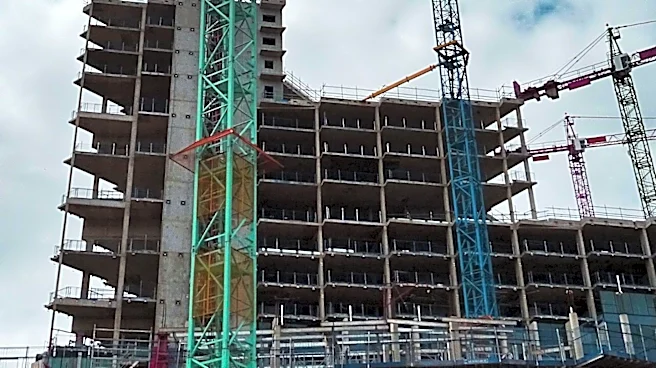
McCarthy Building Companies has commenced construction on a new 12-acre employee learning and training campus in Tempe, Arizona, named the McCarthy Anchor Campus. Scheduled to open in early 2028, this facility is designed to serve over 8,000 salaried
and craft employees across McCarthy's national operations. The campus will feature flexible classrooms, breakout areas, lodging accommodations, wellness facilities, and adaptable outdoor spaces, all within a redevelopment that retains its Frank Lloyd Wright-inspired architectural character. SmithGroup is providing architectural services for the project. This new campus will complement McCarthy's existing Innovation and Craft Workforce Center in Chandler, which focuses on hands-on skills training. The Tempe location, however, will offer broader learning opportunities, combining classroom instruction, digital learning, and hands-on training to enhance both technical capabilities and leadership skills. Pyramid Global Hospitality, through its PyramidWorks division, will manage hospitality and guest services, including lodging, adding conference-management capabilities to the training environment.
Why It's Important?
This significant investment by McCarthy Building Companies underscores the growing importance of structured workforce development within the U.S. construction industry. The sector faces ongoing challenges related to workforce shortages and the need for highly skilled employees in both field and management roles. By establishing a centralized, comprehensive training campus, McCarthy aims to address these needs directly, ensuring a pipeline of skilled professionals and leaders. This initiative can lead to improved project quality, efficiency, and safety across McCarthy's operations nationwide. For the broader construction industry, it highlights a trend towards internal investment in human capital as a strategic imperative for sustained growth and competitiveness. The integration of lodging and hospitality services also suggests a commitment to immersive, extended training programs, which can be particularly beneficial for complex technical and leadership development. This model could influence other large contractors to adopt similar strategies to cultivate their workforces and adapt to evolving project demands.
What's Next?
Construction on the McCarthy Anchor Campus in Tempe, Arizona, is underway, with the facility slated for an early 2028 opening. Over the next few years, McCarthy will continue to develop the campus, integrating its various components including classrooms, lodging, and wellness amenities. Once operational, the campus will begin hosting professional development programs for McCarthy's more than 8,000 employees, focusing on enhancing technical and leadership skills. The partnership with Pyramid Global Hospitality for guest services will also be fully implemented. The success of this campus will likely be evaluated by its impact on employee retention, skill advancement, and overall project performance. It is anticipated that the campus will become a central hub for McCarthy's national training and collaboration efforts, potentially setting a new standard for workforce development infrastructure within the U.S. construction industry.
Beyond the Headlines
This development reflects a broader strategic shift in how major U.S. industries, particularly those facing skilled labor shortages like construction, are approaching talent development. Instead of relying solely on external education or short-term training, companies are investing in dedicated, in-house institutions to cultivate a highly specialized and loyal workforce. This move signifies a recognition that proprietary knowledge, company culture, and leadership philosophies are best instilled through integrated, long-term programs. Furthermore, the inclusion of lodging and wellness amenities points to a holistic view of employee development, acknowledging that well-being and a conducive learning environment are crucial for effective training. This trend could lead to a more vertically integrated approach to human resources, where companies become significant educators and developers of their own talent pools, potentially influencing educational curricula and career pathways in vocational and technical fields across the nation.