



What's Happening?
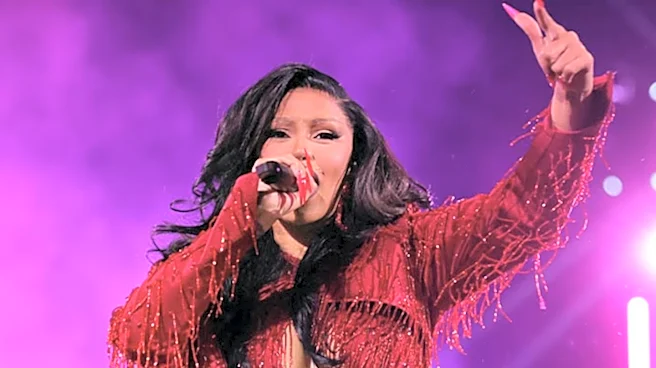
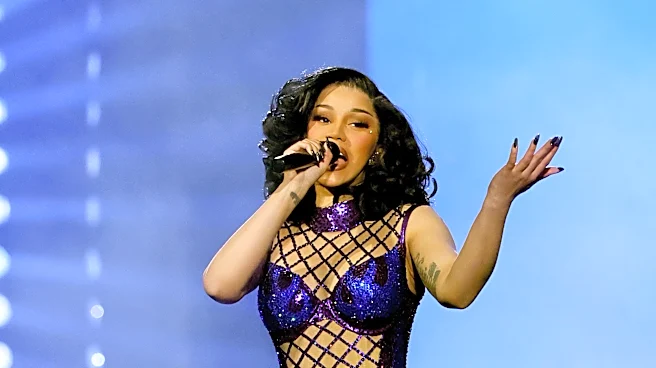
Cardi B, the Grammy-winning American rapper, is embroiled in a financial dispute with the promoter of the BZR WKND festival in Jamaica. The festival's founder and CEO, Ryan Burke, claims Cardi B was paid $2.5 million in full for a performance scheduled
for October 18, which she ultimately canceled. Burke stated his company plans to sue to recover the money and damages. However, Cardi B refutes these claims, asserting she only received $900,000. She alleges that a subsequent payment due by September 17 was delayed, disrupting production plans. A later transfer of $750,000 reportedly arrived after she had already announced her withdrawal, which she claims to have returned. Cardi B maintains that the cancellation was due to the organizers' failure to meet contractual obligations and 'unprofessionalism,' and she intends to keep the initial deposit, threatening to countersue and make supporting evidence public. Her agent, Mike Guirguis of United Talent Agency, publicly supported her account, stating she never received her full fee and the promoter failed on multiple obligations.
Why It's Important?
This dispute highlights the complex financial and contractual challenges within the entertainment industry, particularly concerning high-profile artists and international events. For artists like Cardi B, such disagreements can impact their reputation, future bookings, and financial stability, even for established stars. For promoters, these situations can lead to significant financial losses, legal battles, and damage to their credibility, potentially affecting their ability to attract talent and secure funding for future events. The public nature of this conflict, with both sides making claims, also underscores the importance of clear contractual agreements and timely payments in the music industry. The involvement of a government ministry, which clarified it had no financial commitment to the private commercial event, further emphasizes the need for transparency in event organization and funding, especially when public perception is at stake.
What's Next?
The immediate next steps involve potential legal action, as Ryan Burke's company has indicated plans to sue Cardi B, and Cardi B has threatened a countersuit. Both parties claim to possess evidence, such as text messages and emails, which they may make public to support their respective positions. The BZR WKND festival, despite the controversy, is still planned for December 20, with organizers working on new arrangements. Ticket refunds are being processed, a process that Burke stated will take time. The outcome of any legal proceedings will likely set a precedent for similar disputes in the entertainment industry, particularly regarding artist fees, contractual obligations, and event cancellations. The public will be watching to see if the promised evidence is released and how the legal battle unfolds.
Beyond the Headlines
This incident delves into deeper issues beyond a simple financial disagreement. It exposes the power dynamics between globally recognized artists and event promoters, particularly when international contracts are involved. The differing accounts of payment and contractual adherence raise questions about due diligence, communication, and the enforcement of agreements in the fast-paced entertainment sector. Furthermore, the dispute touches upon the role of public image and reputation management for artists, as Cardi B's decision to publicly address the issue and threaten a countersuit reflects an effort to control the narrative and protect her brand. The situation also implicitly questions the transparency and accountability of event organizers, especially when large sums of money and public trust are involved, and how such disputes can impact the broader ecosystem of live music events.