




What's Happening?
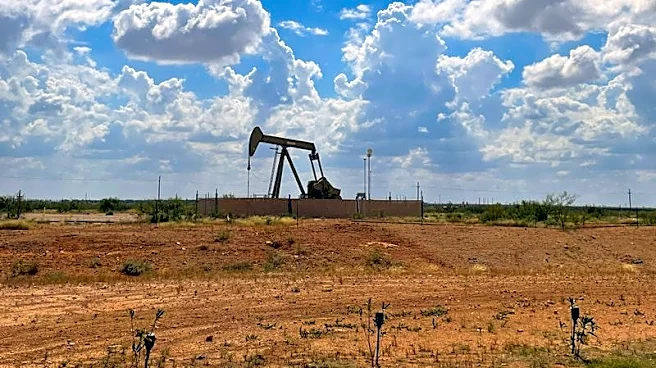
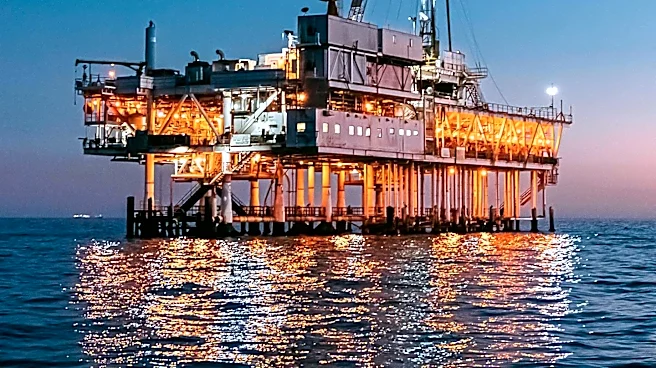
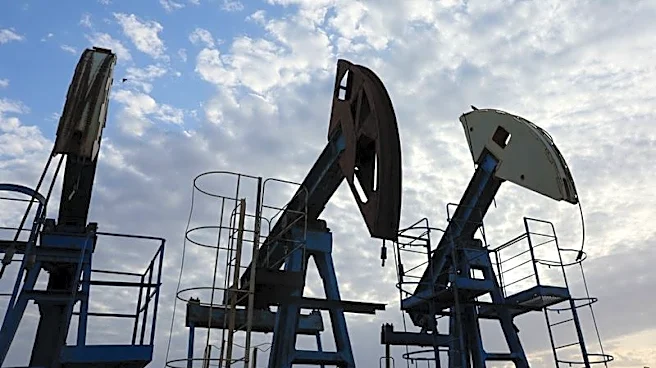
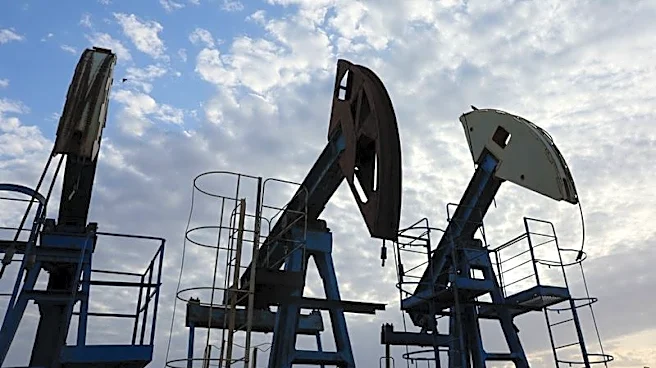
The number of active oil drilling rigs in the United States has increased, with three additional rigs bringing the total to 454, according to the latest data from Baker Hughes. This marks a significant rise from the same period last year, where the count
was 43 rigs lower. Meanwhile, the number of gas rigs decreased by three, totaling 124, which is still one more than last year. The overall rig count in the US remains at 588, reflecting a stable yet growing oil and gas sector. The Energy Information Administration (EIA) reported a slight rebound in US crude oil production, averaging 13.804 million barrels per day, an increase from the previous week and significantly higher than the same period last year. Despite fluctuations in oil prices, with Brent crude trading at $83.55 per barrel, the US oil industry continues to show resilience and growth.
Why It's Important?
The increase in active oil rigs and production levels in the US signifies a robust recovery in the energy sector, which is crucial for the country's economic stability and energy independence. The rise in rig count and production comes amid global market fluctuations and geopolitical tensions that impact oil prices. As the US continues to expand its oil production capabilities, it strengthens its position as a leading energy producer, potentially influencing global oil markets and prices. This growth also has implications for domestic energy policy, job creation in the oil and gas industry, and the broader economic landscape. However, the environmental impact of increased drilling and production remains a concern, highlighting the ongoing debate between energy development and environmental sustainability.
What's Next?
The US oil industry is likely to continue its expansion, with potential increases in rig counts and production levels as companies capitalize on favorable market conditions. However, the industry must navigate challenges such as fluctuating oil prices, regulatory changes, and environmental concerns. The Biden administration's energy policies, which emphasize a transition to renewable energy sources, may also influence the future trajectory of the oil and gas sector. Companies may need to balance short-term gains from increased production with long-term strategies for sustainability and compliance with environmental regulations. Additionally, global events, such as geopolitical tensions and OPEC's production decisions, will continue to impact the US oil market.