





What's Happening?
Philippe Laffont, head of Coatue Management, has highlighted Meta Platforms and Intel as two companies poised to significantly benefit from the emerging 'agentic AI' era. Laffont, known for identifying major technology trends, presented a bullish case
for agentic AI in his latest investor update. Agentic AI refers to AI agents capable of completing tasks for users, a technology he believes will be transformative. Coatue Management has increased its stake in both companies, boosting its Meta position by 79% in the third quarter, making it 6% of the hedge fund’s public equity portfolio. For Intel, Coatue initiated a position of over 12 million shares in the second quarter and added 3.6 million more last quarter, viewing the recent stock pullback as a buying opportunity. Meta's consumer AI agent, Muse, launched in September, quickly garnered 10 million users, demonstrating early success in the agentic AI space.
Why It's Important?
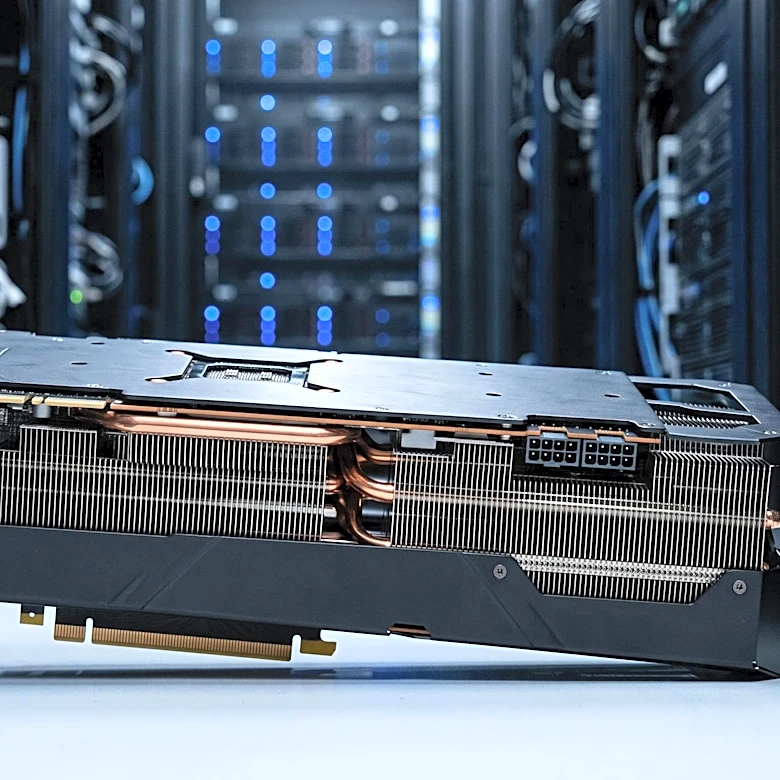
This identification by a prominent investor like Philippe Laffont underscores a significant shift in the technology landscape and its potential impact on major U.S. companies. For Meta Platforms, the transition from monetizing attention to monetizing intent through agentic AI could unlock substantial new revenue streams, potentially exceeding its current advertising revenue. Laffont estimates agentic AI commerce could reach $2.5 trillion in global gross merchandise volume by 2031, with a 10% take rate for AI agents translating to $250 billion in potential revenue. For Intel, the rise of agentic AI signals a crucial shift in hardware demand. While AI training has historically relied heavily on GPUs, agentic AI processes, which involve determining and executing task steps, require a greater balance of CPUs. This could significantly boost the server CPU market, with Coatue analysts projecting the total addressable market to climb from $40 billion in 2026 to $300 billion in 2031, positioning Intel to gain substantially despite competition.
What's Next?
The increased investment by Coatue Management in Meta Platforms and Intel suggests a growing confidence in their future performance within the agentic AI sector. For Meta, continued success and expansion of its Muse AI agent will be critical in demonstrating its ability to monetize intent effectively. Investors will be watching for further developments in Meta's AI commerce initiatives and how these contribute to its overall revenue growth. For Intel, the focus will be on its ability to capitalize on the anticipated surge in CPU demand for agentic AI data centers. Its progress in competing with other chipmakers in the server CPU market and its capacity to meet this demand will be key indicators. The market will also observe if other major investors follow Coatue's lead, potentially driving further investment into these companies as the agentic AI era unfolds.
Beyond the Headlines
The strategic shift towards agentic AI highlighted by Coatue Management points to a broader transformation in how technology interacts with daily life and commerce. This evolution could redefine user engagement, moving beyond passive consumption of content to active task completion facilitated by AI. For Meta, this represents a fundamental reorientation of its business model, potentially mitigating its reliance on advertising revenue and diversifying its income streams. For Intel, it signifies a renewed importance for CPUs in the AI ecosystem, challenging the GPU-centric narrative that has dominated recent AI discussions. This could lead to significant R&D investments in CPU technology tailored for agentic AI workloads across the industry, fostering innovation and competition among chip manufacturers. The ethical implications of AI agents handling personal tasks and transactions will also become increasingly prominent, necessitating robust regulatory frameworks and privacy considerations.