





What's Happening?
The University of Tennessee Extension’s Center for Profitable Agriculture hosted a tour titled 'Exploring Agritourism for Your Farm: On-Farm Insights,' funded by the USDA Southeast Dairy Business Innovation Initiative. Annie Scott from the Center for Crop
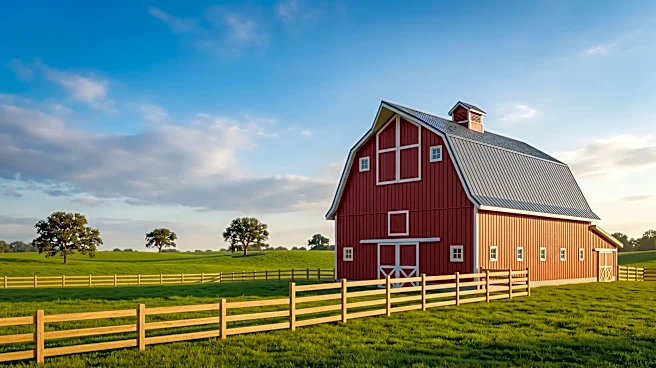
Diversification (CCD) attended this event, which focused on how agritourism can serve as an alternative revenue stream for farms. The tour visited three Western Kentucky agritourism operations: Chaney’s Dairy Barn, Kenny’s Farmhouse Cheese, and Jackson’s Orchard & Nursery. Each farm demonstrated unique approaches to agritourism, with farmers sharing their expertise. A key takeaway highlighted the importance of seeking inspiration from farms outside one's immediate region when developing an agritourism vision. The program underscored that agritourism can fulfill various business objectives, from generating significant foot traffic for farm stores to utilizing short-term rentals to cover farm utilities. Notably, none of the visited farms operated Community Supported Agriculture (CSAs) or traditional farmers market stands, but all maintained a wholesale market. Carl Chaney of Chaney’s Dairy Barn specifically mentioned their farm-to-school milk contract as a way to express farm values and enhance brand awareness among younger audiences.
Why It's Important?
This initiative is important for the U.S. agricultural sector as it addresses the economic pressures faced by farmers, particularly the 'get big or get out' dilemma. By exploring agritourism, the program offers viable strategies for farm diversification and increased profitability, which can help sustain smaller and mid-sized family farms. The USDA's funding of such programs indicates a recognition of agritourism's potential to bolster rural economies and provide alternative income sources beyond traditional farming. For consumers, the growth of agritourism can lead to more direct access to farm products, educational experiences about agriculture, and support for local food systems. The emphasis on wholesale markets alongside agritourism suggests a hybrid business model that could strengthen the financial resilience of farms. Furthermore, initiatives like Chaney’s farm-to-school milk contract demonstrate how agritourism can extend beyond direct visitor engagement to include community partnerships and brand building, fostering a deeper connection between farms and the public.
What's Next?
Following the insights gained from this tour, it is likely that more farmers will consider integrating agritourism into their business models, potentially leading to an increase in agritourism operations across the U.S. The University of Tennessee Extension and similar agricultural centers may develop further resources, workshops, and tours to disseminate these best practices. The USDA Southeast Dairy Business Innovation Initiative's continued funding suggests ongoing support for innovative agricultural practices, which could lead to more grants and programs aimed at farm diversification. Farmers who attended or learn about the tour's findings may seek out similar inspirational tours in other regions or states to refine their agritourism strategies. Additionally, the success stories highlighted, such as the farm-to-school milk contract, could encourage other farms to explore similar community engagement and marketing initiatives, potentially expanding the reach and impact of local agricultural products.
Beyond the Headlines
The exploration of agritourism goes beyond mere economic diversification; it represents a broader shift in how farms interact with society and the environment. Ethically, agritourism can foster greater transparency in food production, allowing consumers to understand the origins of their food and the challenges farmers face. This direct engagement can build trust and appreciation for agricultural labor. Culturally, agritourism helps preserve rural landscapes and traditions by providing economic incentives for land stewardship and maintaining family farms. It also offers educational opportunities, bridging the gap between urban and rural populations and promoting agricultural literacy. The focus on alternative revenue streams like agritourism reflects a long-term trend towards more sustainable and resilient agricultural systems, moving away from monoculture and towards diversified, community-integrated farming. This approach could lead to a more robust and adaptable agricultural sector in the face of economic fluctuations and environmental changes.