






What's Happening?
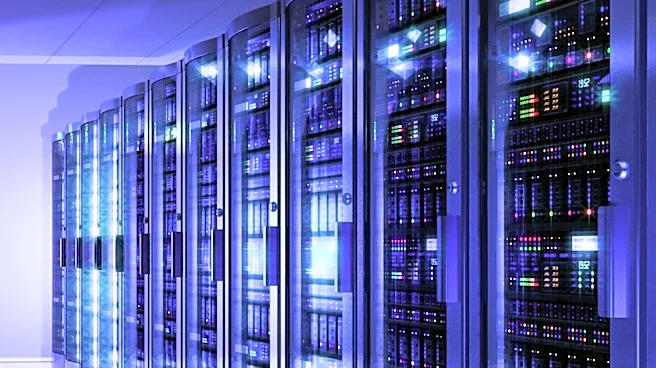
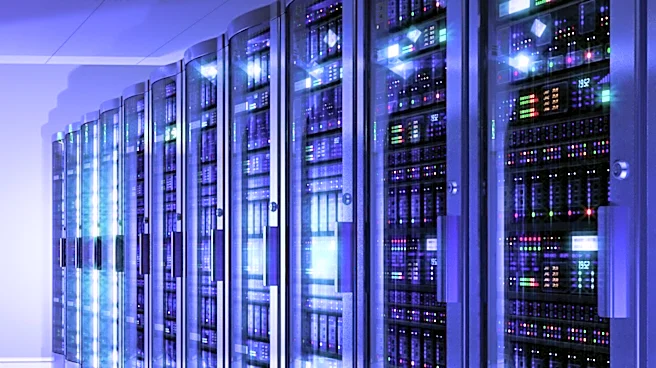
The rapid expansion of data centers, primarily driven by artificial intelligence, is projected to significantly increase their share of U.S. electricity consumption. By 2035, data centers could account for up to 20% of total U.S. electricity use, a substantial
rise from the current 4-5%. This growth is fueled by the increasing demand for advanced computing infrastructure, despite efficiency gains in AI models. The Lawrence Berkeley National Laboratory and other research bodies have provided projections indicating a steep rise in electricity demand from data centers, necessitating a reevaluation of energy strategies, including the potential role of nuclear power.
Why It's Important?
The anticipated surge in electricity demand from data centers poses significant challenges and opportunities for the U.S. energy sector. As data centers become a major driver of electricity consumption, there is an urgent need to balance this growth with sustainable and reliable energy sources. Nuclear power is highlighted as a critical component in meeting these demands due to its ability to provide consistent, carbon-free baseload power. The expansion of data centers also underscores the importance of modernizing the U.S. energy grid and addressing regulatory and infrastructure bottlenecks to support this growth sustainably.
What's Next?
To accommodate the projected increase in electricity demand, there is a pressing need for policy support and infrastructure development, particularly in nuclear energy. The tech industry is already investing in nuclear power, with major companies securing power purchase agreements and exploring co-location with power plants. Policymakers and regulators must expedite permitting processes and support advanced nuclear deployment to ensure that data center growth does not compromise energy reliability or climate goals. Without these measures, the U.S. risks facing energy shortages or increased reliance on fossil fuels, which could hinder technological competitiveness.