









What's Happening?
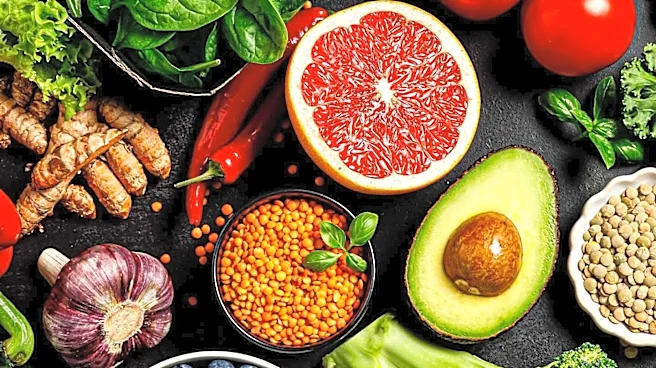
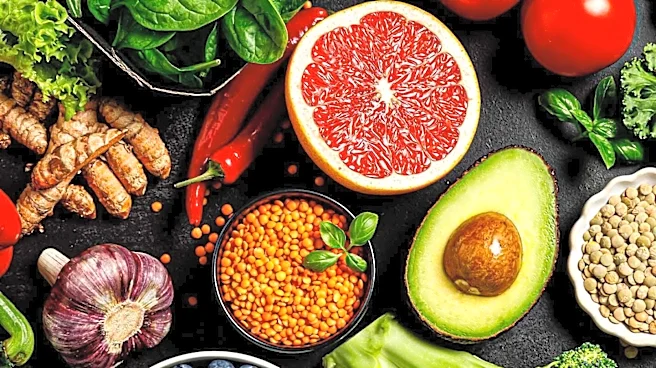
A Mediterranean diet, characterized by its rich inclusion of plants, whole grains, legumes, nuts, seeds, herbs, and spices, is being highlighted for its potential to improve gut health. This dietary pattern is associated with an increase in bacteria that
produce short-chain fatty acids, which are beneficial for gut health, and is also recognized for its anti-inflammatory properties. The diet typically limits red and processed meats, refined carbohydrates, and ultra-processed foods, favoring instead olive oil, oily fish, fruits, and vegetables. While generally considered a healthy eating pattern, individuals who are pregnant, have existing health conditions, or are taking medications are advised to consult with a clinician or registered dietitian before making significant dietary changes or incorporating live-bacteria products. This recommendation stems from the potential for interactions with medications and various health conditions, ensuring that any dietary modifications are safe and appropriate for their specific circumstances.
Why It's Important?
The emphasis on the Mediterranean diet for gut health carries significant implications for public health and individual well-being. Improved gut health is linked to a range of positive health outcomes, including better digestion, enhanced immune function, and reduced inflammation, which can mitigate the risk of chronic diseases. For the U.S. population, where diets often lean towards processed foods, promoting a Mediterranean eating pattern could lead to a reduction in diet-related illnesses and associated healthcare costs. The caution specifically for pregnant individuals underscores the critical need for personalized medical advice during vulnerable life stages, highlighting that general health recommendations may not apply universally. This also impacts the healthcare industry, as clinicians and dietitians play a crucial role in guiding patients through dietary changes, especially when potential risks or interactions exist, thereby reinforcing the importance of professional medical consultation over self-prescription of dietary interventions.
What's Next?
Moving forward, increased public awareness campaigns and educational initiatives are likely to promote the benefits of the Mediterranean diet for gut health. Healthcare providers may integrate these dietary recommendations more frequently into patient counseling, particularly for those seeking to improve overall health or manage inflammatory conditions. For pregnant individuals, the emphasis will remain on personalized dietary guidance from clinicians, potentially leading to more tailored nutritional plans that consider individual health profiles and potential risks. Research may also continue to explore the specific mechanisms through which the Mediterranean diet impacts gut microbiota and its broader health implications, potentially leading to more refined dietary guidelines. Food manufacturers might also respond by offering more products aligned with Mediterranean dietary principles, such as whole-grain options, plant-based proteins, and olive oil-based products, to meet growing consumer demand for healthier food choices.
Beyond the Headlines
Beyond the immediate health benefits, the promotion of the Mediterranean diet touches upon broader cultural and economic shifts. Culturally, it encourages a return to more traditional, whole-food-based eating patterns, moving away from the convenience-driven, processed food culture prevalent in many parts of the U.S. This shift could foster greater culinary diversity and appreciation for fresh, seasonal ingredients. Economically, it could boost demand for agricultural products central to the Mediterranean diet, such as fruits, vegetables, legumes, and olive oil, potentially impacting agricultural practices and food supply chains. There are also ethical considerations regarding equitable access to these healthier food options, as fresh produce and high-quality ingredients can be more expensive and less accessible in certain communities. Addressing these disparities will be crucial to ensure that the health benefits of such dietary recommendations are available to all segments of the population, promoting a more inclusive approach to public health.