






What's Happening?
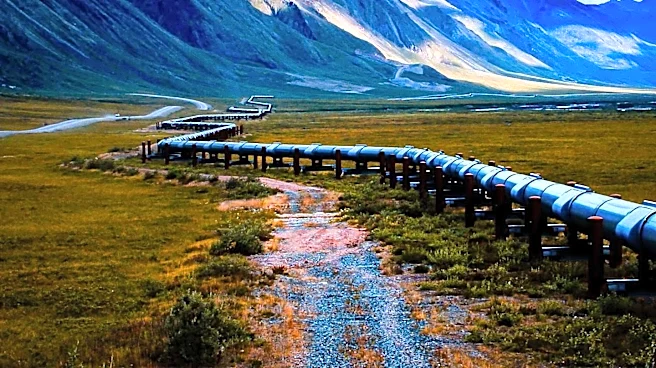
The Alaska Gasline Development Corp. (AGDC), a state-owned entity, plans to request additional funding from the Alaska State Legislature in 2027 to continue its pursuit of a proposed trans-Alaska natural gas pipeline. Frank Richards, AGDC's president,
stated that the corporation will seek $2.5 million from state lawmakers next year. This funding is intended for a previously announced program designed to allow Alaskans to invest in the pipeline project. Richards' announcement was made during a board of directors meeting, the first since the Alaska House rejected a compromise tax-cut bill aimed at advancing the latest version of the pipeline project. The compromise bill would have reduced the state's petroleum property tax for the pipeline and its infrastructure, replacing it with a tax on gas transported through the pipeline, and would have imposed a corporate income tax on some private oil and gas producers. Governor Mike Dunleavy opposed the proposed tax increase, as did many members of the House, leading to an impasse that ultimately killed the bill. Glenfarne, a Texas-based development company, currently owns 75% of the project, with AGDC owning the remaining 25%.
Why It's Important?
This development is significant for Alaska's energy sector and its long-standing efforts to commercialize natural gas from the North Slope. The proposed trans-Alaska pipeline project represents a substantial infrastructure undertaking that could unlock vast natural gas reserves, potentially providing a new revenue stream for the state and creating jobs. The project's advancement is crucial for diversifying Alaska's economy, which has historically been heavily reliant on oil production. The involvement of a Texas-based company, Glenfarne, highlights the interstate collaboration and investment required for such large-scale energy projects. The legislative impasse over the tax-cut bill underscores the political and economic challenges inherent in developing major energy infrastructure, particularly concerning balancing state revenue needs with incentives for private investment. The AGDC's continued pursuit of funding in 2027, despite previous legislative setbacks, indicates the state's persistent commitment to the project, which could have long-term implications for energy supply and economic stability in the region.
What's Next?
The AGDC will formally approach the Alaska State Legislature in 2027 to request the $2.5 million in additional funding. This request will coincide with a new administration and a newly elected legislature taking office in Alaska, which could influence the political landscape for the project. AGDC President Frank Richards expressed hope that the new legislative bodies will consider tax relief measures for the project. The success of this funding request will be critical for the AGDC's program to allow Alaskans to invest in the pipeline. The project's future will depend on the willingness of the new legislative and executive branches to support the pipeline, potentially through new tax agreements or other incentives. The ongoing collaboration with Glenfarne, the Texas-based development company, will also be a key factor in the project's progression. Further discussions and negotiations regarding the project's financial structure and regulatory framework are anticipated as AGDC continues to seek its realization.
Beyond the Headlines
The persistent efforts to develop the trans-Alaska natural gas pipeline reflect a broader national and global energy strategy focused on securing diverse energy sources and enhancing energy independence. For Alaska, the project carries significant implications beyond immediate economic benefits, touching upon issues of resource management, environmental impact, and indigenous community engagement. The debate over tax structures for such projects highlights the tension between attracting private investment and ensuring fair returns for the state's natural resources. The project's long history, with proposals dating back to the 1970s, underscores the complex challenges of large-scale energy infrastructure development, including fluctuating market conditions, technological advancements, and evolving environmental regulations. The potential for Alaskans to invest directly in the pipeline could foster greater public ownership and support for the project, but also raises questions about risk and return for individual investors. The outcome of AGDC's renewed efforts will not only shape Alaska's energy future but also serve as a case study for other states considering similar large-scale energy initiatives.