
What's Happening?
The U.S. beef industry is undergoing a structural shift, potentially moving towards a system that can maintain or even increase beef tonnage with a smaller overall cattle herd. This change is largely driven
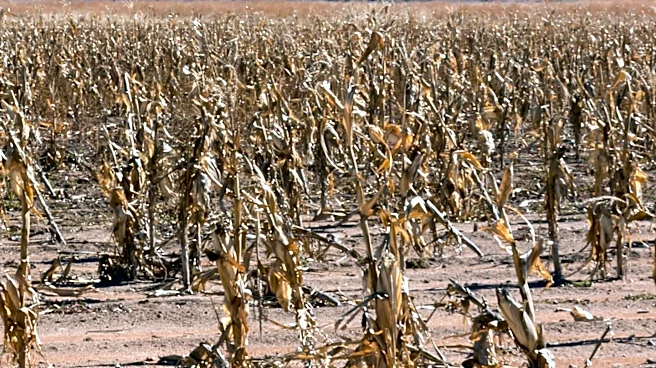
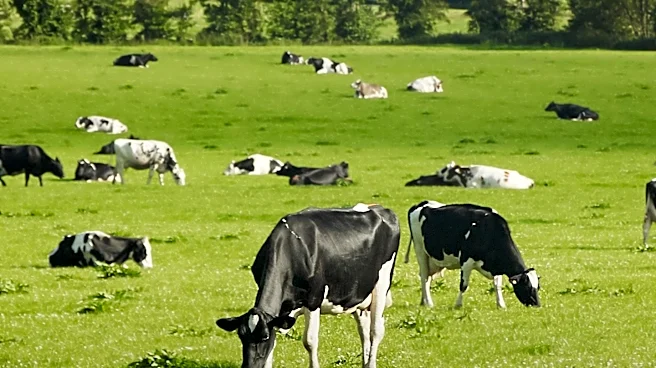
by the growing trend of beef-on-dairy cattle and increasing slaughter weights. According to Wesley Davis, a partner with Meridian Agribusiness Advisors, beef-on-dairy cattle now constitute approximately 20 percent of the calf and beef supply, with further growth anticipated. Davis also projects a continued rise in slaughter weights, which helps to offset the impact of limited cattle numbers. This adaptation suggests that the current cattle cycle is extending beyond previous patterns, indicating broader changes in how cattle are raised and supplied within the industry. For producers, factors like forage availability are becoming increasingly crucial, as drought and hay supplies are identified as major constraints on retaining females and rebuilding cattle inventories.
Why It's Important?
This evolving dynamic is significant for the U.S. beef industry as it suggests a pathway to sustained beef output despite challenges in herd rebuilding. If the industry can produce more beef per animal, it could alleviate some pressure on cattle numbers and potentially stabilize supply, which has implications for both producers and consumers. For producers, this means that profitability might be maintained even with fewer head, provided that the market supports heavier weights and the integration of beef-on-dairy genetics. For consumers, it could mean a more consistent supply of beef, potentially influencing prices. This shift also highlights the industry's adaptability and innovation in response to environmental and economic pressures, such as drought and the need for efficiency. Understanding these structural changes is crucial for policymakers, investors, and stakeholders to make informed decisions about the future of the U.S. beef supply chain.
What's Next?
The trend of increasing beef-on-dairy cattle and heavier slaughter weights is expected to continue, further reshaping the U.S. beef supply chain. This will likely lead to ongoing adjustments in how feedlots and processors manage capacity, as they may need to handle fewer individual animals but with greater average carcass weights. Research and development in genetics and feed efficiency will become even more critical to maximize beef production from the existing cattle population. The industry will also need to address the challenges of forage availability and water resources, which are key constraints for ranchers looking to retain females and expand herds. The long-term implications include a potential redefinition of what constitutes a 'healthy' cattle herd size, focusing more on total beef output rather than just head count. This structural change could also influence trade policies and the competitive landscape of the global beef market.
Beyond the Headlines
This shift in the beef industry points to a broader trend in agriculture towards maximizing efficiency and output from existing resources, often driven by technological advancements and economic pressures. The integration of beef-on-dairy genetics represents a creative solution to optimize production across different agricultural sectors. However, it also raises questions about the long-term sustainability of such intensive production methods, including potential impacts on animal welfare, environmental footprint, and the genetic diversity of cattle breeds. The reliance on heavier slaughter weights could also influence consumer preferences and the types of beef products available in the market. This evolution underscores the complex interplay between agricultural practices, market demands, and environmental considerations, suggesting that the future of food production will increasingly involve innovative, and sometimes unconventional, approaches to resource management and output optimization.