







What's Happening?
The construction industry is placing a significant emphasis on burn prevention, recognizing it as a common and serious risk for workers. With over 40,000 hospitalizations annually due to burns, a substantial number of which occur in the workplace, comprehensive
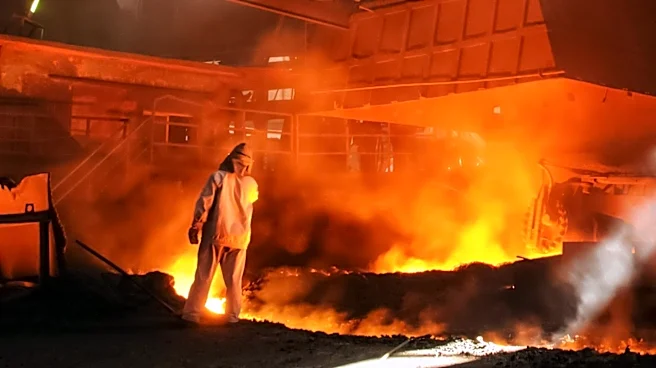
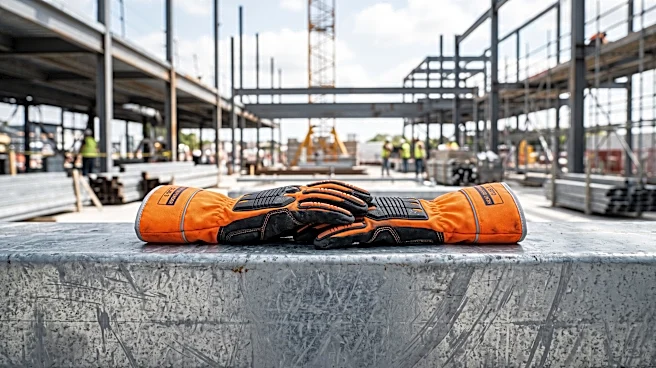
safety training is crucial. The Raken platform highlights the importance of understanding the three main types of burns: thermal, chemical, and electrical. Thermal burns result from contact with hot surfaces, fire, or liquids; chemical burns from exposure to strong acids or corrosives; and electrical burns from current passing through the body. Prevention strategies include eliminating heat sources, using proper personal protective equipment (PPE), substituting dangerous chemicals, blocking hazardous areas, and implementing safe work practices around electricity, such as inspecting tools and using lock-out/tag-out procedures.
Why It's Important?
Burn injuries in the construction sector pose significant risks to worker health and safety, leading to severe physical harm, long-term disability, and even fatalities. For U.S. construction companies, these incidents result in substantial financial burdens, including medical costs, lost workdays, increased insurance premiums, and potential legal liabilities. Effective burn prevention programs are vital for protecting the workforce, ensuring project continuity, and maintaining regulatory compliance. By proactively educating workers on burn hazards and prevention techniques, companies can reduce the incidence of accidents, improve overall safety records, and foster a culture of vigilance. This commitment to safety not only safeguards employees but also enhances a company's reputation and operational efficiency.
What's Next?
The construction industry is expected to continue investing in advanced safety training and technologies to mitigate burn risks. This includes the development of more sophisticated PPE, improved hazard identification systems, and digital tools for safety management and incident reporting. There will likely be a greater focus on integrating safety protocols into daily operations and leveraging data analytics to identify high-risk areas and activities. Furthermore, regulatory bodies may introduce updated guidelines or enforcement measures to ensure stricter adherence to burn prevention standards. The ongoing goal is to create safer work environments through continuous education, technological innovation, and a proactive approach to risk management, ultimately aiming for a significant reduction in workplace burn injuries.
Beyond the Headlines
Beyond the immediate safety and financial implications, burn prevention in construction reflects a broader societal commitment to worker well-being and ethical labor practices. The severe and often life-altering nature of burn injuries underscores the moral responsibility of employers to prioritize safety above all else. Effective prevention programs contribute to a more humane work environment, where workers feel valued and protected. This focus also has long-term societal benefits, reducing the strain on healthcare systems and supporting the economic stability of families affected by workplace injuries. By fostering a culture where safety is paramount, the construction industry can enhance its public image and attract a skilled workforce, demonstrating a commitment to both productivity and human dignity.