







What's Happening?
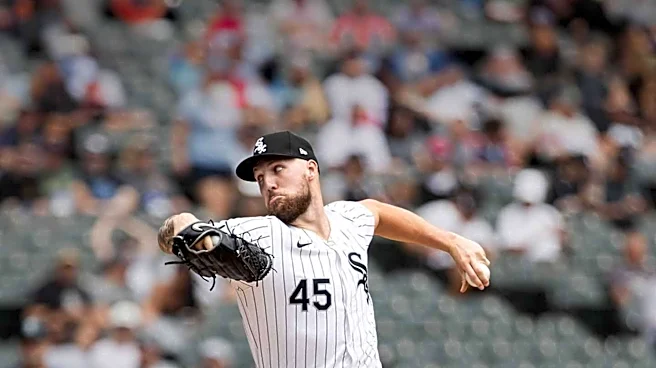
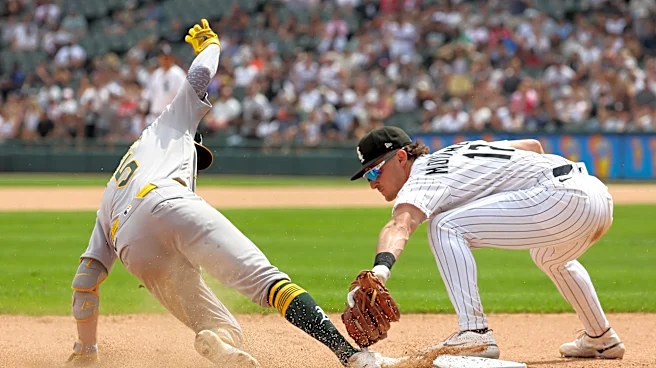
The Chicago White Sox secured a decisive 14-1 victory over the Oakland Athletics in the opening game of their series. This win allowed the White Sox to break their own losing streak while exacerbating the Athletics' struggles, who are now on a seven-game
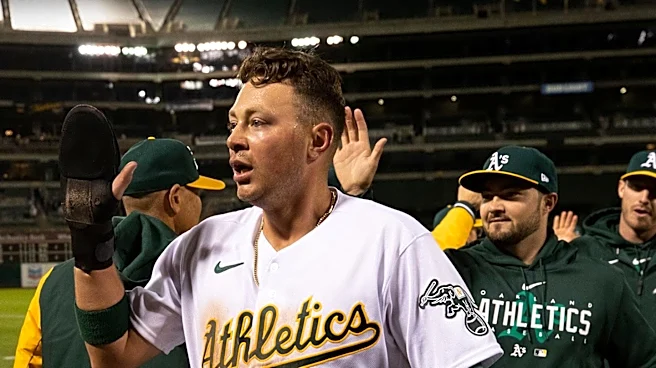
losing streak. The Athletics, managed by Mark Kotsay, are facing significant challenges, including injuries to key players like Nick Kurtz, who is out with a right thumb capsule sprain. This injury not only affects the team's current performance but also sidelines Kurtz from the upcoming All-Star Game. The Athletics are looking to rebound in the second game of the series, with rookie pitcher Gage Jump set to start. Jump, who has shown promise in his early career, will face the White Sox's Bryan Hudson and Erick Fedde in an attempt to halt the Athletics' losing streak.
Why It's Important?
The outcome of this series is crucial for both teams as they approach the All-Star break. For the White Sox, maintaining momentum with another win could help solidify their position in the league standings and boost team morale. Conversely, the Athletics are in a precarious position, needing to end their losing streak to remain competitive in the American League playoff race. The injuries plaguing the Athletics, particularly to key players like Nick Kurtz, highlight the team's vulnerability and the impact of player health on team performance. The series also serves as a critical test for rookie pitcher Gage Jump, whose performance could influence his role in the team's future pitching rotation.
What's Next?
The Athletics will need to strategize effectively to avoid a series sweep and regain their footing in the league. With Gage Jump on the mound, the team hopes to leverage his potential to secure a win. The White Sox, on the other hand, will aim to capitalize on their recent success and continue their winning streak. The performance of both teams in this series could have implications for their strategies post-All-Star break, particularly in terms of player rotations and addressing injury-related challenges.