




What's Happening?
Patsy Montana, a prominent 'singing cowgirl' of the 1930s, made history with her 1935 single, 'I Wanna Be a Cowboy's Sweetheart,' becoming the first song written and performed by a woman in country music to sell a million copies. This achievement predates
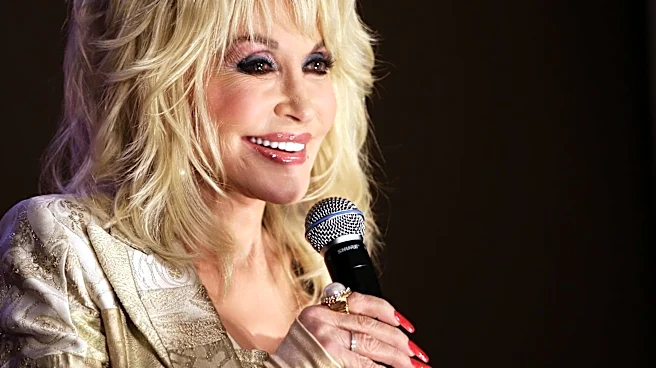
Dolly Parton's rise to fame by approximately three decades. Montana, whose birth name was Ruby Blevins, developed her persona as Patsy Montana after performing as 'Rubye Blevins, the Yodeling Cowgirl from San Antone.' She joined the Prairie Ramblers in 1933 and gained national exposure through Chicago radio's 'National Barn Dance,' which was also broadcast by NBC. The song, 'I Wanna Be a Cowboy's Sweetheart,' was inspired by 'Texas Plains,' a piece by her former boss, Stuart Hamblen, and explored themes of female independence alongside the desire for love.
Why It's Important?
Patsy Montana's groundbreaking success with 'I Wanna Be a Cowboy's Sweetheart' is a significant milestone in American music history, particularly for women in country music. Achieving a million sales in 1935, a time when the music industry was vastly different and less accessible for female artists, underscores her immense popularity and influence. This accomplishment paved the way for future generations of female country singers and songwriters, demonstrating the commercial viability and artistic depth of women's contributions to the genre. Her song's themes of independence resonated with audiences, reflecting evolving societal roles for women. This historical precedent highlights the long-standing impact of female artists in shaping the cultural landscape of the United States and challenging traditional gender norms within the entertainment industry.
What's Next?
While Patsy Montana's historic achievement is a past event, its legacy continues to influence contemporary discussions about gender equality and representation in music. The recognition of her pioneering role encourages further exploration and celebration of early female artists who broke barriers in various music genres. Future analyses of country music history will likely continue to highlight Montana's contribution as a foundational moment for women in the industry. Her story serves as an inspiration for emerging female artists and reinforces the importance of acknowledging the historical figures who shaped the music landscape.
Beyond the Headlines
Patsy Montana's story extends beyond mere sales figures; it represents a cultural shift in how female artists were perceived and consumed in the early 20th century. Her 'singing cowgirl' persona, combining traditional Western imagery with a strong, independent female voice, contributed to the development of archetypes within country music. The song's enduring appeal and its status as a million-seller also reflect the power of radio as a medium for national cultural dissemination during that era. Montana's ability to connect with audiences through her songwriting and performance speaks to the universal themes she explored, which continue to resonate today. Her work provides valuable insight into the intersection of gender, music, and popular culture in American history.