



What's Happening?
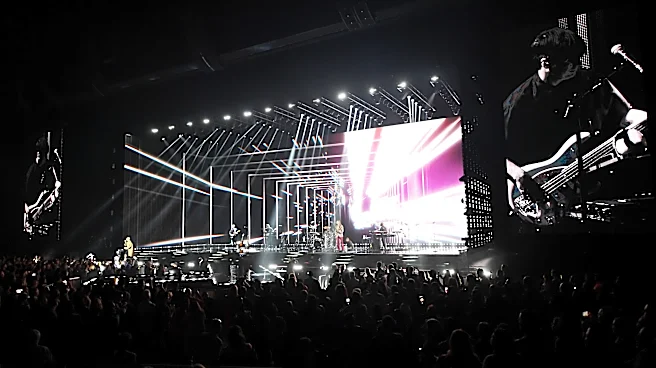
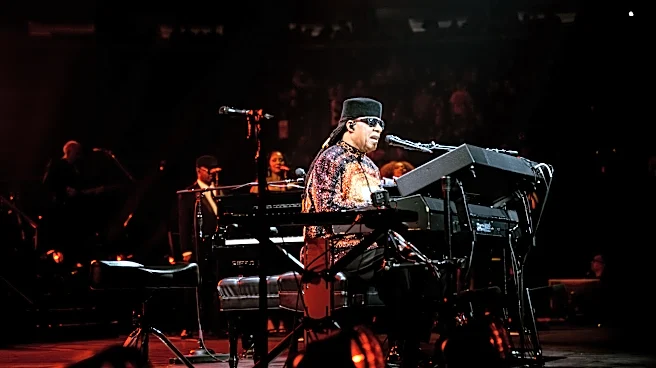
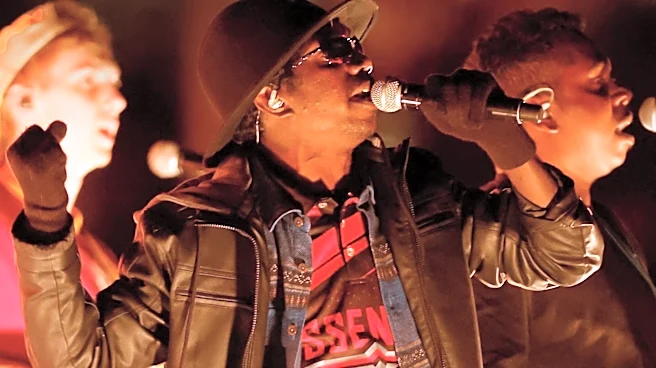
Music legend Stevie Wonder recently addressed persistent rumors regarding his vision during a concert, directly confronting speculation that he can actually see despite being blind since shortly after birth. Wonder, who is 76, developed permanent vision loss
approximately six weeks after his birth due to an eye condition linked to his premature delivery. During his performance, he humorously challenged the audience, stating, 'If you believe I can really drive or really see, get in the car with me and we’ll see what happens to us at the end.' This public statement comes after years of jokes and more serious speculation, fueled by various anecdotes, including comedian Anthony Anderson's claim that 'Stevie can see, it’s just an act,' and basketball great Shaquille O’Neal's story of Wonder recognizing him in an elevator. Wonder himself has occasionally played into the speculation, once telling TMZ in 2017, 'This year, I will reveal the truth.'
Why It's Important?
Stevie Wonder's decision to directly address the rumors about his vision is significant as it reclaims his narrative and clarifies a long-standing public misconception. For decades, these rumors, whether humorous or serious, have been a part of his public persona, sometimes overshadowing his immense musical contributions. By confronting the speculation head-on, Wonder asserts his truth and reinforces the reality of his disability, which has profoundly shaped his unique perspective and artistic expression. This act can also serve to educate the public about the realities of living with blindness, moving beyond sensationalized anecdotes to a more authentic understanding. It underscores the challenges public figures face in managing their image and personal story amidst widespread speculation, and highlights the importance of empathy and factual accuracy in public discourse.
What's Next?
Stevie Wonder's public clarification regarding his vision is likely to put to rest, or at least significantly diminish, the long-standing rumors. While some anecdotal stories may persist, his direct and humorous approach provides a definitive statement from the artist himself. This could lead to a shift in public perception, encouraging a focus on his musical legacy and his profound insights rather than on speculative theories about his physical condition. It may also inspire other public figures to address similar personal narratives that have been distorted by public rumor. For Wonder, this moment allows him to continue his career with a clearer public understanding of his life experiences, potentially fostering deeper connections with his audience.
Beyond the Headlines
The persistent rumors about Stevie Wonder's vision, despite clear medical facts, reveal a broader societal tendency to sensationalize and sometimes disbelieve the experiences of individuals with disabilities, especially those who achieve extraordinary success. The anecdotes shared by celebrities, while often intended humorously, contribute to a narrative that can undermine the lived reality of disability. Wonder's response, particularly his statement about seeing the world 'in the vision of truth, of sight' and people 'in the spirit of them,' offers a powerful philosophical insight. It highlights how his blindness has shaped a unique perspective, allowing him to perceive deeper truths beyond superficial appearances. This ethical dimension underscores the importance of respecting individual experiences and challenging preconceived notions about disability, promoting a more inclusive and understanding society.