






What's Happening?
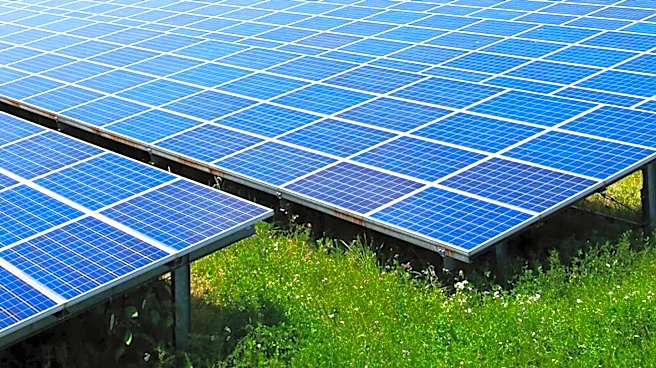
SADAFCO (Saudia Dairy & Foodstuff Company) has announced a commitment to achieving net-zero emissions by 2060 and transitioning to a zero-emission fleet by 2045. These sustainability goals are aligned with Saudi Arabia’s Vision 2030. The company's efforts
include expanding its on-site solar power capacity, with three plants already operational and nine more planned for future implementation. Additionally, SADAFCO is focused on reducing water consumption across its operations. The company emphasizes that sustainability is deeply integrated into all aspects of its business, reflecting a broader corporate responsibility towards environmental stewardship.
Why It's Important?
While SADAFCO is based in Saudi Arabia, its ambitious sustainability commitments reflect a global trend among major corporations to address climate change and reduce environmental impact. For U.S. businesses, this highlights the increasing pressure and expectation from consumers, investors, and governments to adopt similar long-term environmental goals. SADAFCO's focus on transitioning to a zero-emission fleet by 2045 and expanding solar power infrastructure demonstrates practical steps towards decarbonization that could serve as benchmarks or inspiration for U.S. companies in the logistics and manufacturing sectors. The emphasis on reducing water consumption is also a critical consideration for U.S. industries, particularly in regions facing water scarcity. This commitment underscores the growing importance of Environmental, Social, and Governance (ESG) factors in corporate strategy, influencing investment decisions and market competitiveness globally, including in the U.S.
What's Next?
SADAFCO will proceed with the implementation of its sustainability roadmap, including the construction of nine additional solar power plants and the gradual transition of its vehicle fleet to zero-emission alternatives. The company will likely continue to invest in technologies and processes that reduce water usage and overall operational emissions. Regular reporting on progress towards its 2045 and 2060 targets will be expected by stakeholders. This commitment may also influence SADAFCO's supply chain, encouraging partners and suppliers to adopt more sustainable practices. The success of these initiatives could serve as a case study for other companies in the region and globally, demonstrating the feasibility and benefits of integrating ambitious environmental goals into core business operations.
Beyond the Headlines
SADAFCO's sustainability pledge goes beyond mere compliance, reflecting a strategic alignment with national visions and a proactive approach to future-proofing its business. The commitment to net-zero emissions and a zero-emission fleet signals a recognition that long-term economic viability is intertwined with environmental responsibility. This move could foster a culture of innovation within the company, driving the development and adoption of green technologies. Furthermore, by publicly committing to such targets, SADAFCO contributes to raising the bar for corporate environmental performance in the Middle East, potentially influencing regional policy and industry standards. The integration of sustainability into its brand identity could also enhance consumer loyalty and attract environmentally conscious talent, demonstrating that environmental stewardship can be a competitive advantage in the global marketplace.