


What's Happening?
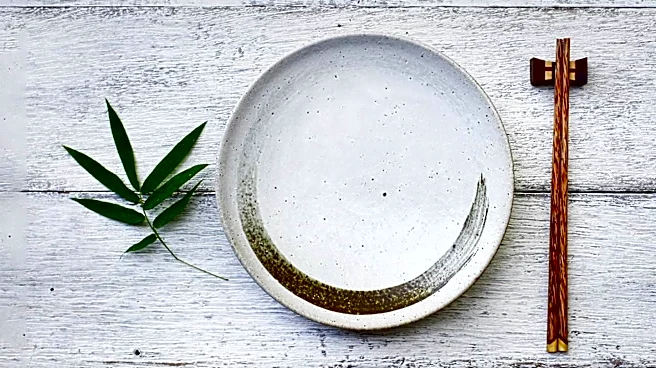
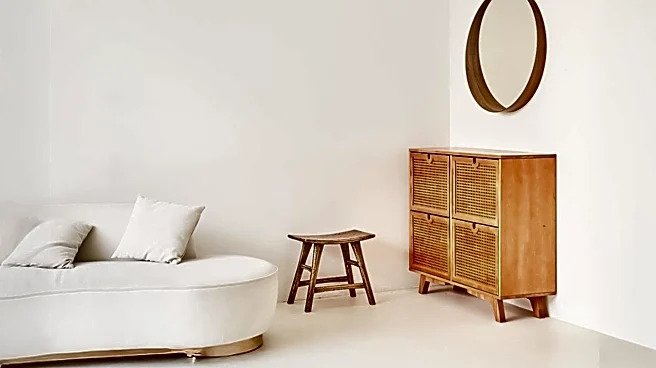
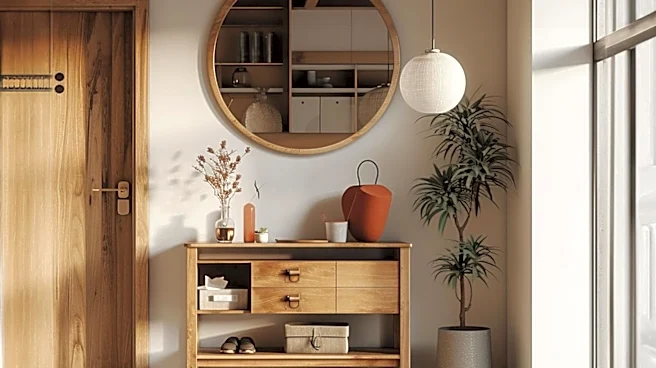
Japandi style is gaining prominence in interior design, characterized by its blend of Japanese rustic minimalism and Scandinavian functionality. This aesthetic emphasizes simplicity, nature, and craftsmanship, utilizing natural materials such as wood,
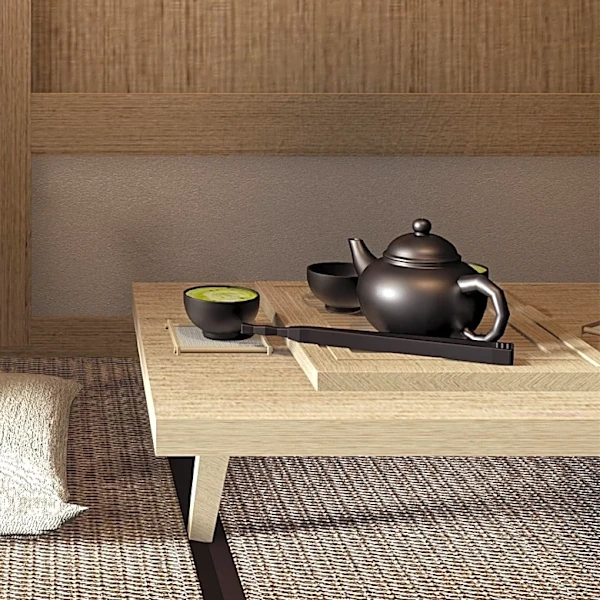
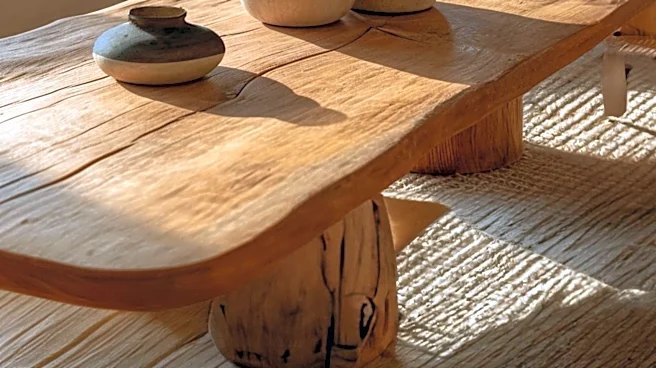
bamboo, and linen. The style integrates both Japanese and Scandinavian color palettes, resulting in a warm, earthy, and calming atmosphere. It is particularly well-suited for modern, smaller homes, promoting decluttering and functional design. Unlike Scandinavian design's focus on maximizing light with cool tones, Japandi incorporates the Japanese appreciation for shadow and raw textures, creating a diffused, gentle glow. Furniture in Japandi style often sits lower to the ground, reflecting Japanese proportional harmony, while still incorporating the ergonomic comfort principles of Scandinavian design. This fusion aims to create spaces that are both aesthetically pleasing and highly practical.
Why It's Important?
The rise of Japandi style signifies a broader shift in U.S. interior design preferences towards more mindful and sustainable living. As urban living spaces become smaller, the demand for functional yet aesthetically pleasing design solutions increases. Japandi's emphasis on decluttering and multi-functional furniture directly addresses these needs, offering homeowners and renters practical strategies for optimizing compact environments. The style's use of natural materials also aligns with growing consumer interest in eco-friendly and sustainable products, potentially influencing manufacturing and retail trends in the furniture and home decor industries. Furthermore, the blend of two distinct cultural aesthetics—Japanese and Scandinavian—reflects a globalized design sensibility, encouraging cross-cultural inspiration and innovation within the U.S. design market. This trend could lead to new product lines, design services, and a re-evaluation of traditional interior design approaches.
What's Next?
The increasing popularity of Japandi style is likely to drive further innovation in furniture design and home decor. Manufacturers may introduce more products that embody this aesthetic, focusing on clean lines, natural materials, and dual functionality. Interior designers and home staging professionals are expected to incorporate Japandi principles into their projects, particularly for clients seeking serene and uncluttered living spaces. Educational resources and workshops on Japandi design may also become more prevalent, catering to DIY enthusiasts and those looking to transform their homes on a budget. Retailers might curate specific collections to meet the demand for Japandi-inspired items, ranging from furniture overlays for existing pieces to complete room sets. The style's adaptability to various room types, from bedrooms to living rooms, suggests its continued integration into mainstream interior design, potentially influencing future housing developments and architectural trends that prioritize minimalist and functional living.
Beyond the Headlines
Beyond its aesthetic appeal, Japandi style carries deeper implications for well-being and lifestyle. The emphasis on minimalism and decluttering can contribute to reduced stress and improved mental clarity, aligning with broader societal trends towards mindfulness and intentional living. The integration of natural elements and muted color palettes fosters a sense of calm and connection to nature, which can be particularly beneficial in urban environments where access to green spaces is limited. Ethically, the focus on craftsmanship and durable, natural materials promotes a more sustainable consumption model, moving away from fast furniture and disposable decor. This shift could encourage consumers to invest in higher-quality, long-lasting pieces, thereby reducing waste and supporting artisans. Culturally, Japandi represents a harmonious blend of Eastern and Western design philosophies, fostering an appreciation for diverse aesthetic traditions and promoting a more inclusive approach to interior design that values both spiritual calm and practical comfort.