




What's Happening?
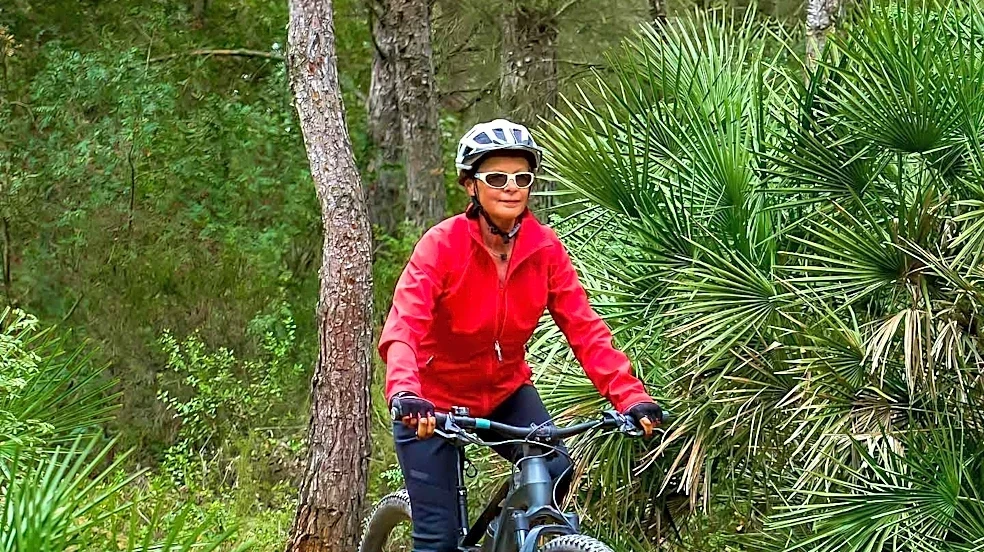
Maplelag has announced that its trails are now open for hiking, trail running, and mountain biking. Visitors can access these trails either by purchasing a day pass or through a membership. The recommended hiking loops include Sukkerbusk, JibFly, and Skaters
Waltz on the inner trails, as well as the Twin Lakes ski trail for the west side. Additionally, the bike course singletrack loops are also open for hiking, though hikers are advised to be aware of potential mountain bikers on these paths. The facility emphasizes that a Minnesota State trail pass is not required to use the trails at Maplelag, as the trails are self-funded through operations and do not receive grants or state funding. The announcement encourages support for the trails through membership purchases.
Why It's Important?
This opening provides a significant recreational opportunity for outdoor enthusiasts in the U.S., particularly those in the region served by Maplelag. It supports physical activity and engagement with nature, which are important for public health and well-being. The availability of both day passes and memberships offers flexible access, catering to both casual visitors and regular users. By operating independently of state funding, Maplelag demonstrates a self-sustaining model for private recreational facilities, which could serve as an example for other similar ventures. The inclusion of mountain biking alongside hiking also broadens the appeal of the trails, attracting a diverse group of outdoor sports participants. This initiative contributes to local tourism and recreation economies, providing a destination for active leisure and potentially boosting local businesses through visitor spending on gear, food, and accommodation.
What's Next?
Maplelag will likely continue to monitor trail conditions and user feedback to ensure a positive experience for all visitors. They may also promote their membership options more actively to secure ongoing funding for trail maintenance and development. Given the dual use of some trails by hikers and mountain bikers, there might be future considerations for trail etiquette guidelines or designated times for different activities to enhance safety and enjoyment. The success of this self-funded model could encourage other private landowners or organizations to open their properties for public recreation, potentially expanding the network of accessible trails across the U.S. The facility may also explore partnerships with local sports clubs or community groups to host events, further increasing engagement and utilization of the trails.
Beyond the Headlines
The operation of Maplelag's trails highlights a growing trend in the U.S. where private entities play a crucial role in providing public access to outdoor recreation, often filling gaps left by public land management. This model fosters a sense of community ownership and direct support, as users contribute directly to the upkeep of the trails through passes and memberships. It also underscores the increasing demand for diverse outdoor activities, from leisurely hikes to more intense mountain biking. The emphasis on self-funding reflects a broader conversation about the sustainability of recreational infrastructure and the potential for innovative funding mechanisms beyond traditional government grants. This approach could lead to more localized and responsive trail management, tailored to the specific needs and preferences of the user base, while also promoting environmental stewardship through direct user engagement.