
What's Happening?
Gardeners are being advised to postpone extensive fall cleanup activities, such as cutting back perennials, removing seed heads, and raking all fallen leaves, until spring. This recommendation stems from
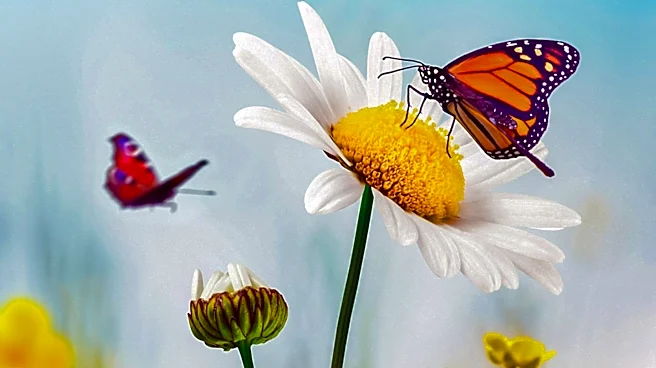
the understanding that leaving healthy plant material in place over winter provides crucial habitat and food sources for beneficial wildlife, including birds, bees, butterflies, and other insects. Penn State and Illinois Extension highlight that hollow stems offer nesting sites for native bees, while standing seed heads provide winter food for birds. Fallen leaves act as insulation for soil and overwintering insects, and contribute organic matter as they decompose. The guidance suggests that a less aggressive approach to fall tidying can reduce gardener workload and improve garden ecology, with exceptions for diseased plants, safety hazards, and tender bulbs requiring winter storage.
Why It's Important?
This shift in gardening practices has significant implications for U.S. ecosystems and homeowner routines. By advocating for delayed cleanup, experts are promoting biodiversity and supporting pollinator populations, which are vital for agriculture and natural environments. The traditional impulse to create a 'spotless' garden in fall often inadvertently removes critical winter shelters and food for wildlife, contributing to their decline. This advice encourages a more ecological approach to gardening, aligning with broader conservation efforts. For homeowners, it means less strenuous fall labor and a more resilient garden ecosystem. It also challenges aesthetic norms, suggesting that a slightly 'messy' garden in winter is not a sign of neglect but rather a deliberate act of environmental stewardship. This change in perspective can lead to more sustainable landscaping practices across the country.
What's Next?
Gardeners are encouraged to adopt a 'selective procrastination' approach, focusing on removing diseased plant material, addressing safety concerns, and preparing tender plants for winter, while leaving healthy stems, seed heads, and leaves undisturbed. This practice will continue through the winter months, with the bulk of cleanup shifting to early spring when new growth begins. Educational initiatives from horticultural organizations and gardening publications will likely continue to promote these eco-friendly practices, providing specific guidance on which plants benefit most from delayed cutting and how to manage leaf litter effectively. Over time, this could lead to a visible change in the appearance of residential and public gardens during the fall and winter, with more naturalistic landscapes becoming common.
Beyond the Headlines
The recommendation to delay fall garden cleanup reflects a deeper philosophical shift in how humans interact with nature, moving from a desire for control and tidiness to one of coexistence and ecological support. This approach acknowledges the interconnectedness of garden ecosystems and the vital role that seemingly 'messy' elements play in supporting wildlife. It challenges the anthropocentric view of gardens as purely aesthetic spaces, re-framing them as micro-habitats that contribute to broader environmental health. This change in mindset could foster a greater appreciation for natural processes and a more patient, observant approach to gardening. It also highlights the importance of scientific research in informing everyday practices, as ecological studies reveal the hidden life supported by winter garden debris, ultimately enriching both human and natural communities.