





What's Happening?
Tata Sons, the holding company of the Tata Group, has outlined its strategic focus on artificial intelligence (AI), semiconductors, aviation, and advanced manufacturing in its FY26 Annual Report. Chairman N. Chandrasekaran emphasized the company's commitment
to long-term sustainable growth and innovation, despite global economic uncertainties. The report highlighted strong financial performance across its businesses, with significant revenue and profit growth. Notably, Tata Electronics emerged as one of the fastest-growing segments, achieving substantial revenue and becoming the fourth-largest Tata Group company by revenue. The company is also constructing India's first high-volume semiconductor fabrication plant in Gujarat. However, challenges remain, such as the cyberattack on Jaguar Land Rover, which caused a production pause, and Tata Digital's continued losses. Air India's transformation is also a key focus, with improvements in customer satisfaction and operational performance.
Why It's Important?
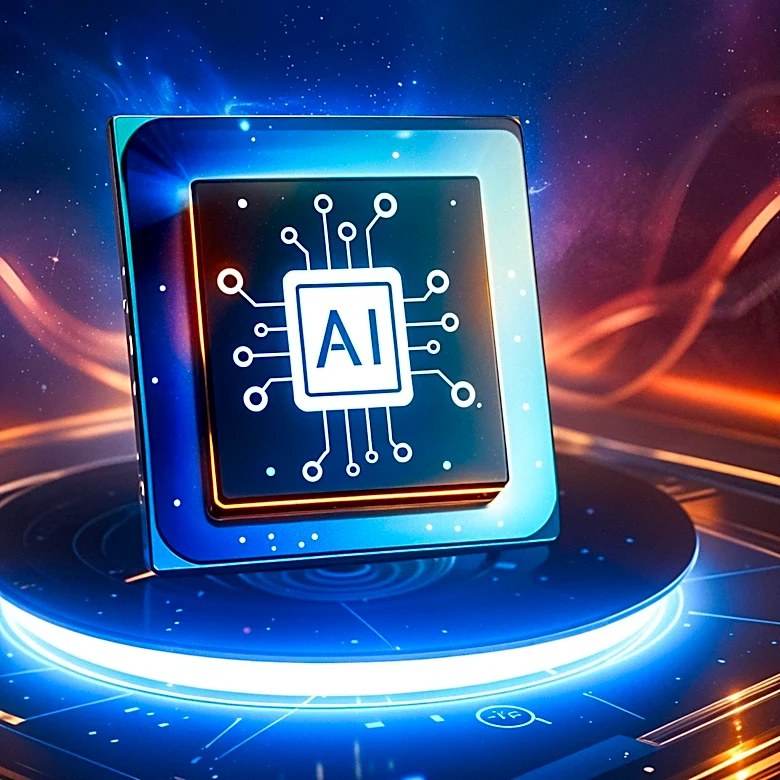
The strategic focus on AI, semiconductors, and aviation positions Tata Sons to play a pivotal role in India's technological and industrial growth. The investments in semiconductor manufacturing are particularly significant as they aim to enhance India's technological self-reliance, a critical factor in the global tech landscape. The emphasis on AI reflects the company's recognition of its transformative potential across industries. Despite challenges, Tata Sons' robust financial performance and strategic investments indicate its resilience and adaptability in a rapidly changing economic environment. The transformation of Air India and the focus on advanced manufacturing further underscore Tata's commitment to strengthening its market position and contributing to national development.
What's Next?
Tata Sons plans to continue its investments in AI, semiconductors, and aviation, with a focus on integrating AI into legacy systems and expanding semiconductor capabilities. The company aims to reposition Tata Digital around financial services and loyalty programs while expanding its payments, lending, and insurance businesses. Air India's transformation will involve fleet renewal, service upgrades, and operational changes over the next five to ten years. The company will also address challenges such as geopolitical uncertainty, cybersecurity threats, and supply chain risks through disciplined execution and strategic investments.
Beyond the Headlines
The developments at Tata Sons highlight broader trends in the global business landscape, such as the increasing importance of technological self-reliance and the integration of AI across industries. The company's focus on sustainability and innovation reflects a shift towards long-term strategic planning in response to global economic and technological challenges. The emphasis on cybersecurity and supply chain management underscores the growing complexity of operating in a globalized economy. Tata's efforts to transform Air India also illustrate the challenges and opportunities in the aviation sector, particularly in emerging markets.