




What's Happening?
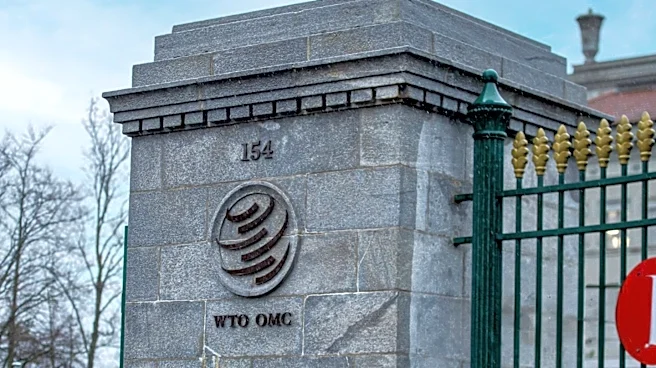
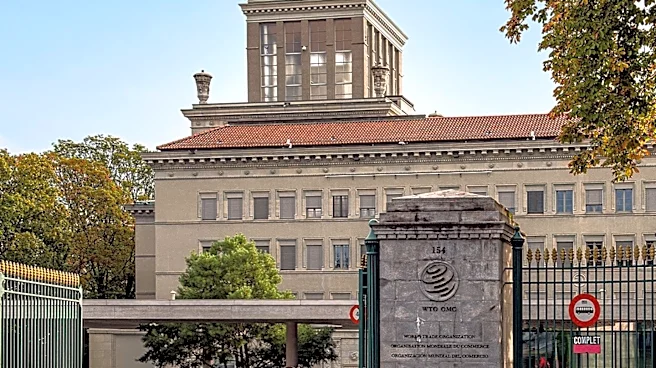
The World Trade Organization (WTO) is experiencing a significant decline in its influence and effectiveness, with its 'best days' now considered to be in the past. The multilateral trading system, which once fostered unprecedented global economic integration,
is being dismantled by nations that originally designed it, including the United States and the European Union. The U.S. has adopted aggressive unilateralism, viewing the WTO as a constraint and prioritizing 'America first' objectives. This is exemplified by the use of Section 301 tariffs and the expansion of national security exceptions to justify trade restrictions on a wide range of imports, from steel to AI chips. The European Union, while outwardly supporting the WTO, is also contributing to its weakening by creating parallel standards and engaging in 'soft dismantling' through measures like the Carbon Border Adjustment Mechanism and anti-subsidy investigations that bypass WTO rulings. This shift is leading to a fragmented global trade landscape defined by geopolitical blocs and competing regulatory spheres, where security and political alignment are valued over efficiency.
Why It's Important?
The diminishing role of the WTO and the rise of trade unilateralism have profound implications for global commerce and the U.S. economy. A fragmented trade landscape, characterized by competing rules and standards, increases uncertainty and complexity for businesses engaged in international trade. This can lead to higher costs, reduced efficiency, and disruptions in global supply chains. For the U.S., while unilateral actions may offer short-term strategic advantages, they risk alienating allies and undermining the very system that has historically supported American economic interests. The shift from efficiency-driven hyper-globalization to a security-first logic means that economic decisions are increasingly influenced by geopolitical considerations, potentially leading to less optimal economic outcomes. The decline of the WTO's dispute settlement system, once a cornerstone of multilateralism, removes a crucial mechanism for resolving trade disputes impartially, increasing the likelihood of trade conflicts and retaliatory measures. This environment could disadvantage smaller economies that rely on WTO rules for fair trade, while larger powers may increasingly operate outside established norms.
What's Next?
The future of global trade is expected to be characterized by continued fragmentation and a patchwork of competing rules and alliances. The WTO is unlikely to regain its former centrality, instead evolving into a platform for plurilateral deals and a custodian of baseline commitments rather than a forum for universal rulemaking. New frontiers in trade, such as digital trade and green industrial policy, will likely be carved out within regional blocs and through unilateral regulations, further sidelining the WTO. Nations will increasingly prioritize resilience and strategic alignment in their trade relationships, potentially leading to a restructuring of supply chains and a greater emphasis on trusted partners. The U.S. and EU's continued pursuit of their respective trade agendas, whether through aggressive unilateralism or 'soft dismantling,' will further shape this evolving landscape. Businesses will need to adapt to a more complex and less predictable international trade environment, potentially requiring diversification of sourcing and market strategies.
Beyond the Headlines
The erosion of the WTO's authority reflects a broader geopolitical shift where economic power is increasingly intertwined with national security and strategic competition. This trend challenges the foundational principles of free trade and open markets that have driven global prosperity for decades. The weaponization of trade policy, as seen in the U.S.'s use of national security exceptions, blurs the lines between economic and security interests, potentially leading to a more confrontational international environment. The long-term implications include a potential decline in global economic growth due to increased trade barriers and inefficiencies. Moreover, the weakening of multilateral institutions could undermine efforts to address global challenges that require collective action, such as climate change and pandemics, as nations prioritize their own interests over international cooperation. The ethical dimension of powerful nations dismantling a system they helped create, particularly when it disproportionately affects smaller economies, raises questions about fairness and equity in the global trading system.