






What's Happening?
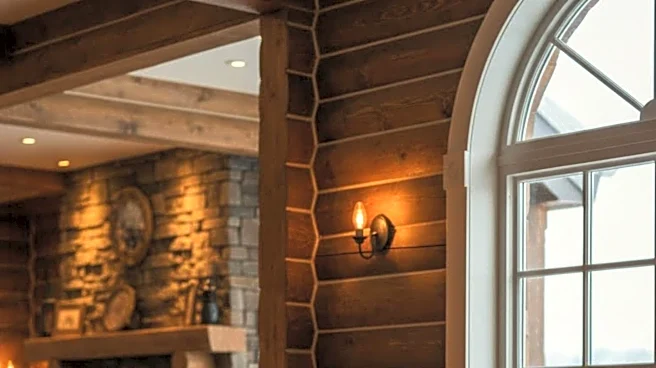
Vermont's Mad River Lodges are promoting a 'hygge' lifestyle experience for winter getaways, focusing on creating spaces and moments of warmth, safety, and contentment, particularly during colder months. This approach encourages guests to disconnect from
digital devices and engage in hands-on hobbies such as journaling, knitting, sketching, or reading physical books. The lodges, including Mad River Lodge, Warren Lodge, White Horse Lodge, and Tucker Hill Lodge, aim to provide a comfortable return after outdoor activities like skiing, snowshoeing, or exploring local towns. They offer modern amenities and contactless check-in, emphasizing simple comfort over performance. The surrounding Mad River Valley also contributes to this hygge atmosphere with its slower pace, local shops, restaurants serving comfort food, and quiet winter activities in the Green Mountain National Forest.
Why It's Important?
This trend highlights a growing consumer desire for experiences that prioritize well-being, digital detox, and authentic connection, moving away from fast-paced, technology-driven lifestyles. For the U.S. tourism and hospitality industry, particularly in regions known for winter sports and natural beauty, adopting such themed offerings can attract a niche market seeking restorative and mindful vacations. Businesses that cater to this demand, like the Mad River Lodges, stand to gain by differentiating themselves in a competitive market. It also underscores a broader societal shift towards valuing mental health and intentional living, influencing consumer spending on products and services that support these values. Local economies in areas like the Mad River Valley benefit from increased tourism that supports small businesses and promotes regional charm.
What's Next?
The success of hygge-themed getaways in Vermont could inspire other U.S. hospitality providers in similar natural settings to adopt comparable strategies, potentially leading to a wider trend of 'wellness tourism' focused on unplugging and cozy comfort. Expect to see more marketing efforts centered around mindfulness, nature immersion, and digital detoxification in travel packages. Local businesses in tourist destinations may also adapt their offerings to align with this demand, emphasizing artisanal products, comfort food, and serene experiences. This could further solidify the U.S. as a destination for those seeking respite from urban pressures and a return to simpler pleasures, especially during seasonal transitions.
Beyond the Headlines
The embrace of the hygge lifestyle in U.S. tourism reflects a deeper cultural yearning for authenticity and a counter-narrative to the pervasive digital age. It touches upon ethical considerations regarding screen time and its impact on mental health, promoting a more balanced approach to daily life. Legally, there are no direct implications, but the emphasis on local businesses and sustainable practices could align with broader environmental and community-focused initiatives. Culturally, it signifies a re-evaluation of leisure, moving from passive consumption to active engagement with one's surroundings and inner self. This shift could foster a greater appreciation for traditional crafts, local economies, and the restorative power of nature, potentially influencing urban planning and community development to incorporate more 'cozy' and 'unplugged' spaces.